
The Hawaiian Islands were first populated by Polynesians around 500 CE. These intrepid seafarers established a sophisticated culture with distinct traditions, spiritual practices, and a deep connection to the land and sea that remained. The Hawaiian people developed a unique feudal system with powerful ali’i (chiefs) who ruled their respective islands and districts.
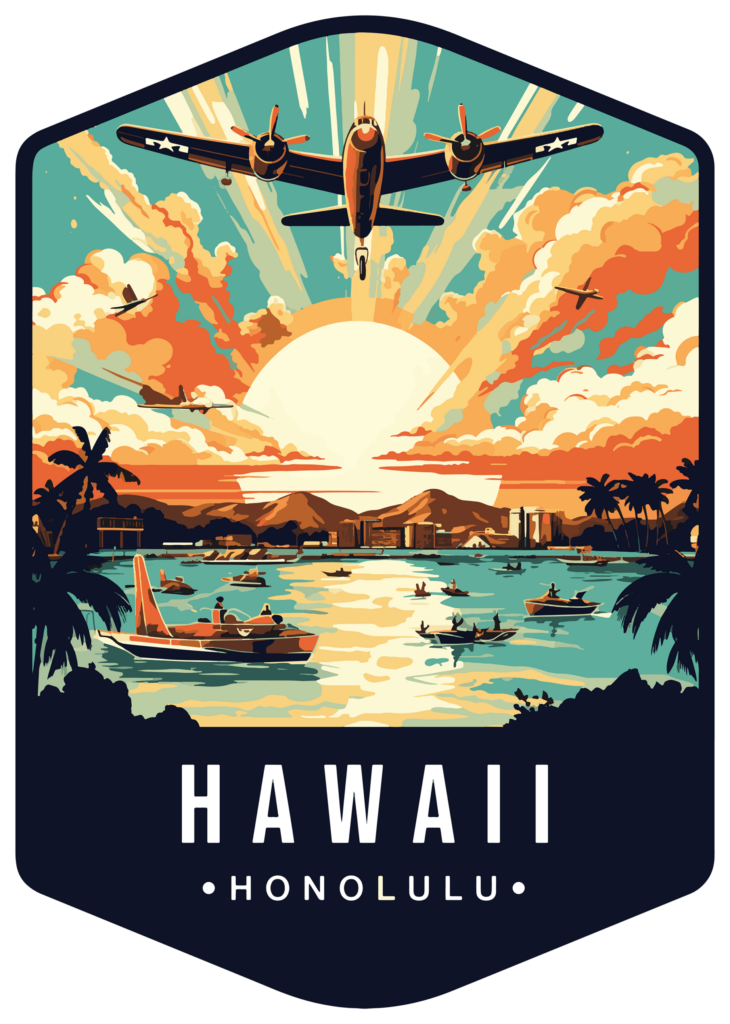
When European contact began in 1778 with Captain James Cook’s arrival, the islands were divided among several independent kingdoms. Cook initially treated the islands as a curiosity and a place to resupply his expedition, but his arrival marked the beginning of profound changes for the Hawaiian people. The introduction of foreign diseases, weapons, and trade goods would alter the islands forever.
King Kamehameha I unified the Hawaiian Islands between 1795 and 1810, creating the Kingdom of Hawai’i. He leveraged foreign weapons and alliances to bring all the islands under his rule, ending centuries of inter-island warfare. His descendants continued to rule the kingdom for more than a century, establishing formal diplomatic relations and maintaining Hawaiian sovereignty even as Western influence grew stronger.
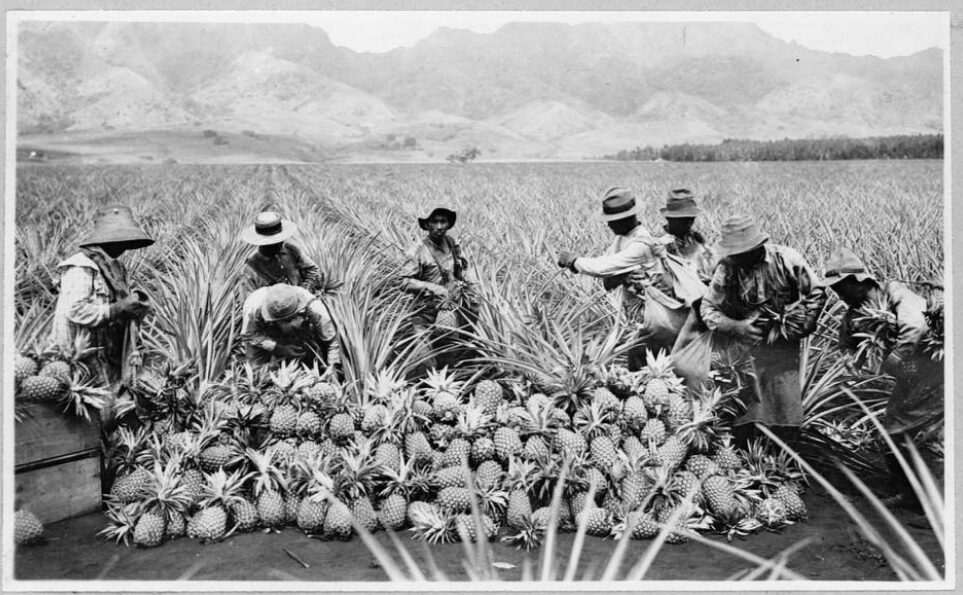
The 19th century brought missionaries, traders, and planters who sought to convert Hawaiians to Christianity and exploit the islands’ resources. Sugar plantations became the economic foundation of Hawai’i, requiring enormous labor forces. When the Hawaiian labor supply proved insufficient, planters brought in workers from Asia, particularly China, Japan, and the Philippines, creating a diverse multicultural society.
The monarchy faced increasing pressure from the American government and in 1893, a group of American businessmen and military officials orchestrated the overthrow of Queen Lili’uokalani, the last reigning monarch of Hawai’i. This coup was devastating to the Hawaiian people and marked the end of Hawaiian independence. The islands were annexed by the United States in 1898 and Hawaii became a U.S. territory.
The attack on Pearl Harbor on December 7, 1941, brought Hawai’i into World War II in a dramatic and tragic way. The surprise attack by Japanese forces killed over 1,200 people and propelled the United States into the war. This event forever transformed the strategic importance of Hawai’i and its relationship with the mainland.
Despite this complicated history, Hawai’i finally achieved statehood on August 21, 1959, becoming the 50th state.
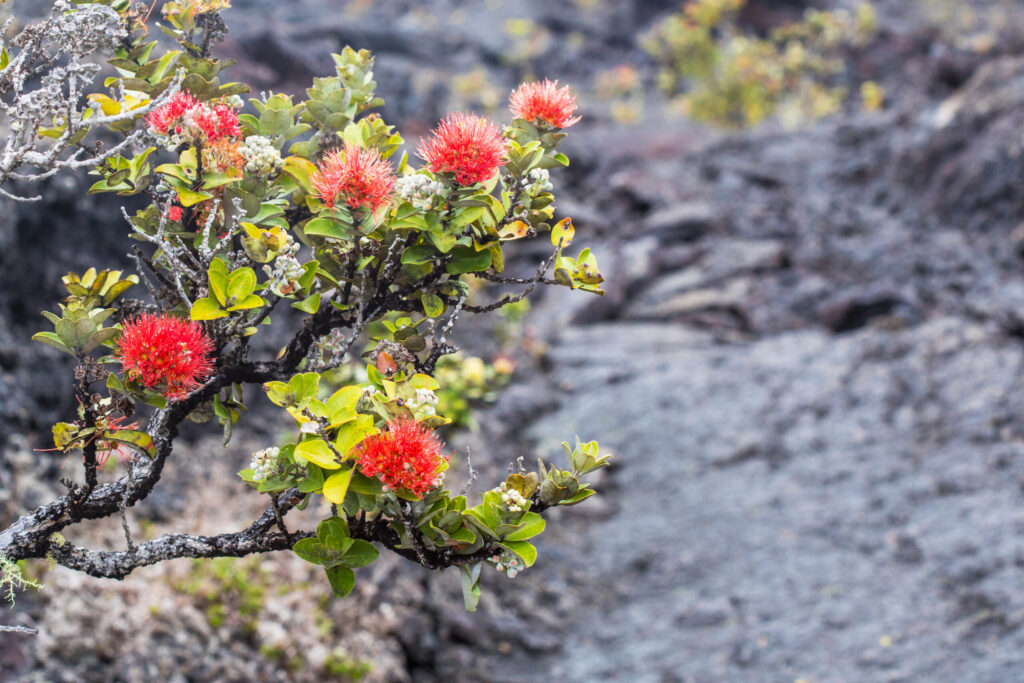
Hawai’i is still on my list to visit and there’s so very much I’d like to see. The Big Island of Hawai’i is home to Hawai’i Volcanoes National Park and I’ve always been fascinated by the idea of standing where new land is literally being created. The islands’ diverse ecosystems, from rainforests to volcanic deserts, all sound amazing to see. I want to see hula dancers and pick fresh pineapple, visit a coffee plantation and maybe even do a little snorkeling.
Quilt Block
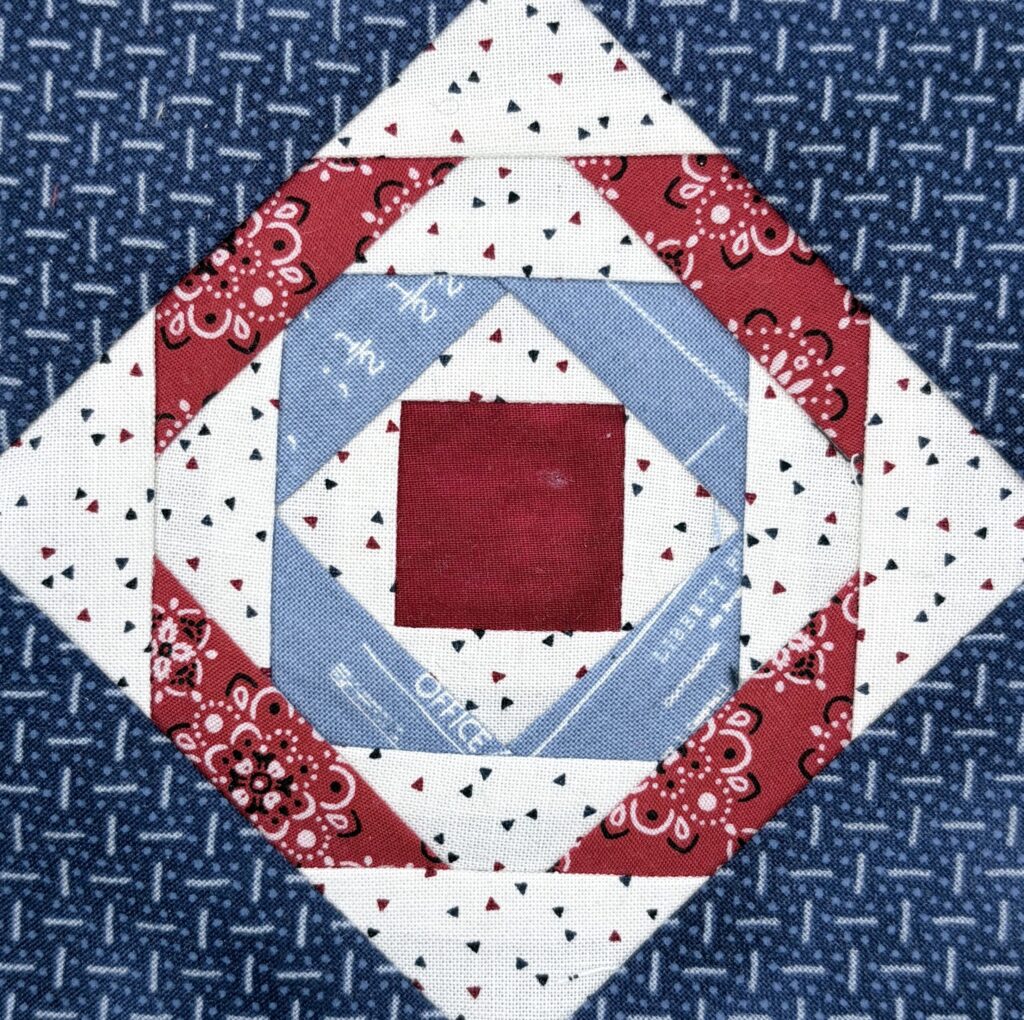
For Hawai’i I had two ideas: needleturn applique in an Hawai’ian quilt design or a Pineapple block. Either works for the state, but I chose the Pineapple block for it’s ease of construction. I used the Creative Grids Pineapple Trim Tool for my trial block and hoped that it would work well, but I found that If I wasn’t absolutely perfect, it got more and more wonky with each round.
We use foundation paper piecing for this 4 1/2″ square Pineapple block, making it easy to sew and get an amazingly accurate result. The small square in the center can be fussy-cut, if you have a special fabric that would work especially well.
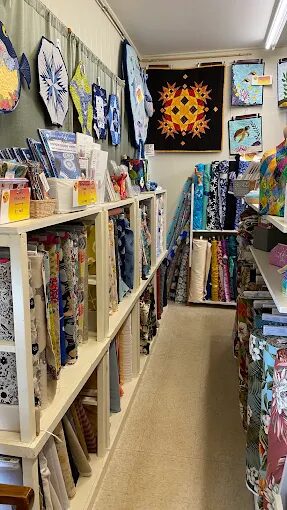
Quilt Shops
- The Maui Quilt Shop in Wailuku
- Vicky’s Fabrics in Kapaa
- Quilt Passions in Kailua Kona
- Sew Special Maui in Kahului
- Hawai’i Fabric Mart in several locations
If you’ve been to Hawai’i and some advice for me on where to go and what to see, leave a comment below!