
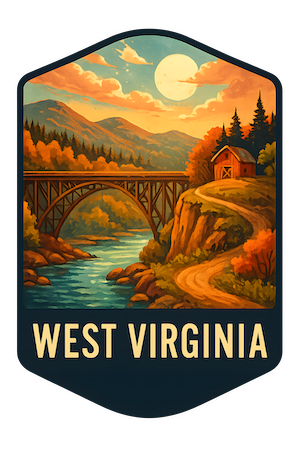
West Virginia was home to the Shawnee, Lenape (Delaware), and Mingo people long before European settlers arrived. Because the terrain was so rugged, few large permanent villages existed in what is now West Virginia. It was primarily hunting territory for tribes from Ohio, Pennsylvania, and the Carolinas.
By the 1700s, settlers were pushing westward out of Virginia and Pennsylvania, and the familiar pattern of displacement followed. Treaties were signed, broken, and rewritten. After the American Revolution and the conflicts after that, most Native communities were completely forced out of the region entirely.
European families carved farms in the river valleys. Many were Scots-Irish, German, and English settlers looking for cheap land. The mountains kept settlements scattered and independent of each other, something that would be important in the development of the area.
Throughout the 1700s and early 1800s, it was simply the western part of the Commonwealth of Virginia, but it never felt unified. Eastern Virginia was primarily large slaveholding plantations, while the west was made up of small farms and relatively few enslaved people. Western Virginians didn’t appreciate being overtaxed and underrepresented in the state government.
That resentment reached a breaking point when Virginia voted to secede from the Union in 1861. The western counties wanted no part of the secession. Delegates from the area met at the Wheeling Convention and declared the secession invalid. Instead they set out to form their own state loyal to the Union.
It was an unusual path to statehood, but in 1863, President Lincoln signed the bill and West Virginia became the 35th state. It’s the only state was was born by splitting from the Confederacy — the only one ever born by splitting off from a Confederate one.
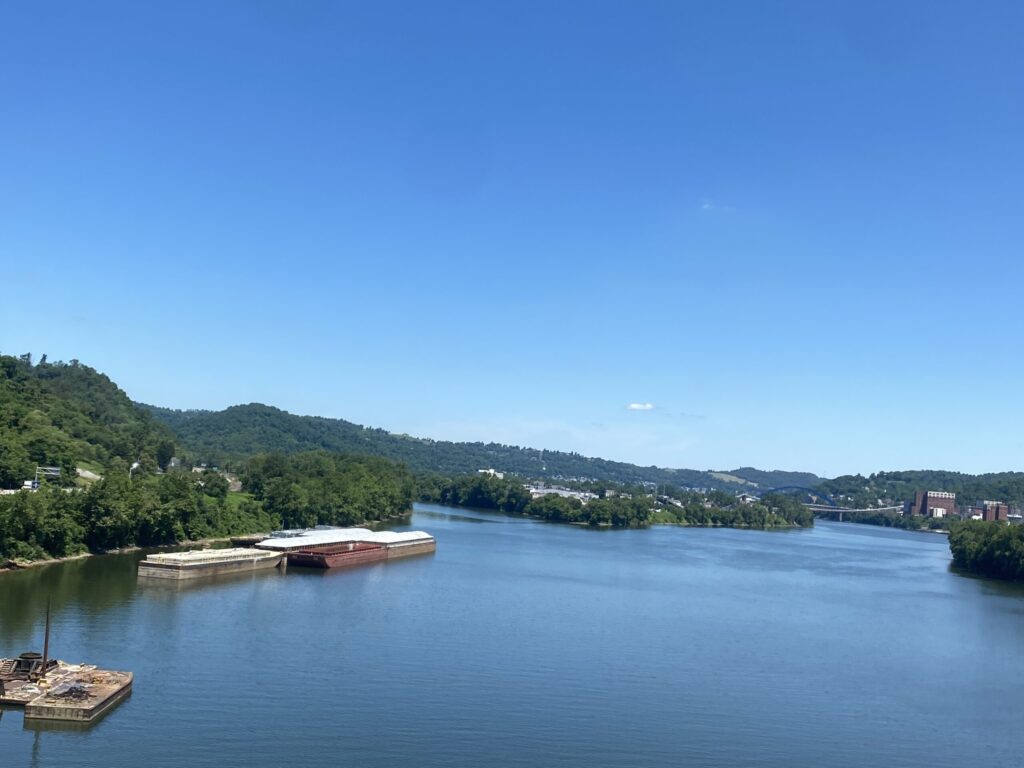
Though it is known as West Virginia now (and West ‘by God’ Virginia by some) it was almost named Kanawha, after the river that runs through the area and the native tribe. But folks wanted to keep a tie to their origin and settled on calling it West Virginia.
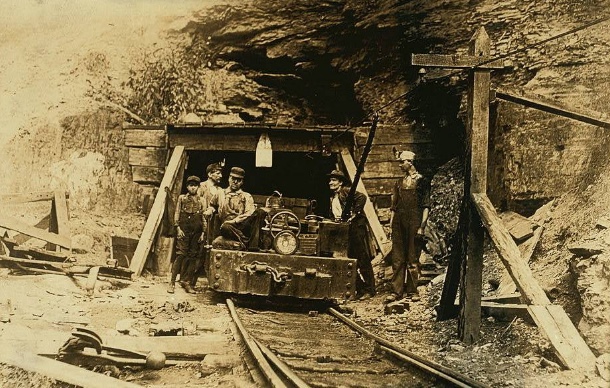
Sitting on some of the richest coal seams in the world, West Virginia saw its hollows and ridges become mining towns in the late 1800s. Immigrants poured in from Italy, Poland, Hungary, and beyond to work alongside Black miners who had come north from the Deep South. Company towns became common in the rural areas with the coal company in control of nearly everything. They owned the houses, the store, the school, and sometimes the church, making the works dependent on the company for more than just a wage.
Miners were often paid in “scrip,” company money that could only be spent at the company store. And the work was incredibly dangerous. The 1907 Monongah mine explosion killed at least 362 men and boys and remains the worst mining disaster in U.S. history. In 1921, unionization efforts resulted in the Battle of Blair Mountain where nearly 10,000 miners fought against law enforcement and company guards. Federal troops were called in, dropping bombs on American citizens to quell the labor uprising. The unionization efforts failed with the surrender, but it did pave the way for labor protections later enacted in the New Deal.
Coal is still mined in West Virginia, with tourism, outdoor sports, and small manufacturing all adding to the economy.
Harpers Ferry is the mid-point of the Appalachian Trail, but it’s also where abolitionist John Brown led the 1859 raid on the federal armory. The old town has been preserved as a National Historical Park, and its still on my list of places to visit.
Farther south is the New River Gorge National Park, name for the New River which is actually one of the oldest rivers in the world (estimated to have been flowing for more than 260 million years!). The New River Gorge Bridge spans the canyon and is one of the longest single-arch bridges in the world.
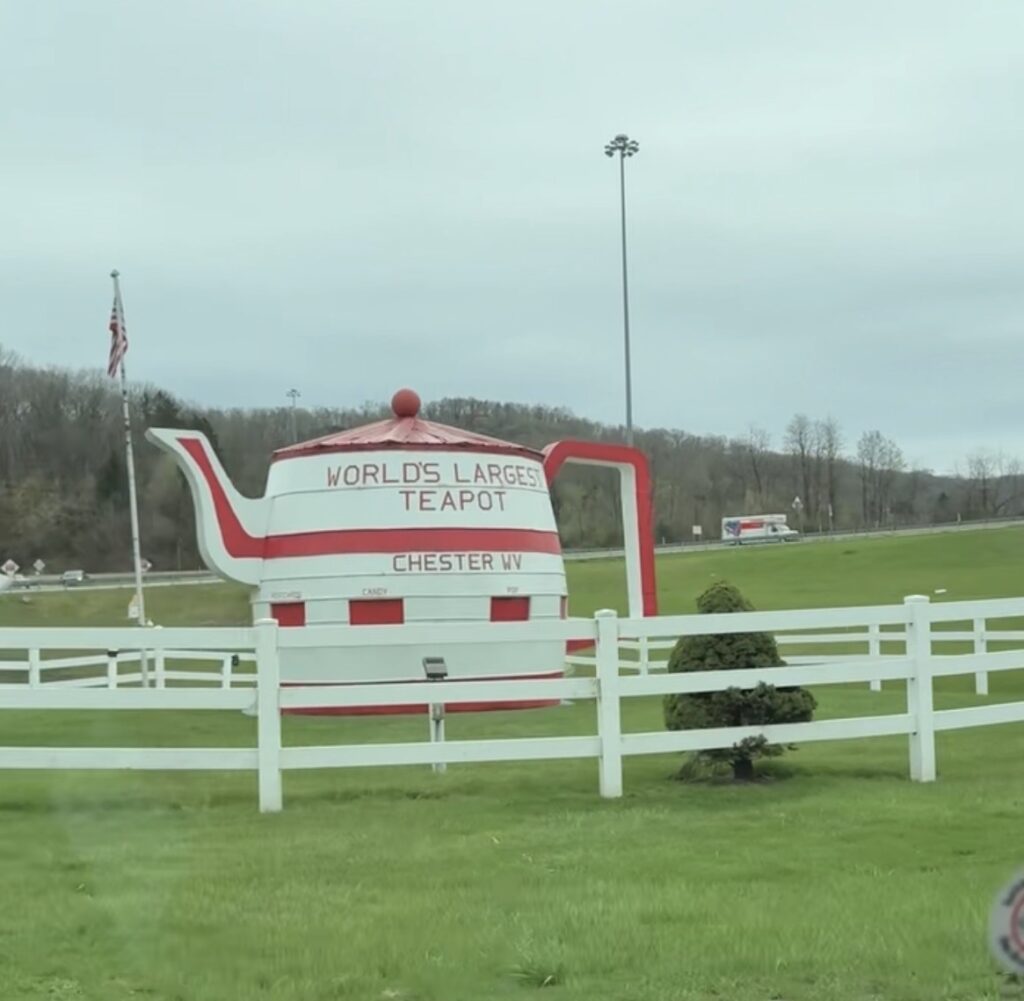
West Virginia is full of surprises (home of the pizza roll! entirely in the mountains! the Mothman was seen here! the largest teapot!), the strangest one for me is the Greenbrier Resort in White Sulphur Springs. It’s big, old hotel..that has a massive underground bunker in case of nuclear war. It was a secret hideaway, meant to house the entire U.S. Congress when it was build in the 1950s. In the late 90s, the secret was leaked and you can now take tours of the bunker. (Adding it to my list!)
Quilt Block
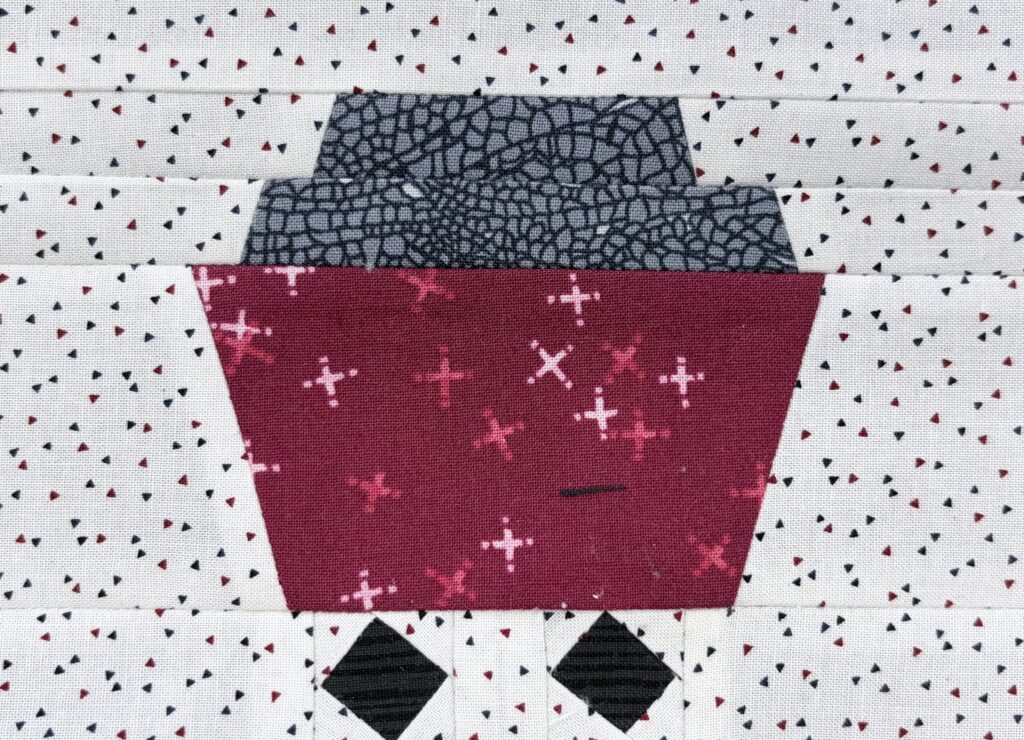
To represent the importance of coal miners in the history of the state, I designed the West Virginia block as a coal cart. It’s pieced in strips, trimmed, then sewn in sections, making it an easy block to make. I’ve added an optional FPP pattern to make the circular wheels, but that’s only if you really want to. No pressure! The square wheels are cute, too.
Quilt Shops
- Boxer Craft House in Shephardstown is stocked with modern textiles, patterns, and lots of Cuddle fabrics. The shop is bright, cheerful and has been voted the best shop in the state for three years!
- Schoolhouse Quilts in Elizabethtown has filled an old schoolhouse with quilting supplies.
- Living the Dream Quilt Shop in Bridgeport
If you’ve visited West Virginia or live there, I’d love to hear more about it!
P.S. I don’t sing much, but i’ll bust into Take Me Home, Country Roads by John Denver any chance I get.