Kansas was home to numerous Native American tribes who thrived on the Great Plains before European settlers arrived. The Kansa people lived along the Kansas River. The name “Kansas” comes from the Kansa word “kaw,” meaning “south wind people.”
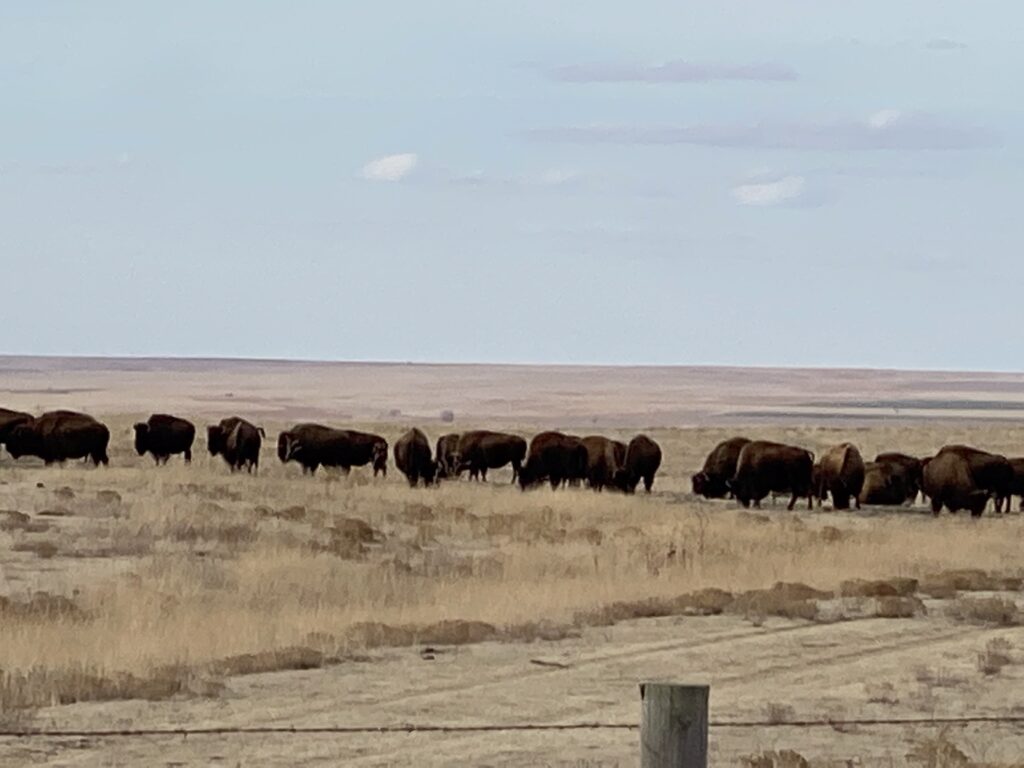
Other area tribes included the Osage, Pawnee, Comanche, and Kiowa, who used the area for hunting buffalo. The buffalo was central to their way of life, providing food, hides for shelter and clothing, and bone for tools.
The arrival of Spanish conquistadors in the 1500s brought much change to the natives and as Europeans moved west, tribes were forced to relocate repeatedly. By the 1800s, the Indian Removal Act and other policies pushed numerous Eastern tribes into Kansas, including the Delaware, Shawnee, and Cherokee nations, causing even more trauma.
Spanish explorers were the first to venture into Kansas; venturing across the plains in the 1540s in search of mythical cities of gold. French fur traders followed in the 1700s, setting up trading posts and developing the fur trade, bringing more settlers to the area.
In the early 1800s, Kansas was considered part of Indian Territory, and the government push Native American tribes from the East to relocate to the area. Soon after, Kansas was brought under U.S. control with the Louisiana Purchase and President Thomas Jefferson commissioned Lewis and Clark to explore the new territory.
When Kansas was organized as a territory in 1854 under the Kansas-Nebraska Act, the question of whether it would allow slavery became the most important issue. The act allowed settlers to decide for themselves, but consensus was hard to find. Pro-slavery and anti-slavery settlers rushed to Kansas to influence the outcome, and the territory became a battleground. Guerrilla warfare, raids, and murders marked this time, earning Kansas the nickname “The Battleground of the Nation.” Anti-slavery forces won and when Kansas entered the Union in 1861, it was as a free state.
Kansas population grew steadily with pioneers settling on the prairies to farm the land. But with few trees, they built sod houses for rudimentary shelter. It was so difficult that the government signed the Homestead Act of 1862. They offered 160 acres to anyone who would cultivate the land for five years. Thousands of pioneers took the opportunity for a fresh start, but they suffered intensely with brutal winters, drought-ridden summers and utter isolation on the prairie.
By the late 1800s railroad construction had changed the landscape and connected the area to towns further east. The flat ground and the access to the railroad helped develop Kansas into a center for cattle ranching with cattle drives heading north from Texas to trains in Abilene and Dodge City.
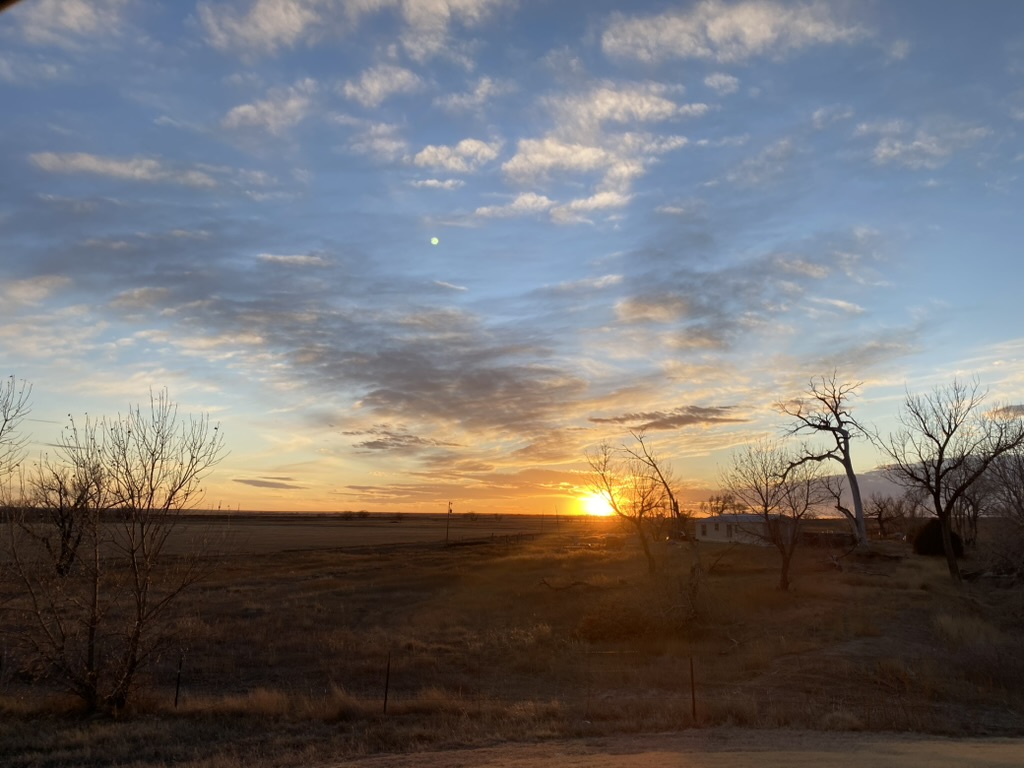
Kansas is known for its flat praire lands, but there’s nowhere that preserves the simple beauty more than the Tallgrass Prairie National Preserve in the Kansas Flint Hills. With 11,000 acres to explore, it’s like step back in time, showcasing the natural beauty of the state and giving just a taste of what it might have been like for the early settlers.
In eastern Kansas, you’ll find Dodge City, home to Boot Hill Museum and loads of gunfighter history. Wyatt Earp was a policeman there during the late 1800s and where he met Doc Holliday, the beginning of a lifetime friendship that would soon take them to Tombstone, Arizona and the infamous gunfight at the O.K. Corral.
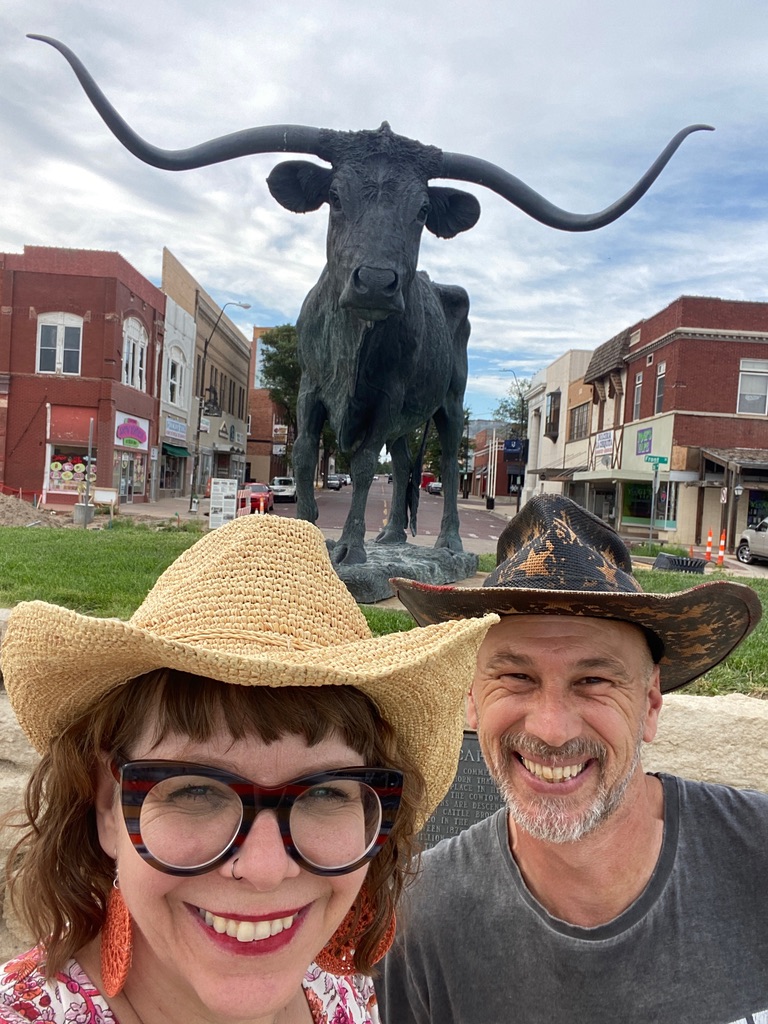
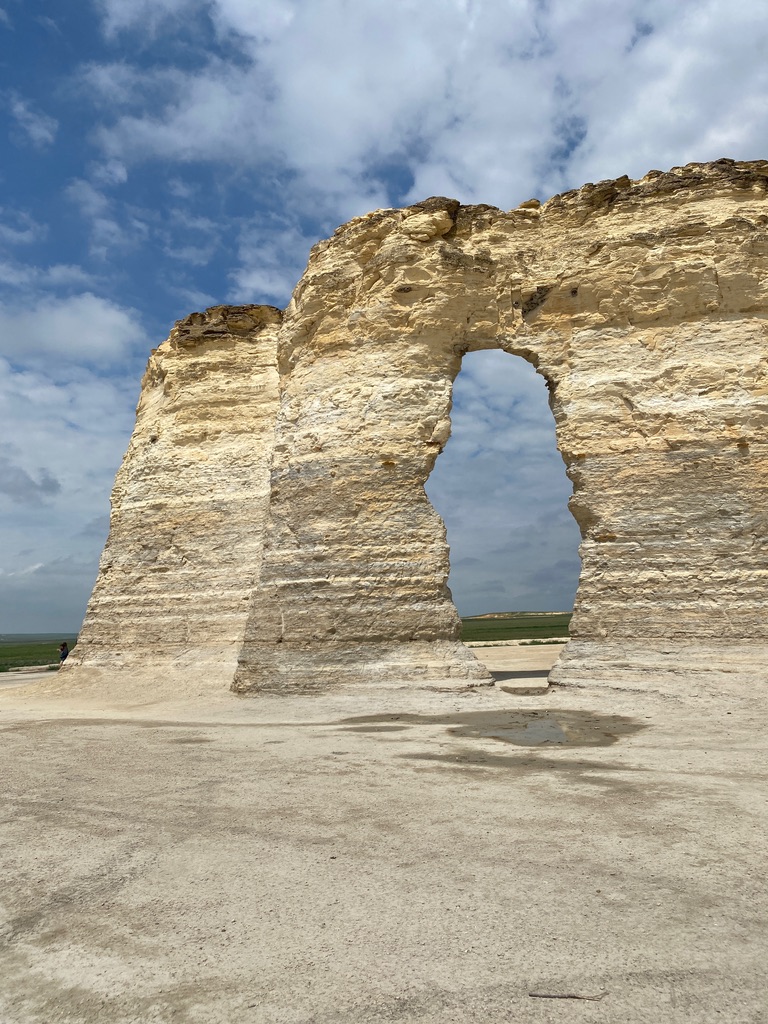
We stopped in Dodge City (particulary just to say we “got out of Dodge”), then made our way north to Monument Rocks, one of the stranger sites in Kansas. The area once was covered by the Western Interior Seaway (from the Gulf of Mexico and into Canada), but when the waters receded, it left these bizarre marine deposits. The formations are so out of place, it’s almost unbelievable at first glance.
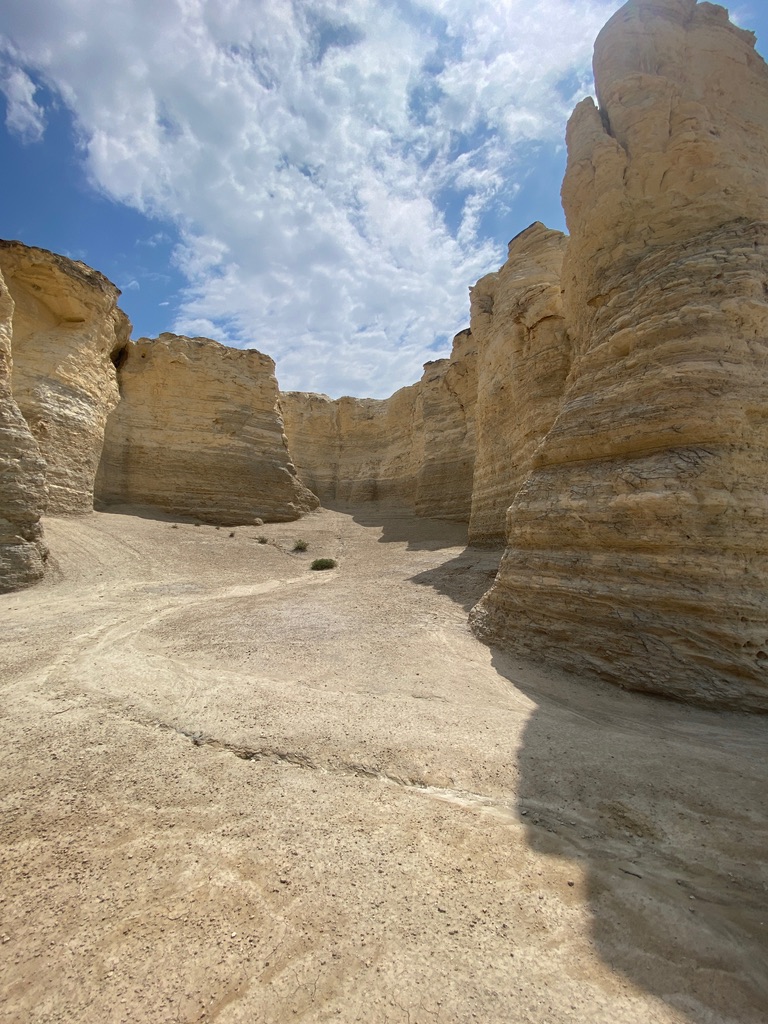
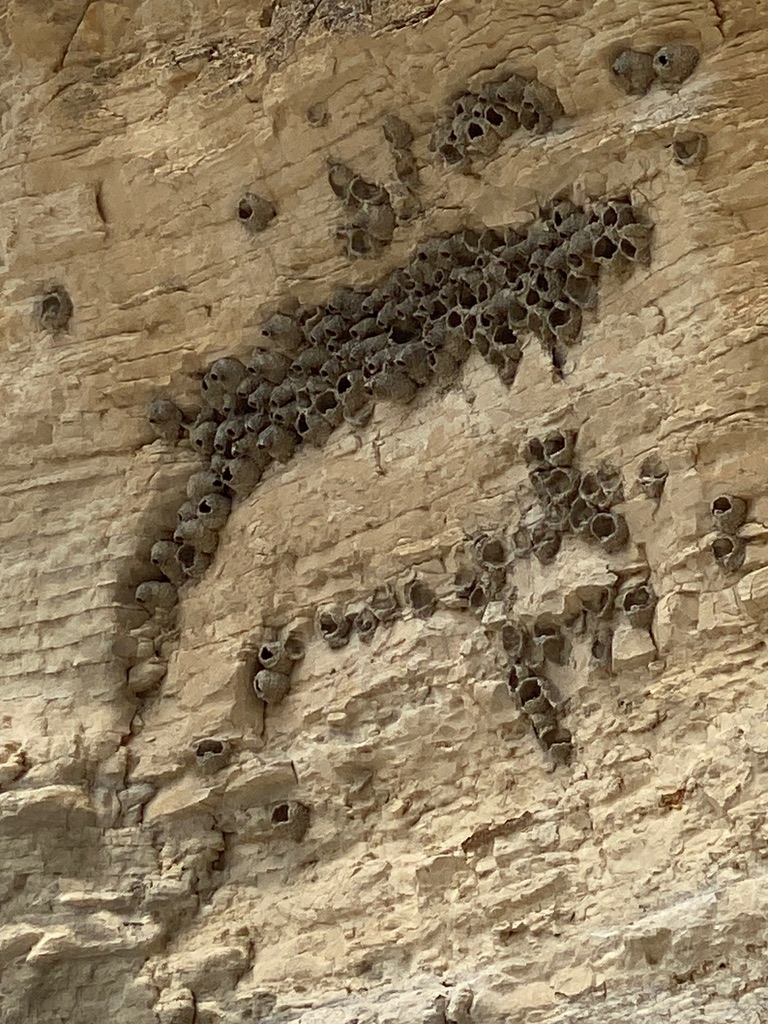
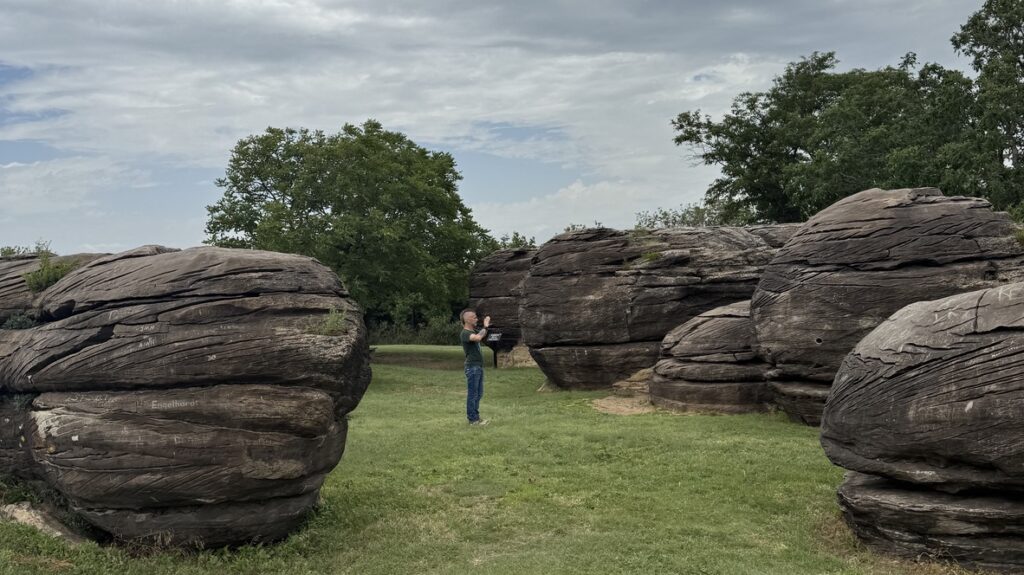
One of the other weird things we came upon was in Minneapolis–Rock City. The sandstone spheres were formed mainly from sand deposited along the edge of a sea that covered the western half of Kansas about 100 million years ago and are now left scattered on the prairie.
Quilt Block
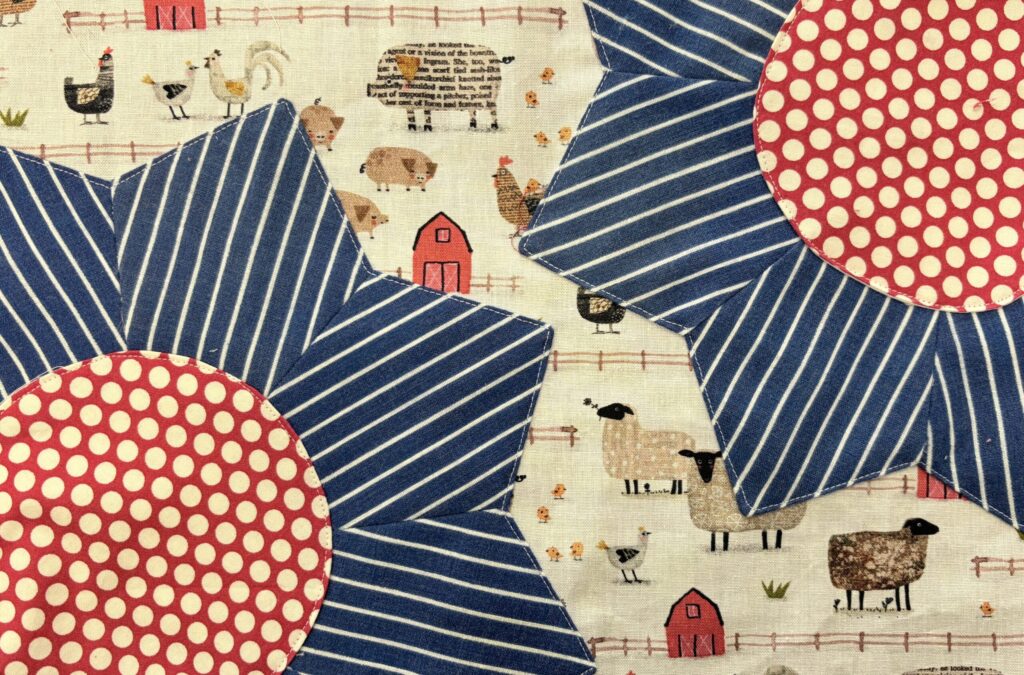
Kansas is known as the Sunflower State and I wanted to make something to recognize that with this quilt block. We use a dresden plate style technique to make the petals. Then add the petals and center to the background with an applique stitch.
In the video tutorial, I’ll showyou how to choose a stitch and which threads work well to hide applique stitches. You’ve got lots of flexibility with this block regarding placement. You can make just one flower or split it in two. You can add a little stuffing for a faux trapunto finish, too!
Quilt Shops
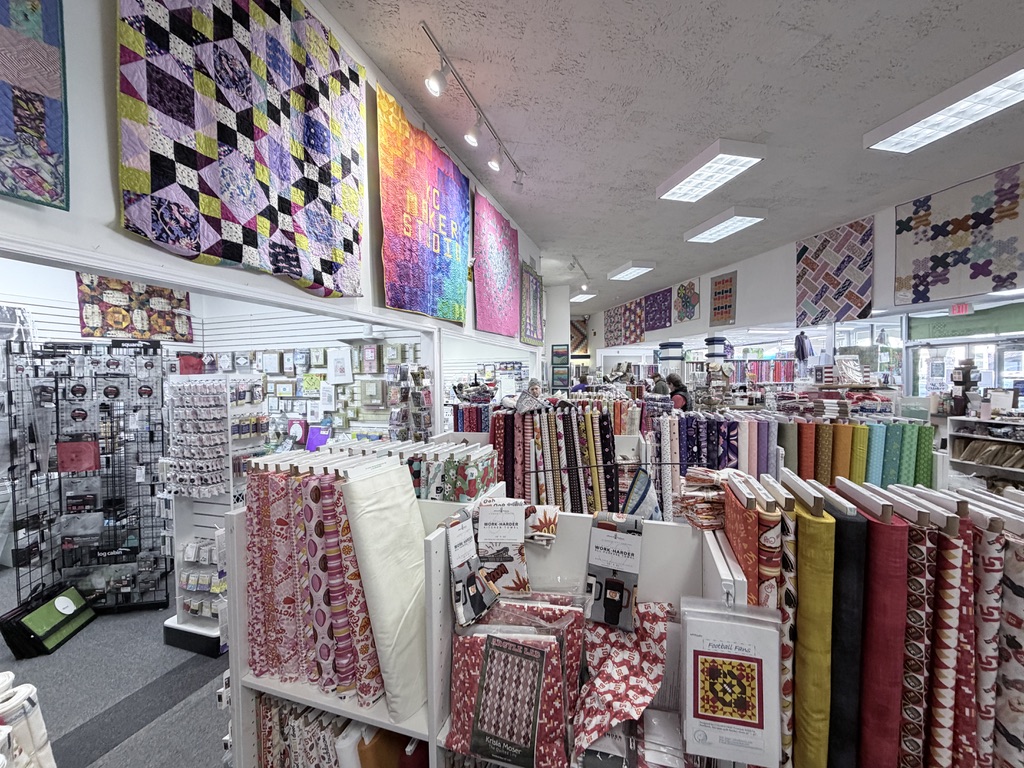
- KC Maker Studio & Fabrics in Mission has been a joy to watch. Patti has been adding classrooms, long-arm and domestic machines, notions, patterns, books, zippers and more fabric than you’d think could fit into the shop. I’ve been lucky enough to teach there many times (and I’ll be back in June!)
- Quilt Cabin in Colby carries a wonderful array of fabrics, notions, and patterns. They were one of the shops on our LQS tour and the only place I’ve seen a buffalo head on the wall.
- Beehive Quilt Shop in Wellington has such a varied selection and is a wonderful shop to just roam around, checking out samples and their immense selection of Kaffe Fasset fabrics.
- Sarah’s Fabrics in Lawrence is well-stocked with both quilting and apparel fabrics and pattern and in a beautiful old building in downtown Lawrence.
If you have visited or live in Kansas, let me know where you like to go. I’d love to hear about your experience there, too!