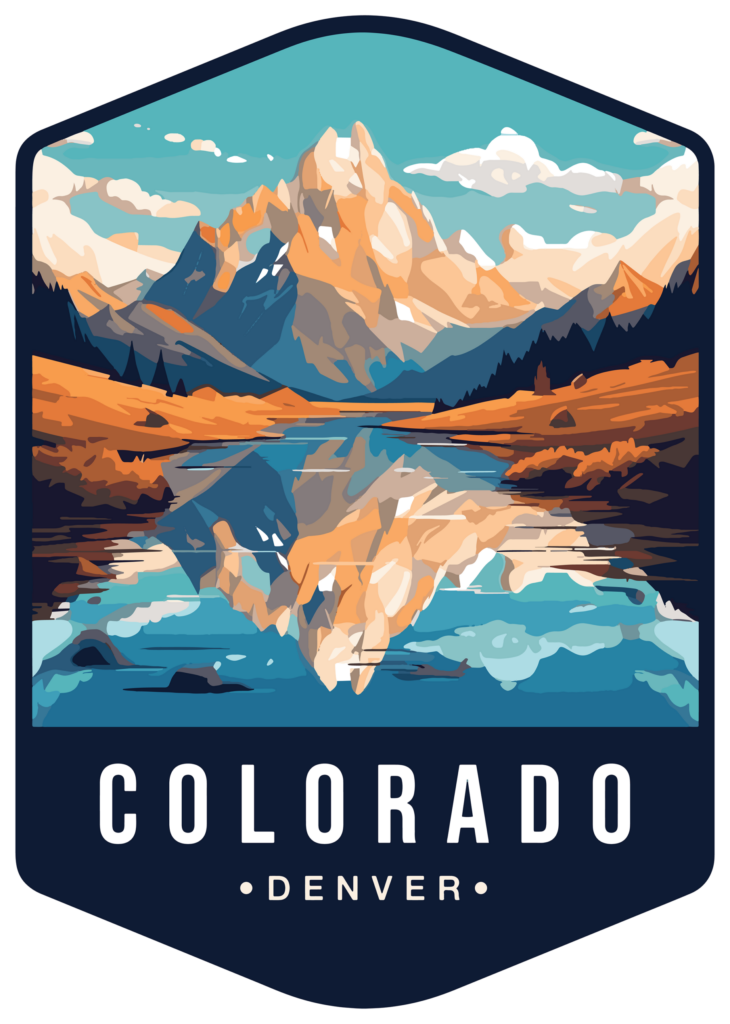
The Ute, Arapaho, Cheyenne, and Pueblo peoples once inhabited the region we now know as Colorado, building trade networks and hunting routes throughout the area. In the southwest, the Ancestral Puebloans built amazing stone communities tucked into the cliffs around 600 CE.
Spanish explorers were some of the first Europeans to pass through the area in the 1500s and 1600s, though they didn’t establish any major settlements. The region eventually became part of Mexico after it won independence from Spain in 1821. Not long after, the United States took control of much of the land through the Louisiana Purchase and later agreements following the Mexican-American War. At that point, Colorado wasn’t a destination yet—it was a pass-through on the way to California.
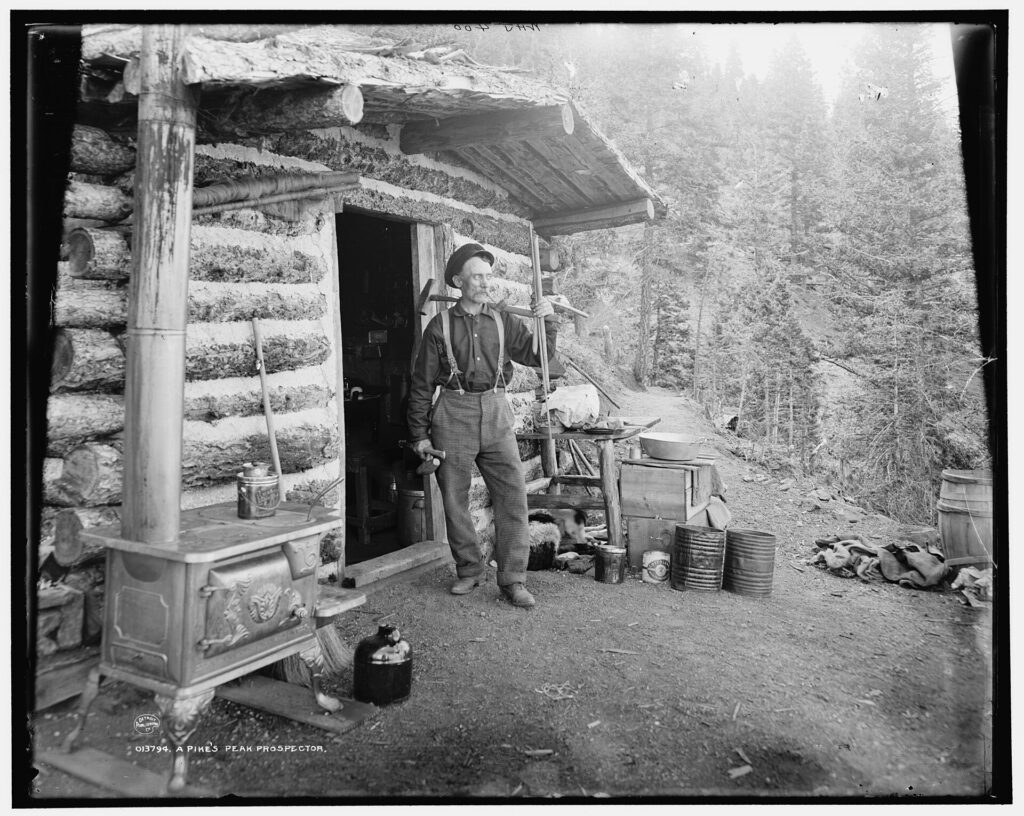
That changed in 1858 with the Pike’s Peak Gold Rush. The promise of gold brought tens of thousands of prospectors into the region almost overnight. Boomtowns sprang up, including what would become Denver. It wasn’t just about gold, but about starting a new life through opportunity, reinvention, and, often, survival. But like most gold rush stories, it also had conflict, displacement of Native communities, and a chaotic, lawless nature.
Colorado officially became a state in 1876, earning the nickname “The Centennial State” because it joined the Union 100 years after the United States declared independence. By then, it had developed enough population and economic stability to justify statehood. The railroads were a turning point, connecting Colorado’s resources to national markets and making it easier for people and goods to move in and out of the region.
Much of Colorado’s identity today still ties back to those early industries and landscapes. Mining towns like Leadville and Silverton still exist, though they’re now tourist attractions. Agriculture remains important on the plains and the mountains are crucial to Colorado’s reputation for outdoor recreation. The same geography that made it difficult to settle is now exactly what draws people in.
Colorado has also developed a reputation for independence and forward-thinking policies. It was one of the first states to grant women the right to vote in 1893, well before the 19th Amendment. More recently, it was among the first to legalize recreational marijuana in 2012, which had ripple effects across the country. That mix of frontier mindset and willingness to try something new feels pretty consistent with its history.
A few fun facts to round it out: Colorado is home to the highest incorporated city in the United States (Leadville), the highest paved road in North America (Mount Blue Sky Scenic Byway), and more than 50 peaks over 14,000 feet—known as “fourteeners.” It also contains the headwaters of several major rivers, including the Colorado River, which supplies water to millions of people across the western U.S. And it was the state where I was born.
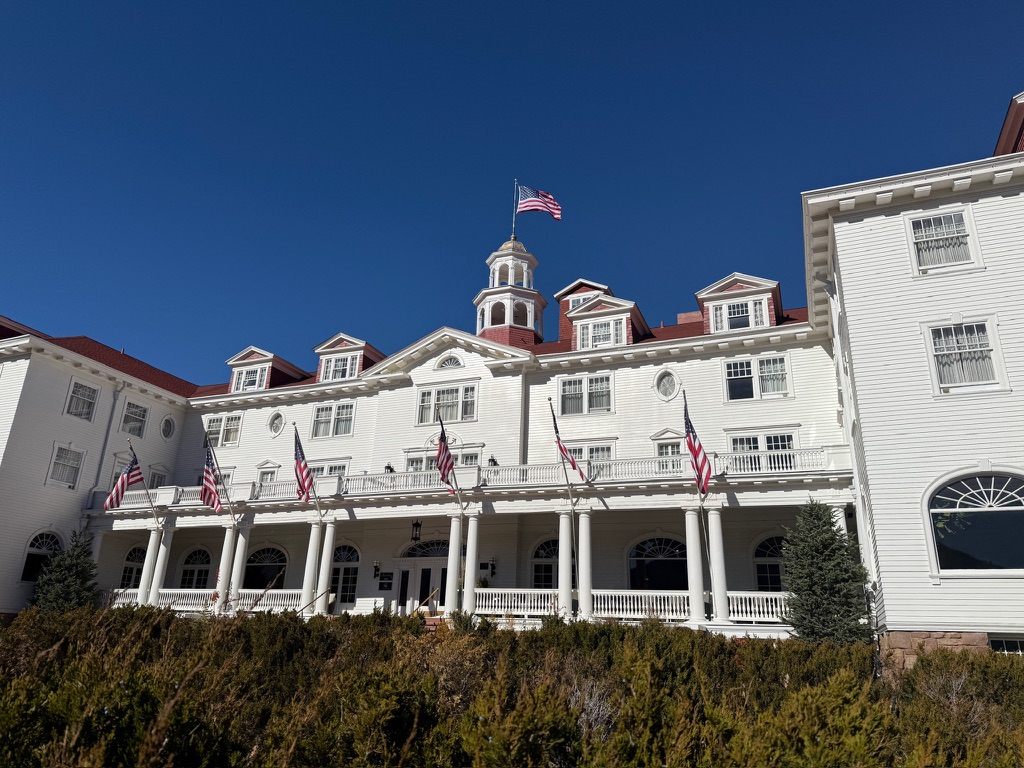
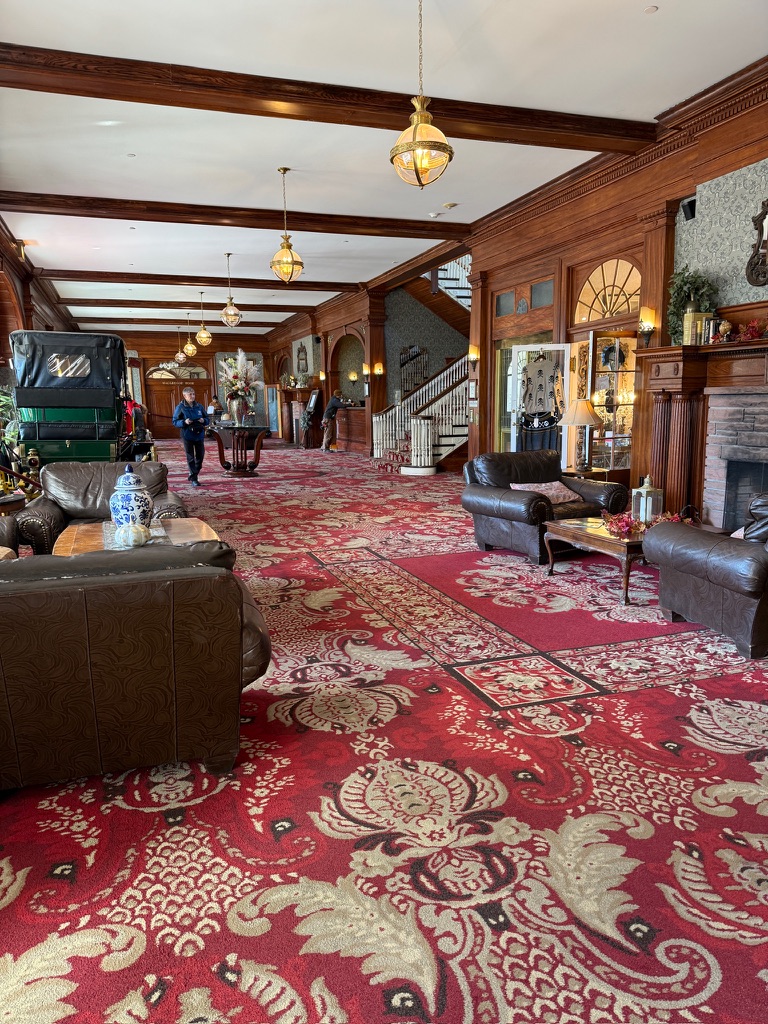
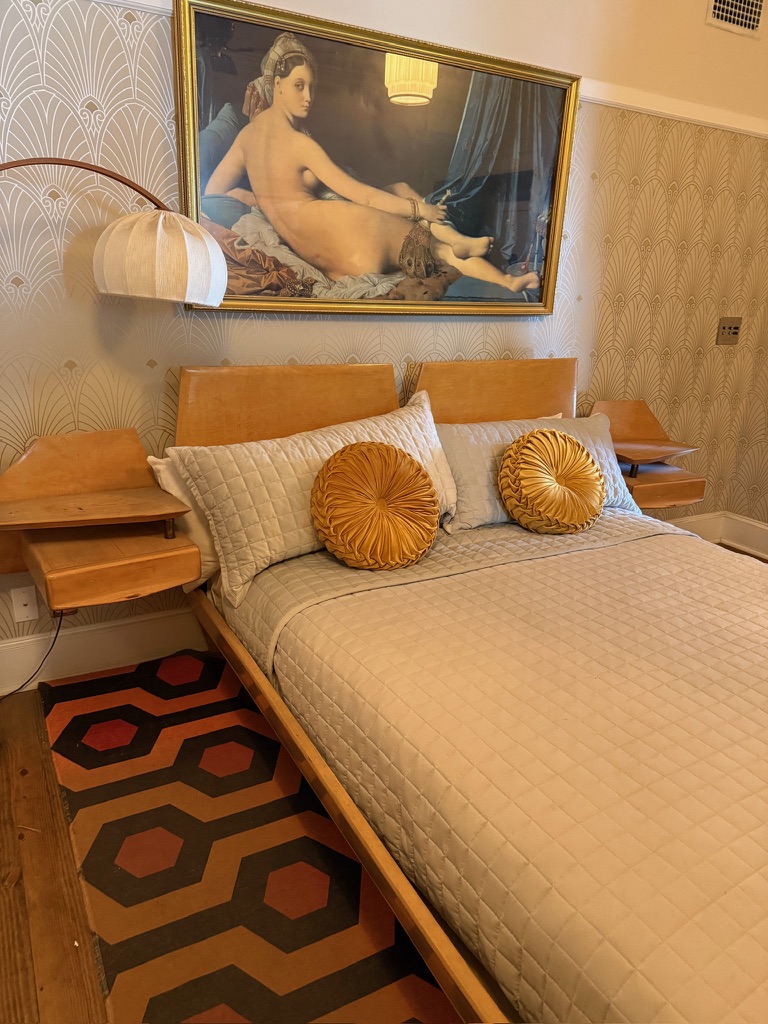
I didn’t live there more than a year before my parents moved on, but it holds a special place in my heart and I’ve always enjoyed my visits back to Colorado. On my most recent visit, I took the opportunity to head through Boulder and up the mountain to visit the Stanley Hotel. If you’re not a Stephen King fan, that might not mean much, but it was the setting for his book, The Shining. Interestingly, the movie that most are familiar with was not filmed there (it used Oregon’s Timberlake Lodge for the exterior shots!), but there was a tv series that was filmed there and having watched that and read the book, I really enjoyed my little tour of the Stanley Hotel.
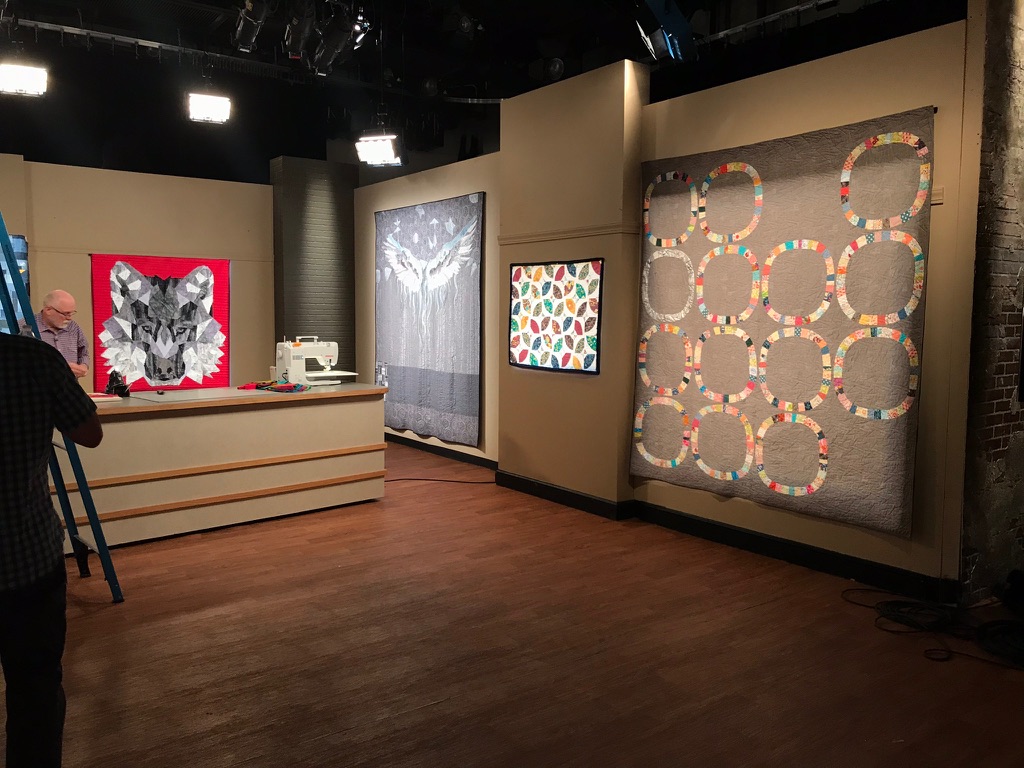
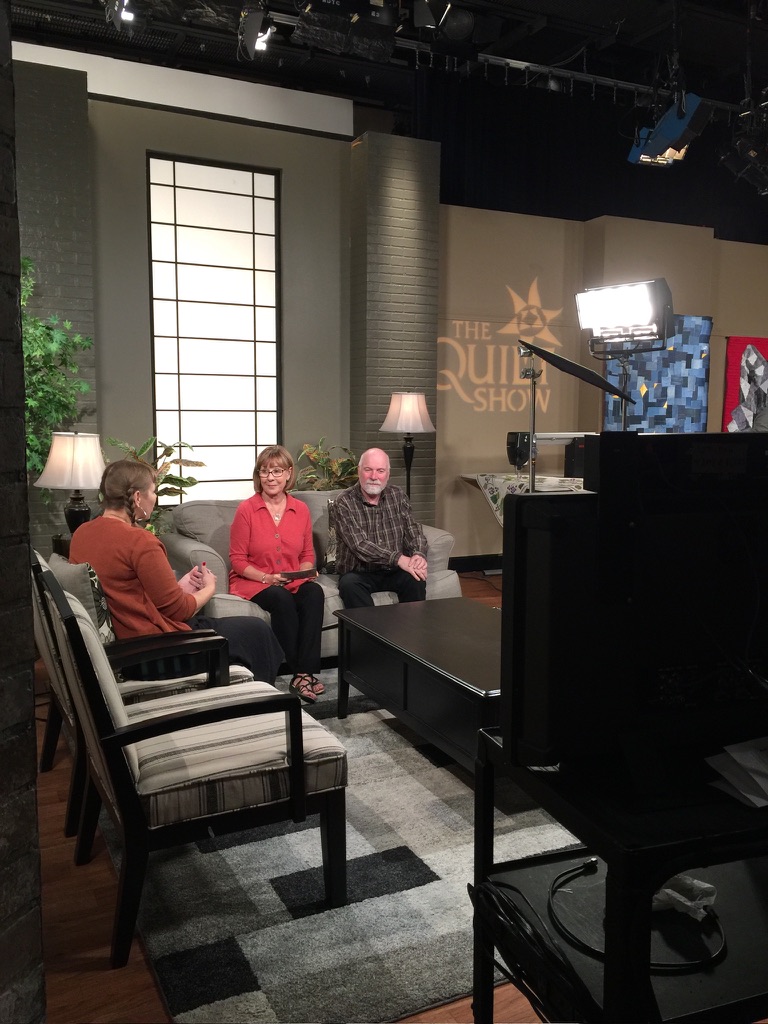
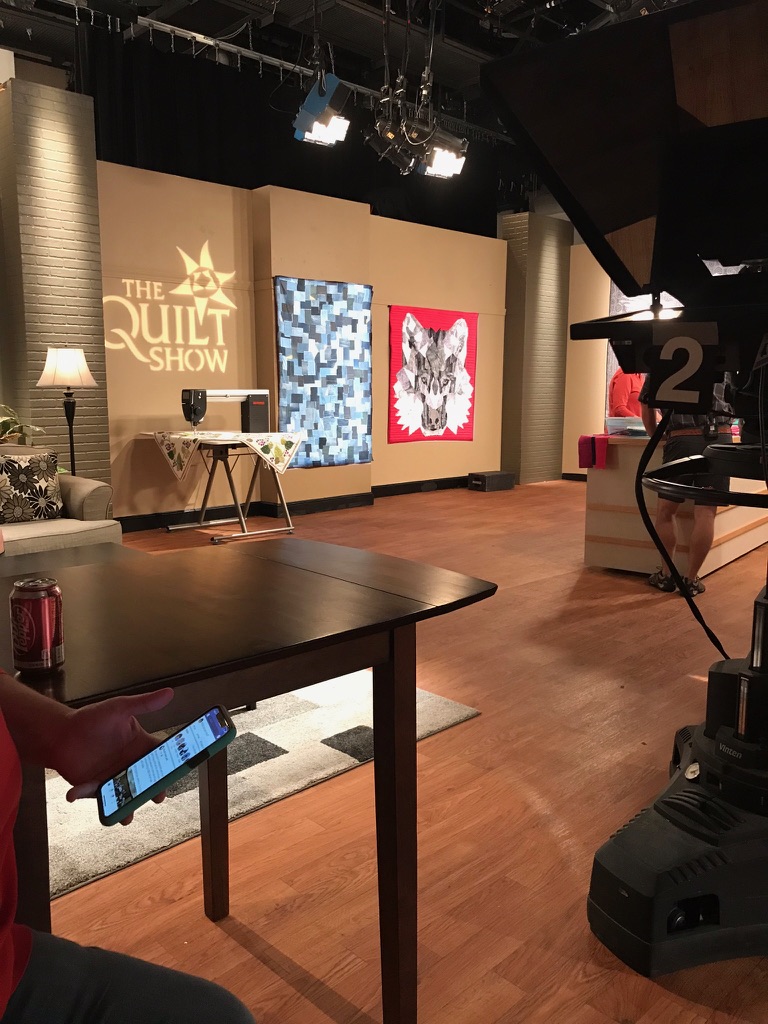
The Quilt Show with Alex Anderson and Ricky Tims was filmed in Denver for years and it was a joy to be able to participate in it. You can see a few of my quilts, including a denim quilt I made for my friend Greg, the Violet Craft Wolf Abstractions quilt made with Luxe Cuddle® and the collaborative Ascension Quilt I made with Hawke. Watch episode 2401 and make a Cuddle® quilt with me and Alex.
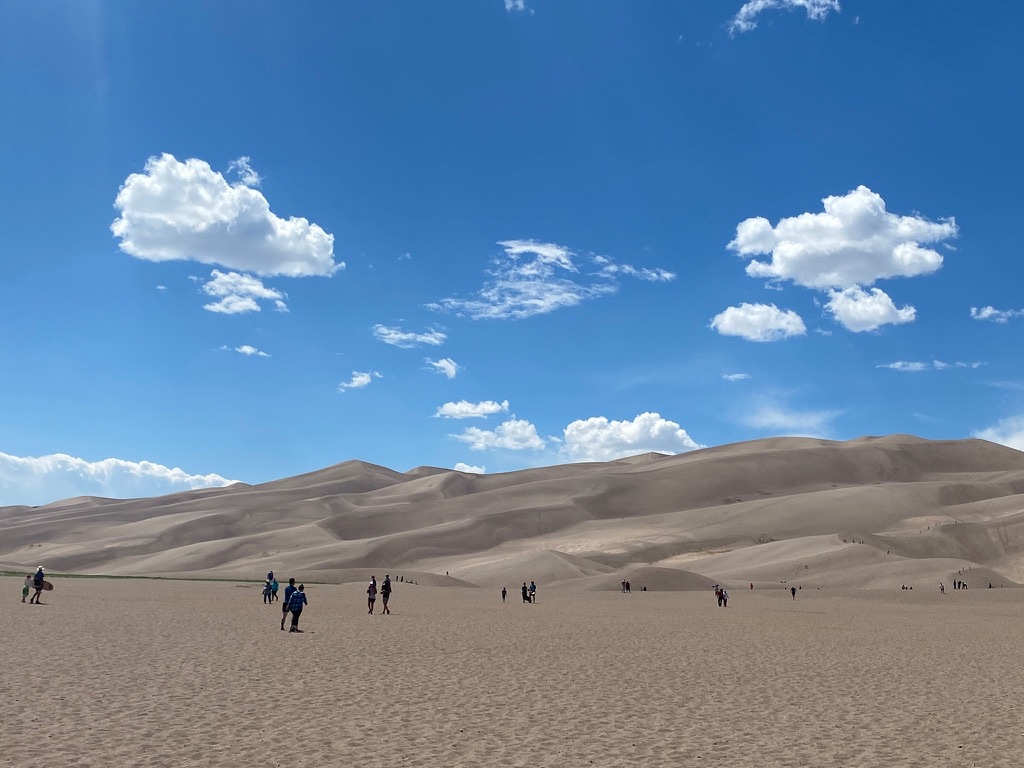
Great Sand Dunes National Park is one of the stranger finds in Colorado as it just seems so incredibly out of place. Left by Lake Alimosa’s disappearance millions of years ago and continually evolving due to wind and rains, it’s a fascinating place to visit.
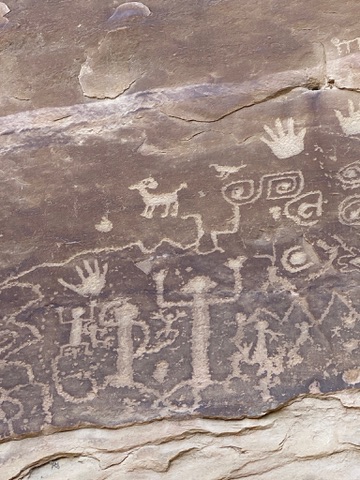
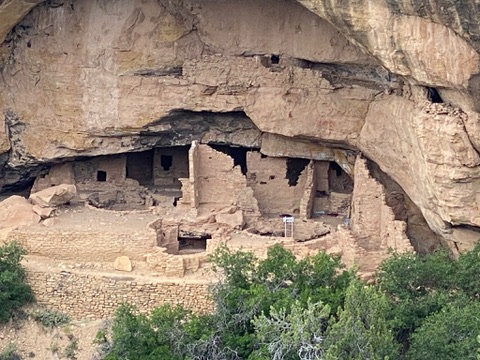
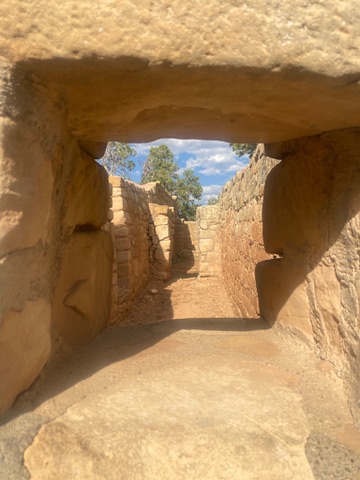
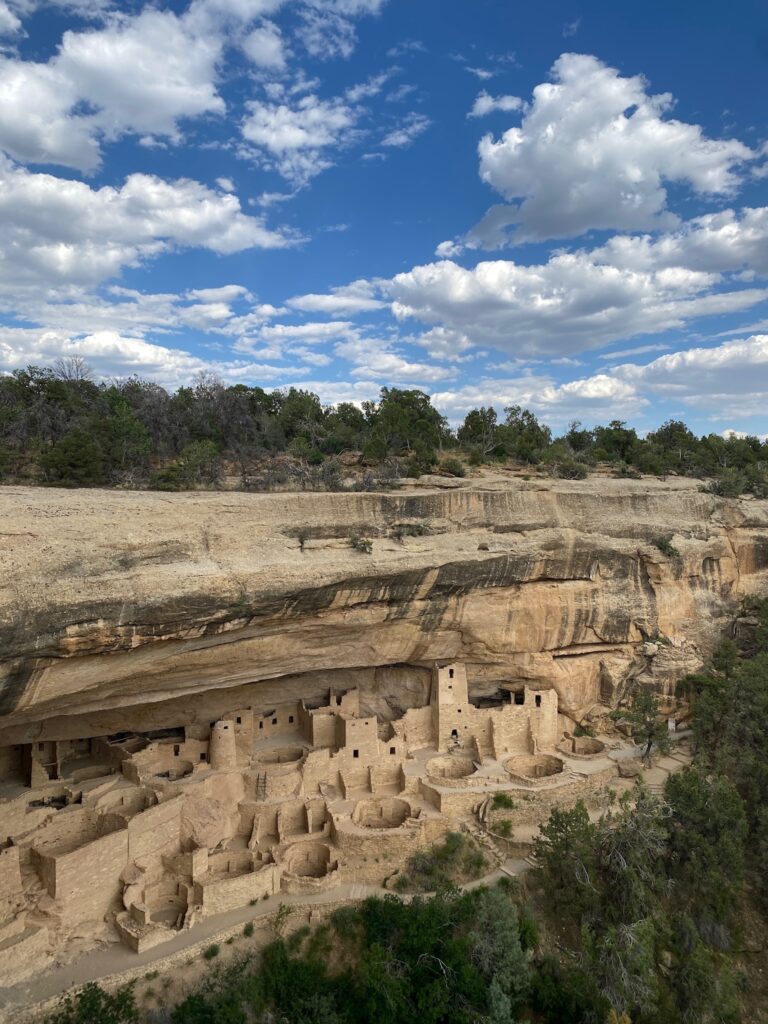
For years, I wanted to visit Mesa Verde National Park and in 2024 I finally got the chance. It was absolutely as magical as I’d expected it to be. The fact that people built and lived in these villages built into the sides of the canyon walls for hundreds of years, leaving an indelible mark on the land… it still blows my mind. I missed the big tour (it has to be scheduled in advance), but even from afar, I was absolutely mesmerized by it all.
Quilt Block
Quilt Block
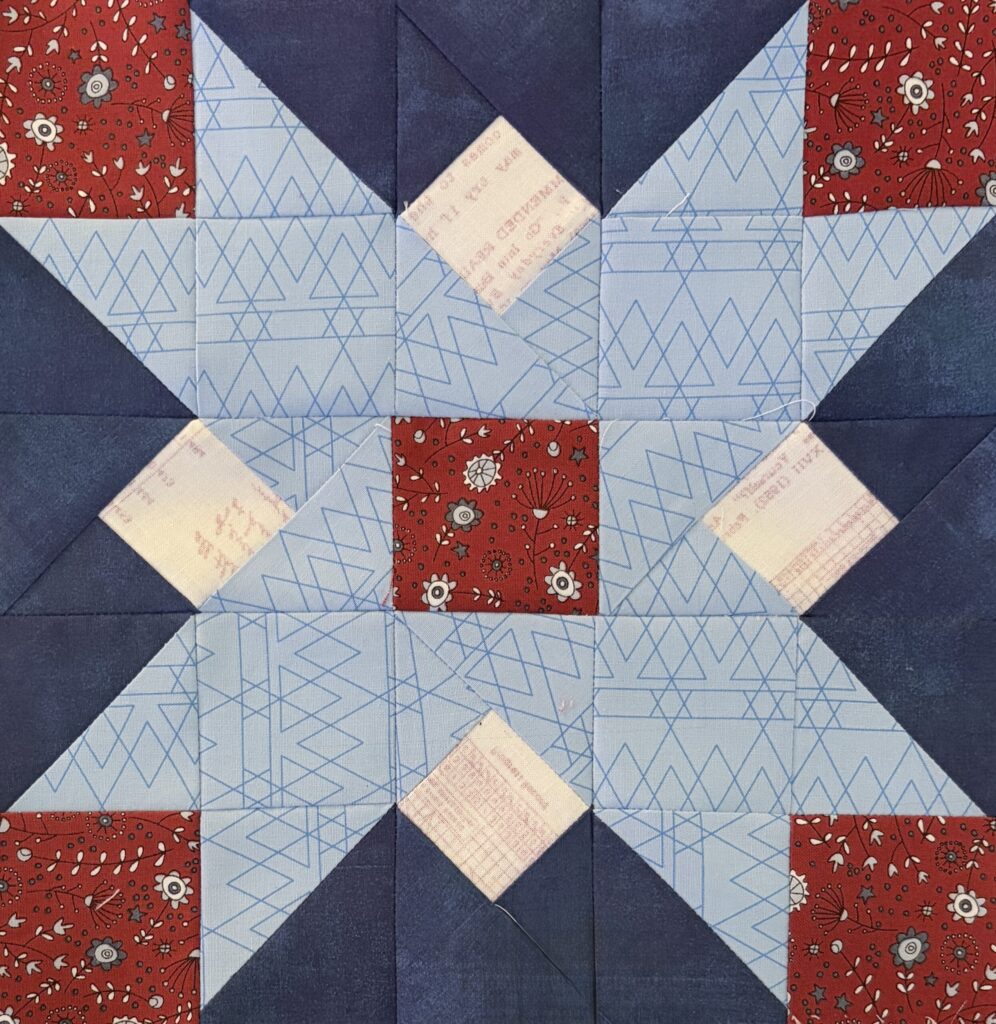
The Colorado block for the Quarter Millennial Quilt is a slight modification of the traditional Rocky Mountain Chain block, with color placement specifically to create snow-capped mountains.
I switched out blocks in the “chain” to the light blue to continue the sky appearance and draw more attention to the mountains. In reality, the Rocky Mountains are impossible to miss!
It’s made with a mix of patchwork and a little foundation paper piecing for accuracy on the center side pieces.
Quilt Shops
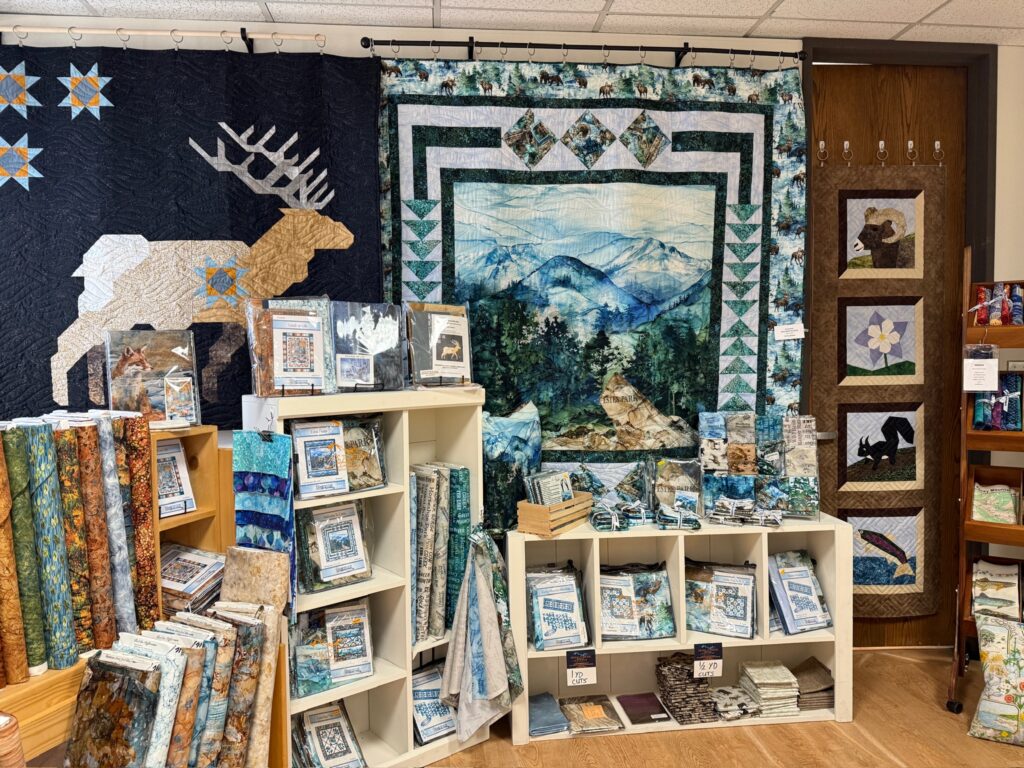
Here are just a few of the shops I know of in Colorado (several that I’ve had the joy of teaching at!)
- Sew-Ciety in Castle Rock
- Treelotta in Denver
- The Quilted Cow in Colorado Springs
- Peak to Peak Stitching in Estes Park
- The Fig Leaf in Fort Collins
- Lyons Quilting in Lyons
- The Fabric Garden in Springfield
If you live in or have visited Colorado, I’d love to hear about your experiences and your favorite quilt shops!