Wisconsin was home to the Ho-Chunk, Menominee, Ojibwe, and Potawatomi nations before European fur traders arrived in the 1600s, beginning the fur trade era that would dominate for decades. Control of the area shifted between France and Britain before ultimately becoming part of the United States following the American Revolutionary War.
In the early 19th century, Wisconsin became the point of conflict during the Black Hawk War, a brief but significant war between the U.S. military and Native American groups led by Black Hawk. By 1848, Wisconsin achieved statehood, becoming the 30th state in the Union.
The discovery of lead in the southwestern part of the state brought miners and immigrants from as far away as Cornwall, England. These miners often couldn’t afford proper housing, especially in the winter, so they dug tunnels into hillsides or lived in makeshift shelters carved into the ground. Because of this burrowing, locals began comparing them to badgers—animals known for digging dens underground. The name stuck, and Wisconsin became “the Badger State.”
Throughout the 1800s, Wisconsin more and more important in agriculture and dairy farming became especially important. In the 1900s, it would gain fame for its brewing industry, with Pabst Brewing Company and Miller Brewing Company both based in Milwaukee.
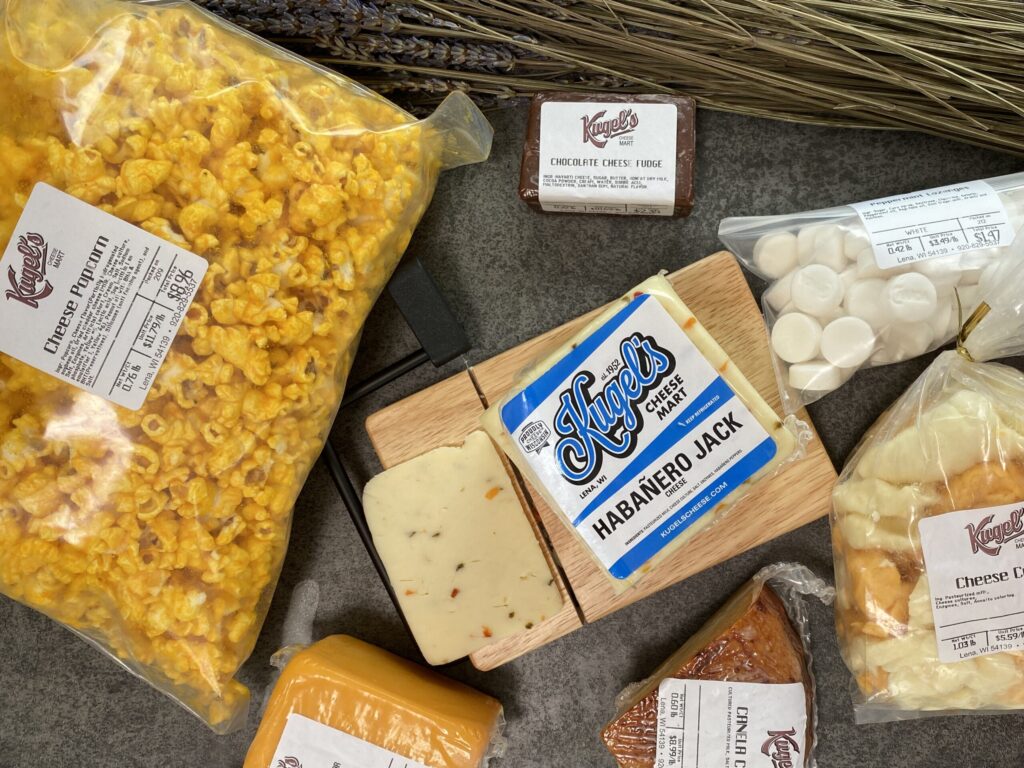
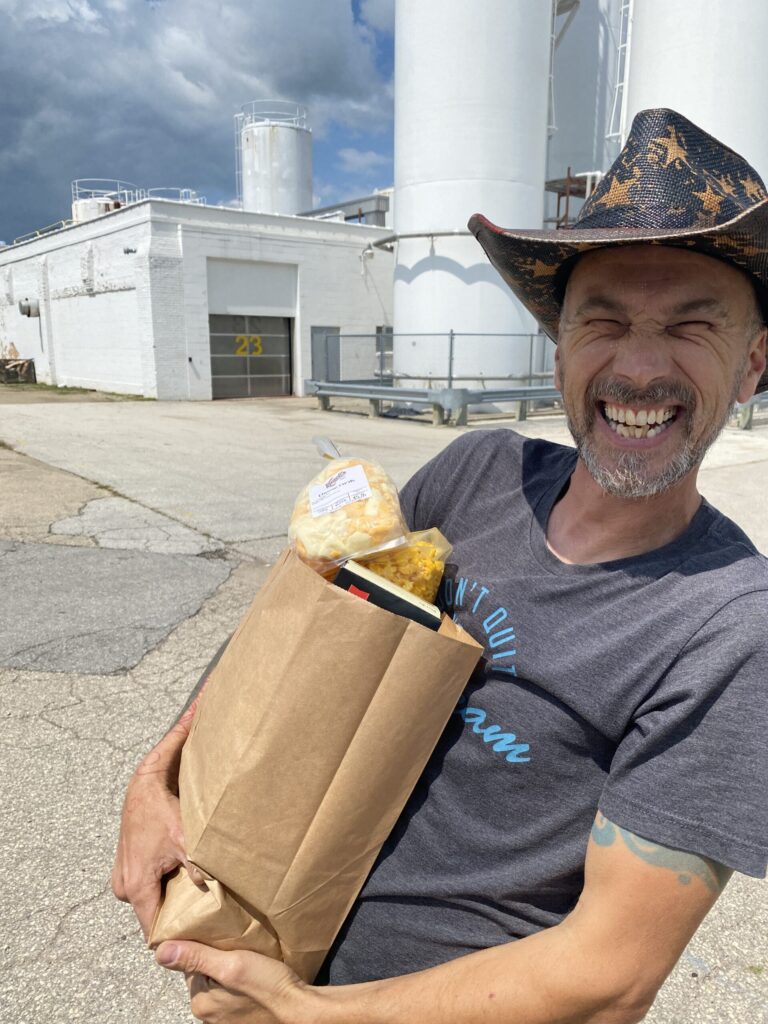
The state is famous for dairy farming and has been called “America’s Dairyland” since the 1940s. Cheese production is a point of pride–producing over 3 billion pounds of cheese annually. With more than 600 types of cheese, you’ll find a wide variety at every cheese shop you stop at (and there are a lot!) I found cheddar that had been aged for 20 years and the best cheese curds I’ve ever had.
When we visited on our LQS tour, we were able to take a few days mid-week to visit the Wisconsin Dells—a tourist area that was best visited in the off-season when the tours were still happening, but the crowds are somewhere else. The roads are lined with shops catering to tourists and family-friendly activities abound. The boat tour was magical, with views of the rocks, crags, trees and bald eagles.
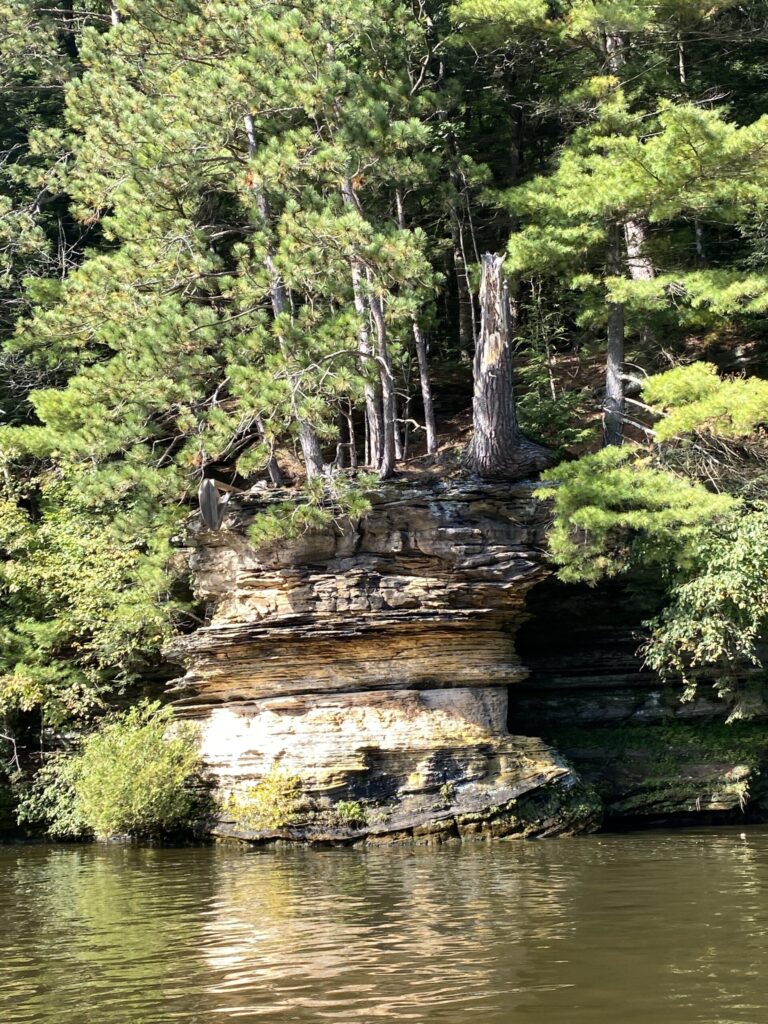
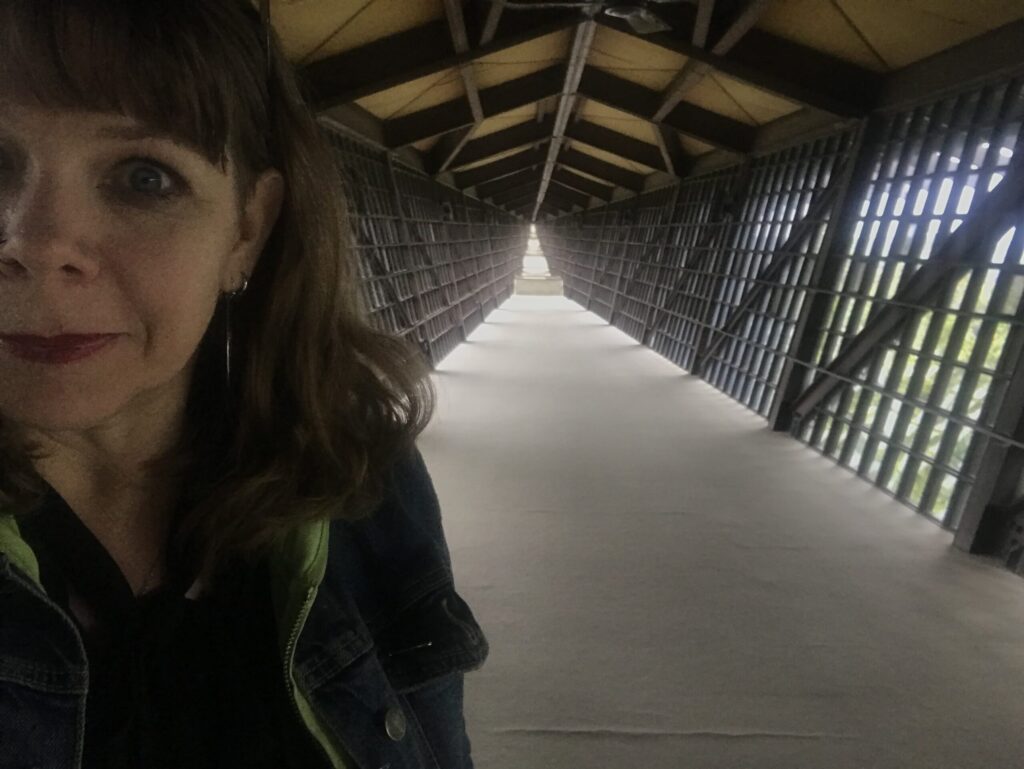
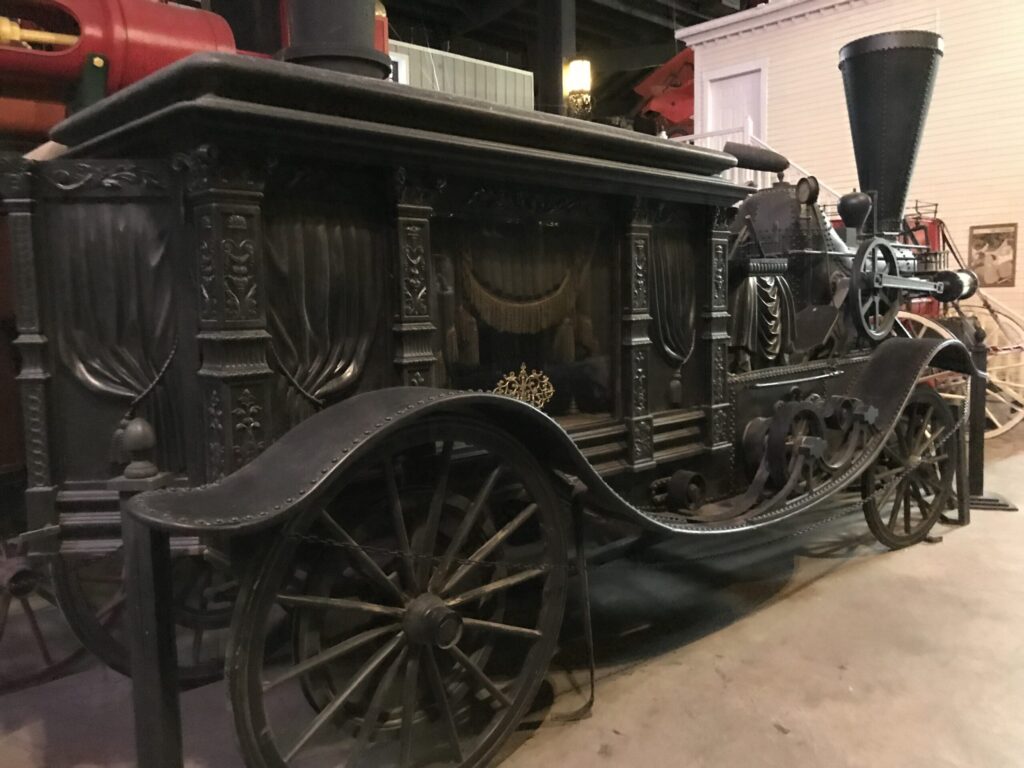
In Spring Green, Wisconsin, I stumbled upon one of the craziest places I’ve ever visited. The House on the Rock, built by Alex Jordan Jr. starting in the 1940s, is perched atop a 60-foot chimney of natural rock called Deer Shelter Rock. The original house is amazing on its own with low ceilings, massive stone fireplaces, and dark wood. The first stunning space is the Infinity Room — a narrow, cantilevered glass corridor that juts 218 feet out with no supports underneath. At the end of the corridor, the floor turns to glass, allowing you to see the trees below. It was both breathtaking and terrifying, which is pretty obvious by the look on my face.
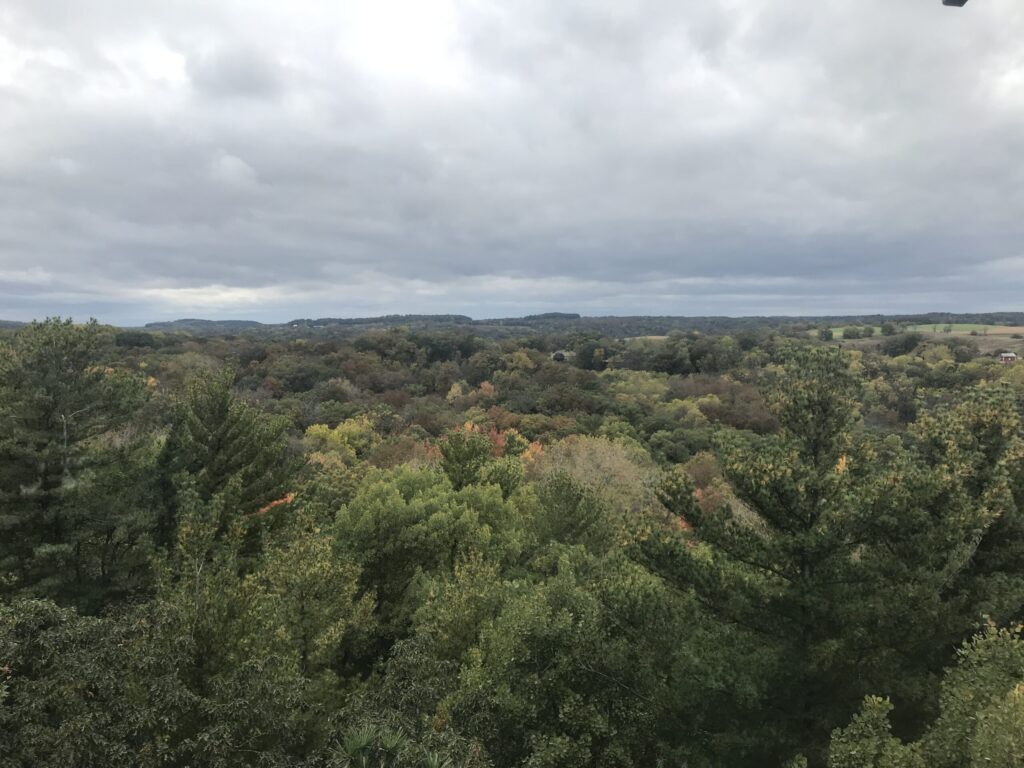
But the reward is this amazing view of the Wisconsin River Valley.
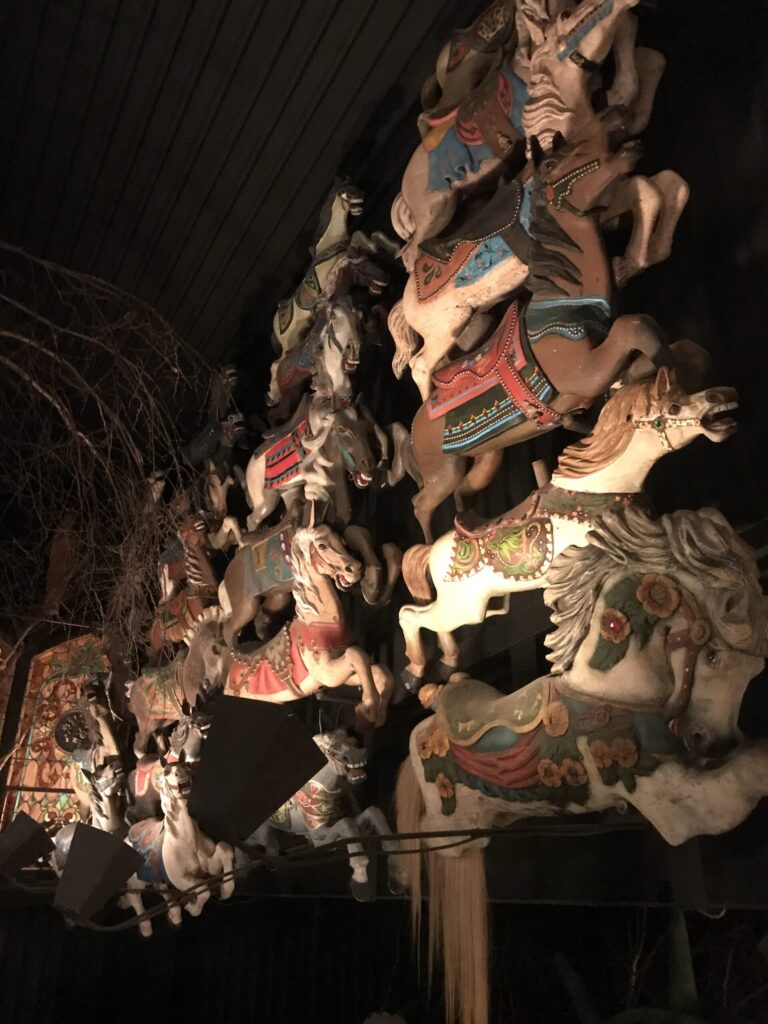
Beyond the house, there’s a sprawling complex of buildings that house Jordan’s obsessive, decades-long collections of… everything. Suits of armor. Thousands of dolls. Antique firearms. Elaborate mechanical music machines. An entire room dedicated to a massive sea creature battle scene. And then there’s the carousel room, filled with 269 animals spinning beneath thousands of stained glass panels and eery, angelic figures.The whole experience took me about four hours. Was it worth it? Absolutely. Was it overwhelming? Completely.
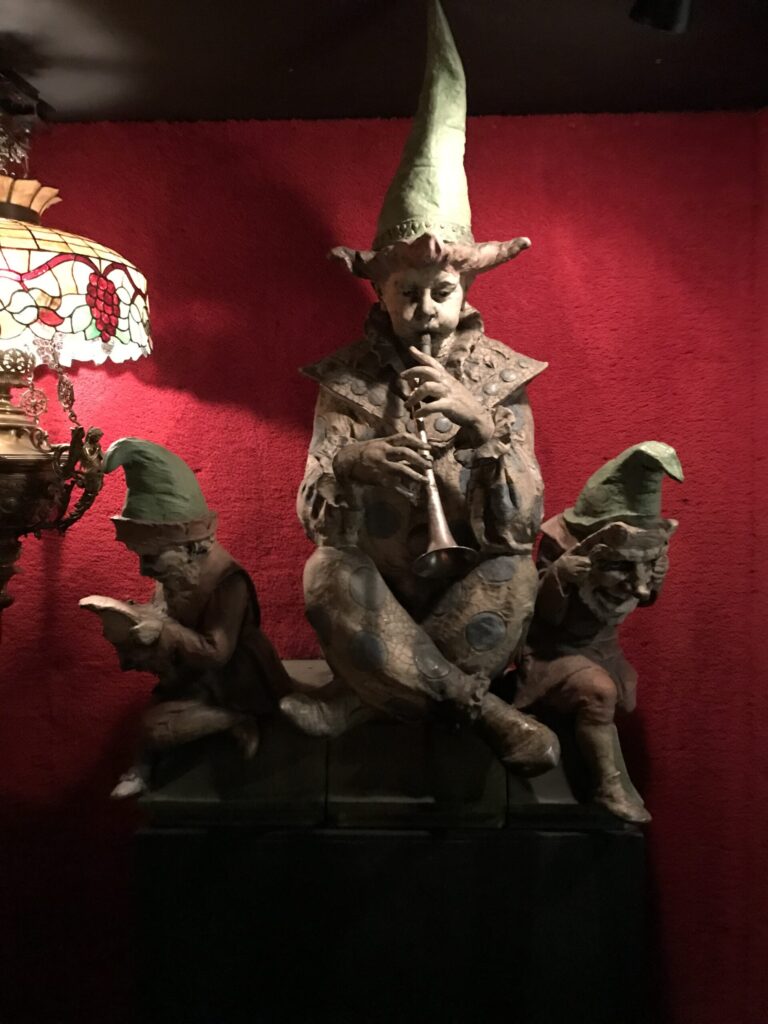
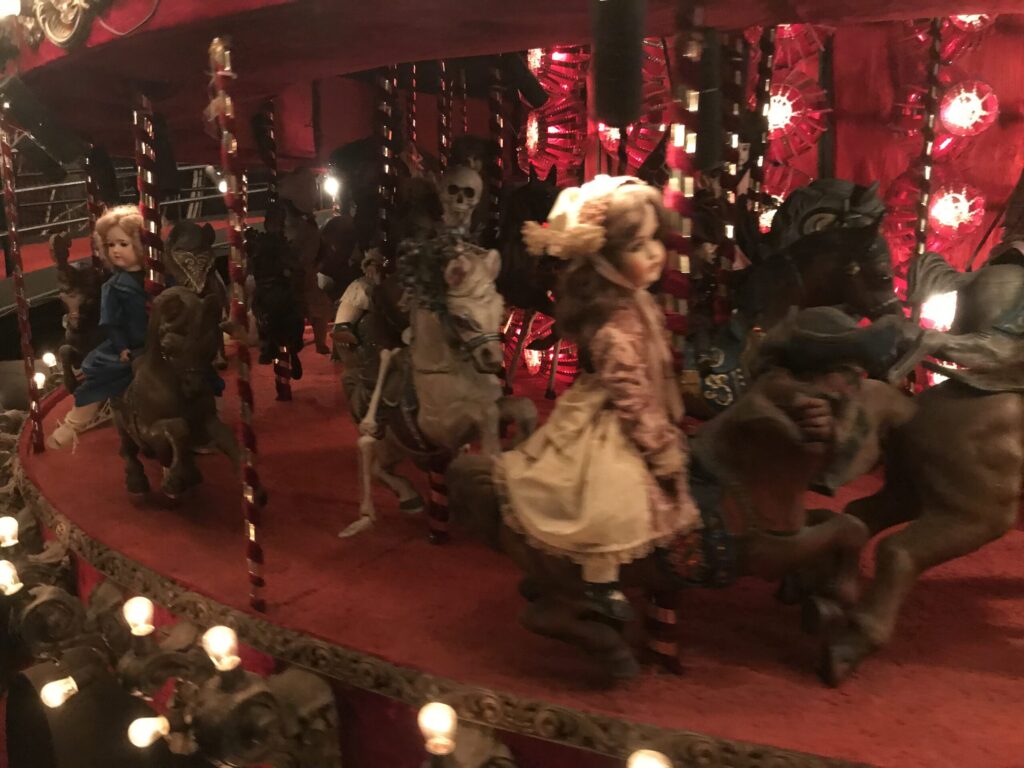
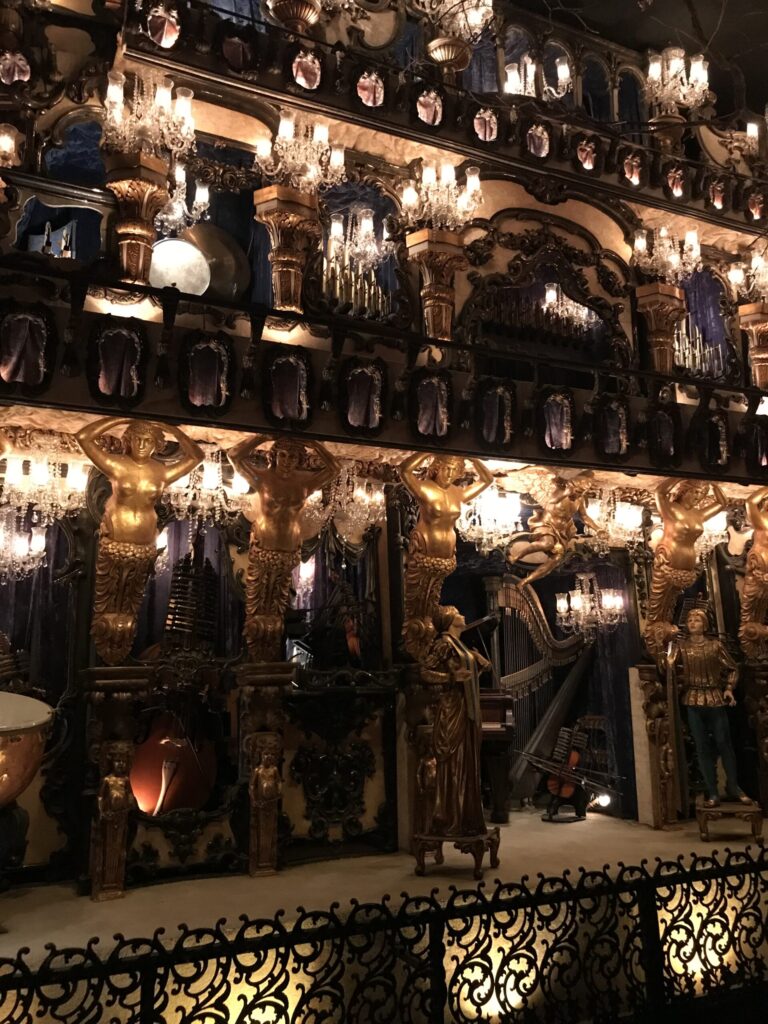
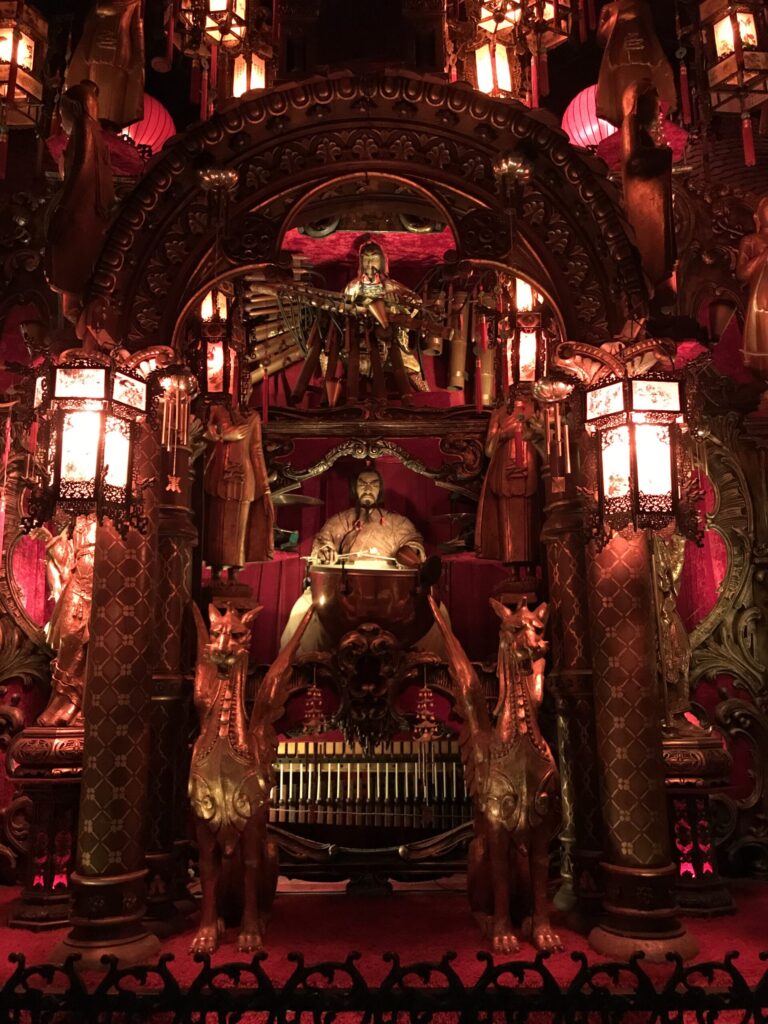
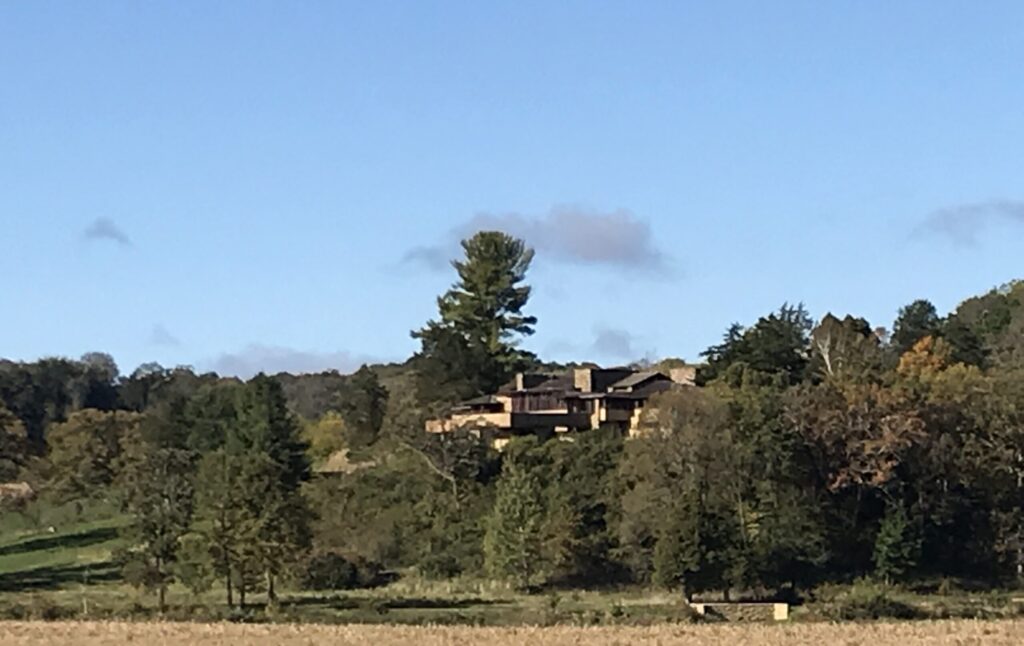
Not far away, is Taliesin, the estate that Frank Lloyd Wright called home for fifty years. Including his home, school, and studio, the space includes more than 30,000 sq. ft. of his carefully designed and executed architecture. Melding with nature, it’s almost hiding out there. On my visit, I wasn’t able to do a tour (you need to pre-plan that one!), but a visit to the gift shop reaffirmed my love of his design style.
Quilt Block
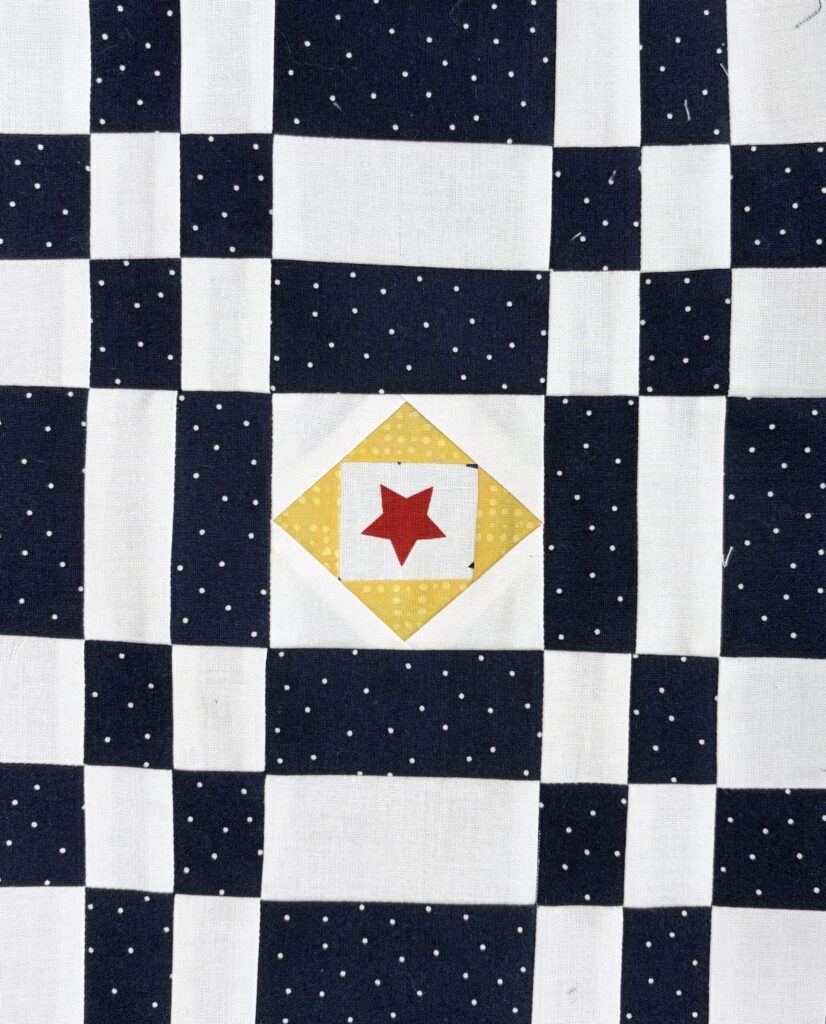
For Wisconsin, I chose a block that represents the state’s obsession with cheese. This traditional block is the Cheesebox, a traditional block that I modified to fit the space we had. It’s a nine-patch block, with nine-patches within.
In this block, we’ll practice our seam nesting to get those seam intersections. It’s important to take the time to nest them well, especially if (like me) you choose to do a dark and a light fabric.
For the center, you have a few choices: a simple square in a square block, a slightly more complicated one (that I chose for mine) or one with several layers to the center. I also chose a golden color for my center to pay homage to Wisconsin cheese.
Quilt Shops
- Patched Works in Elm Grove is the first shop I stopped at in Wisconsin and Julie, the owner, has been an absolute delight on every visit since. Their selection of quilting cottons and Cuddle® is great, plus they offer classes and longarm quilting services .
- Quilt Basket n Creations in Viroqua is close to The House on the Rock and has some of the kindest folks working there. You’ll find a wide selection of fabrics, notions and some needlework supplies.
- Quilt Peddler in Fennimore has rooms and rooms of fabrics, each with a theme or specific type, and a beautiful array of vintage machines displayed around the shop.
- Blue Bar Quilts in Middleton is a bright, modern shop that was kind enough to host us on our LQS tour, and had the media show up (first time on live TV!). The classroom is large and they have a full schedule–including a semi-regular teaching of my Mirth Quilt pattern.
- Bungalow Quilting in Ripon is owned by Judy Gauthier, a designer and teacher, in addition to being a shop owner. Nestled in to the little house-turned-shop, you’ll find hundreds of bolts of fabric, books and kits.
If you’ve visited Wisconsin or know of a quilt shop I should stop at next time, let me know in the comments!