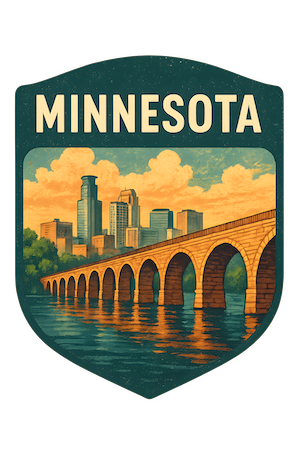
This region was home to Dakota and Ojibwe peoples, whose cultures and traditions are deeply tied to the land and waterways. The name “Minnesota” itself comes from the Dakota word Mni Sota Makoce, meaning “land where the water reflects the sky”—a phrase that feels accurate for a state that has nearly 12,000 lakes.
The French came first among the Europeans — fur traders and missionaries. Then came the Americans, and with them, Fort Snelling, built in 1825 at the confluence of the Mississippi and Minnesota Rivers. The positioning helped establish Minnesota in the fur trade.
Minnesota officially join the Union in 1858, but soon after tensions between American settlers and the indigenous people culminated in the US-Dakota War of 1862.
And yet the state rebuilt, and kept going, and grew. Minneapolis became, of all things, the flour milling capital of the world. By the 1880s, the mills along the Mississippi were producing more flour than anywhere else on earth, powered by the force of St. Anthony Falls.
Charles Lindberg grew up in Little Falls, where you can still visit his childhood home.
Bob Dylan grew up in Hibbing, a town built on iron ore, surrounded by birch trees and long winters, which may have influenced his songs protesting injustice and political corruption.
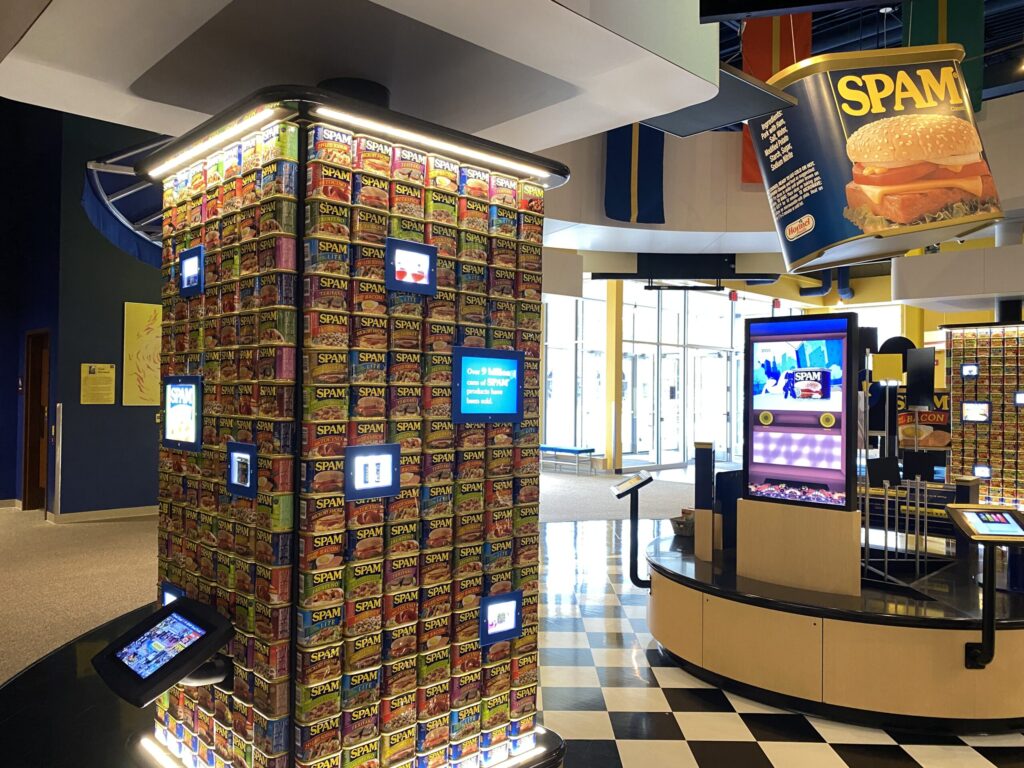
Thankfully, I’ve only visited Minnesota in the summer months, but every time has been a joy. One of my favorite finds was in Austin, where you can find the SPAM Museum. Yep, that canned meat product that we either love or hate (I’m in the love camp, especially in masubi!)
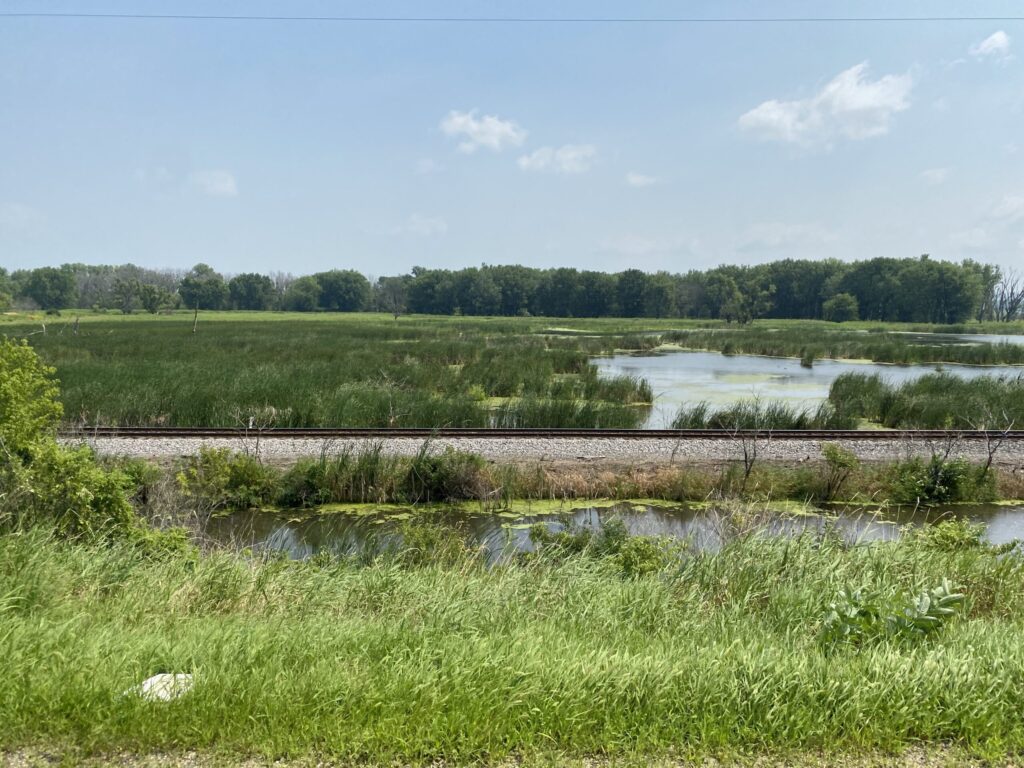
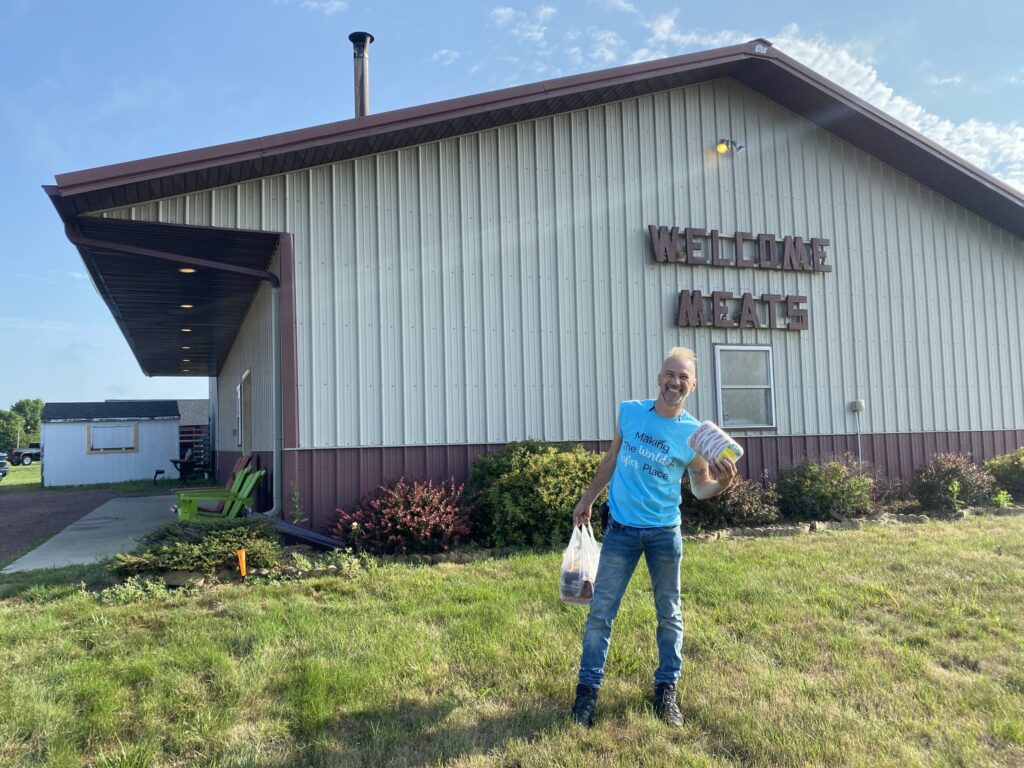
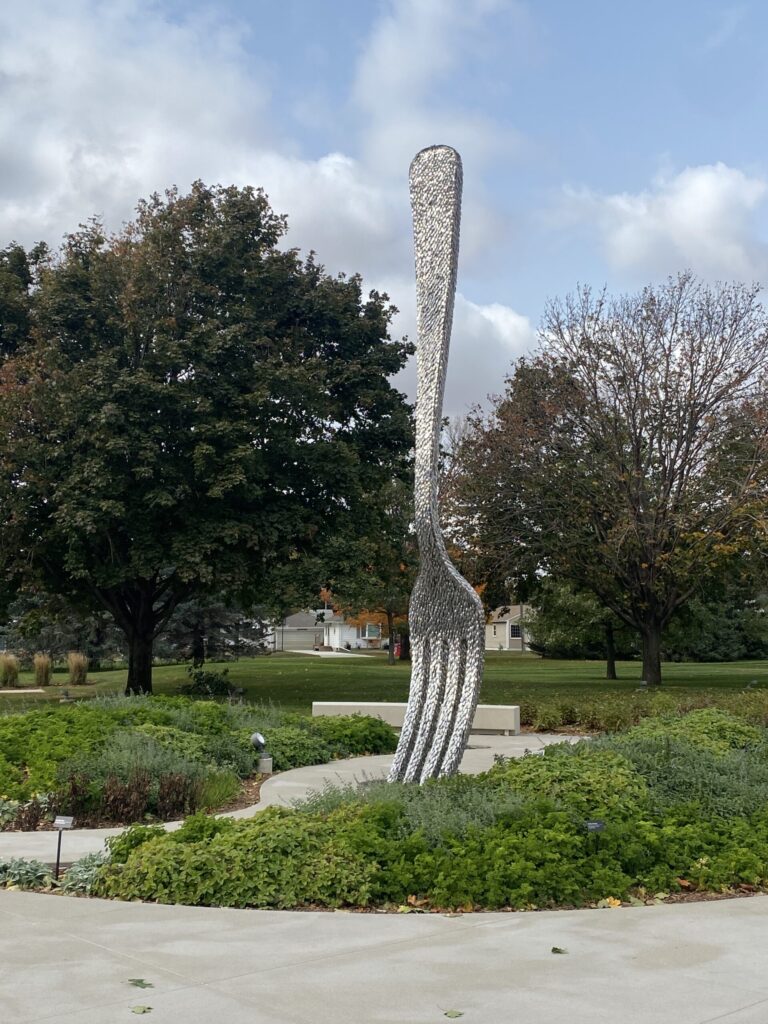
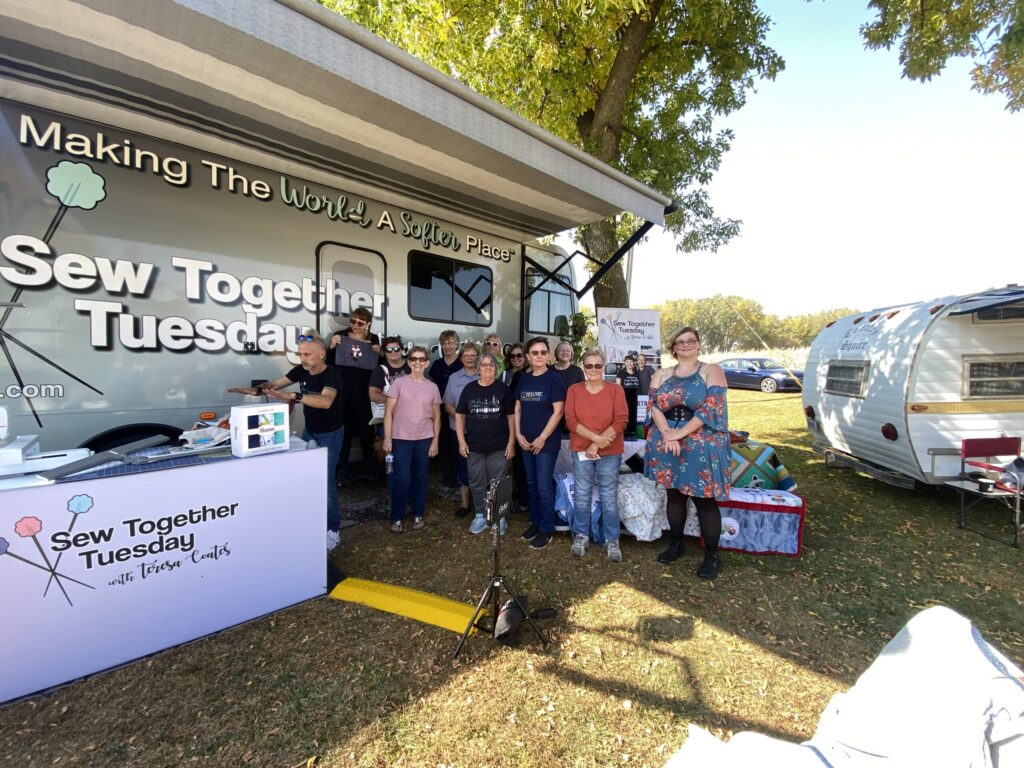
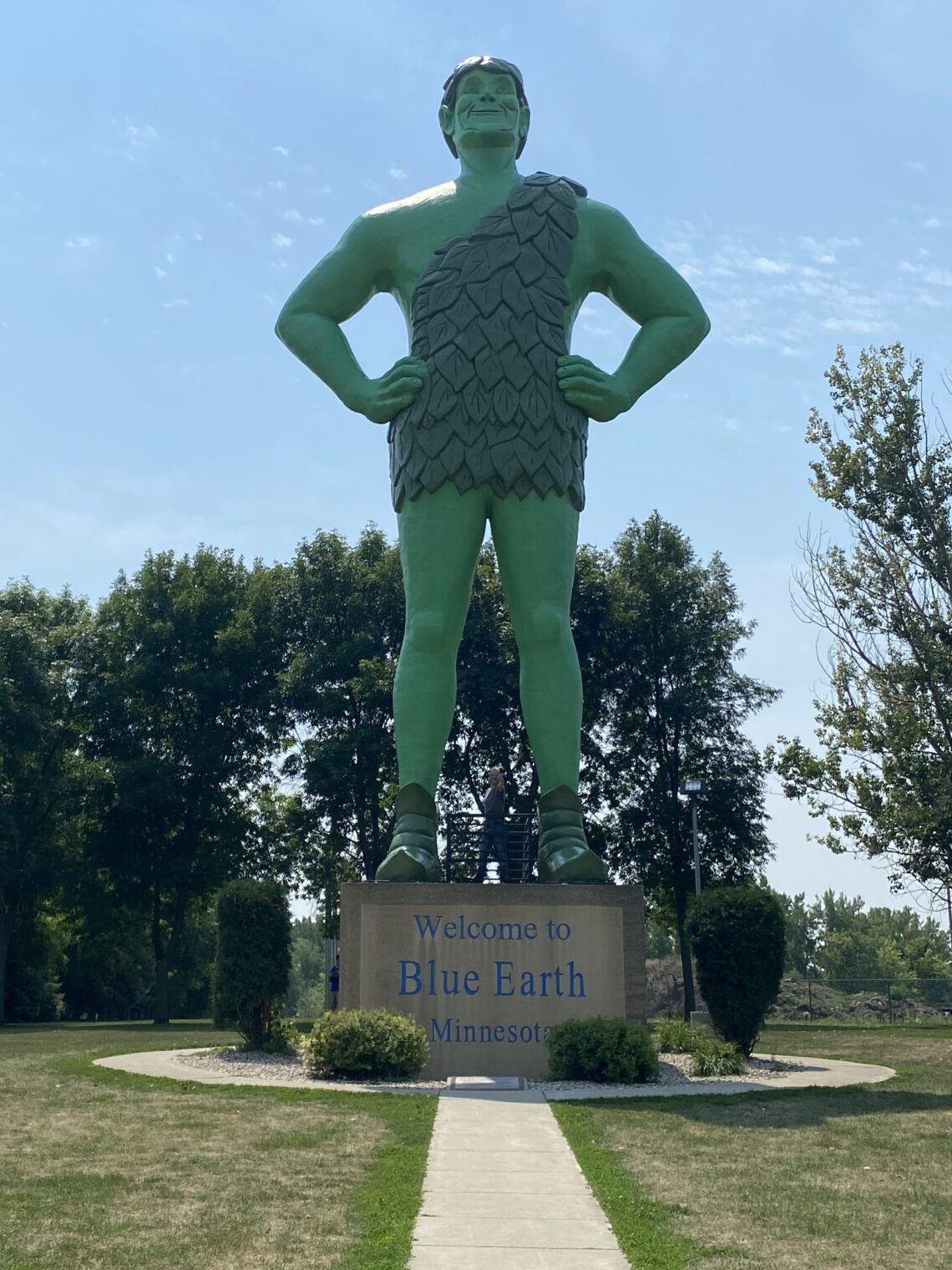
We found the very best meat shop in an adorable town called Welcome (next time you’re through, stop at Welcome Meats!). We stopped near Blue Earth to see the Jolly Green Giant. We saw the The Big Fork-The Power of Food sculpture at the Hormel headquarters, and had the very best time doing an episode of Sew Together Tuesday in front of a corn field where the no-see-ums tried to eat me alive.
Quilt Block
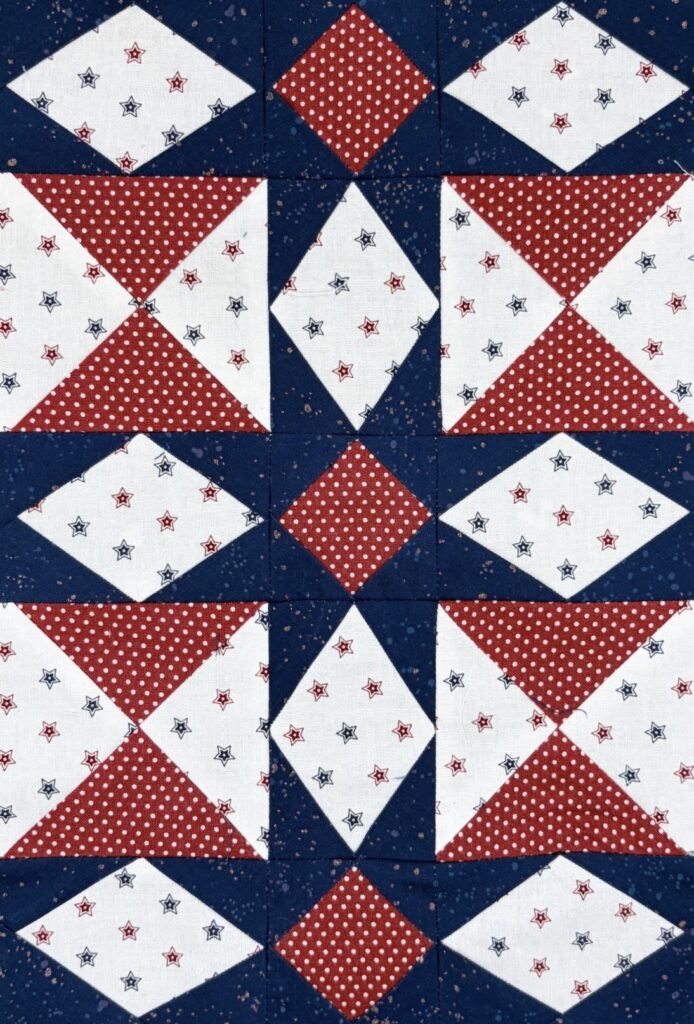
We’re using a traditional Minnesota block for the Quarter Millennial Quilt, but with a modification for the size. I added a row on either side of the block, to give it the extra that it needed. I chose to use paper piecing for the diamonds and the squares because I find it easier and accurate, but in the video tutorial, I’ll show you how to do the squares with a “snowball method” (and why I prefer FPP).
I also show you how to make quarter-square triangles with an easy method to nail the points.
This block can be place in your quilt vertically or horizontally.
Purchase the Minnesota block pattern.
Quilt Shops
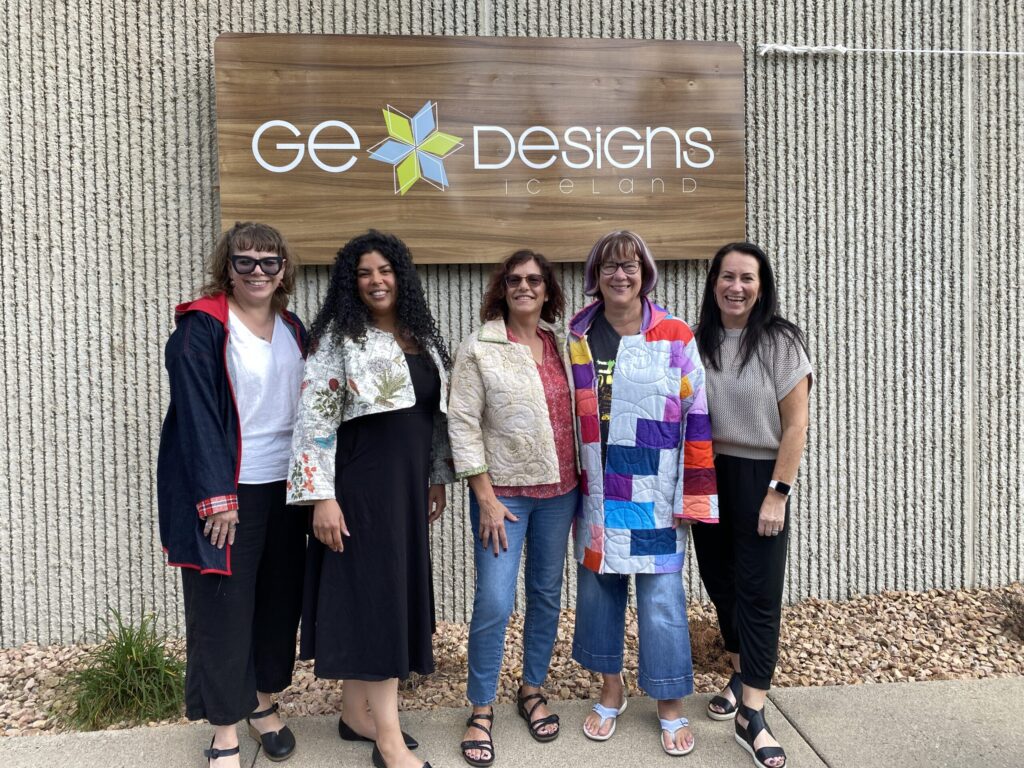
- GE Designs in Chaska is best known for Gudrun and her Stripology rulers. Shopping is generally online, but if you get a chance to visit during FamFest, do it–I taught there a couple years ago and absolutely loved it.
- Calico Hutch Quilt Shop in Hayward is a surprisingly large store with quite a wonderful selection of solids, reproductions, patterns, and fat quarters.
- Old Alley Quilt Shop in Shelburn has taken over an old bowling alley, which makes it fun to see inside, but their selection of notions, Cuddle, and quilting cotton is worth the stop, too!
- Sew Trendy MN in Eagan is an in-person shop, but is most well-known for their almost daily Live shows on Facebook. She is a hoot to watch and offers up some really fabulous combos!
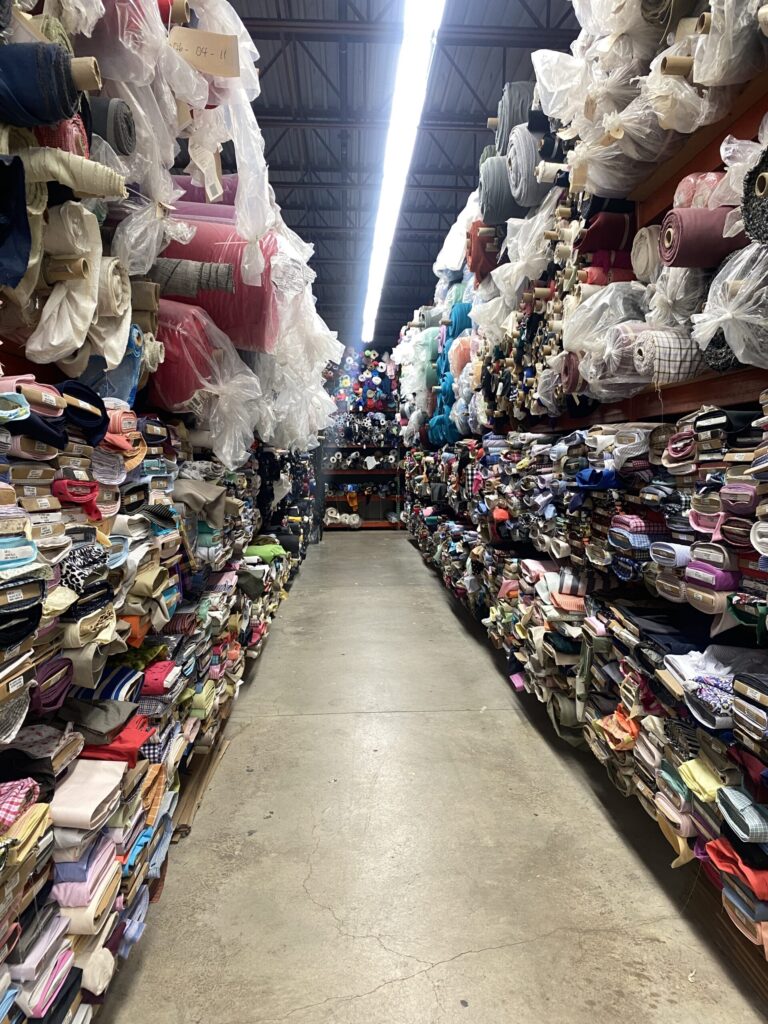
- SR Harris in Brooklyn Park isn’t a quilt shop, but if you’re in Minnesota, you should go. I made the visit with friends Kristi and Renee and we were all a bit overwhelmed but in the best way. The prices are great, the fabrics stacks are high and the conversations in the aisles are priceless.
Good morning I’m trying to cut out Minnesota but missing pieces in the instructions is there revised instructions?
Debbie, There was no revision. You create some of the pieces by sewing QSTs, two at a time. That might be causing some confusion.