Long before California became part of the United States, it was home to one of the most diverse Indigenous populations in North America. For thousands of years, Native peoples such as the Chumash, Ohlone, Miwok, and Yurok lived across the region. With more than 100 distinct languages spoken, the area was one of the most linguistically diverse places on Earth. These communities thrived through fishing, hunting, gathering, and controlled burning practices that shaped the landscape in ways that are still studied today.
In 1542, Spanish explorer Juan Rodríguez Cabrillo sailed along the California coast and was the first European contact. But it wasn’t until 1769 that Spain began to have permanent settlements there with a chain of missions led by Junípero Serra. These missions stretched from San Diego to Sonoma and were intended to convert Indigenous people to Christianity. This was meant to solidify Spain’s territorial claims, but it came at a devastating cost to Native populations.
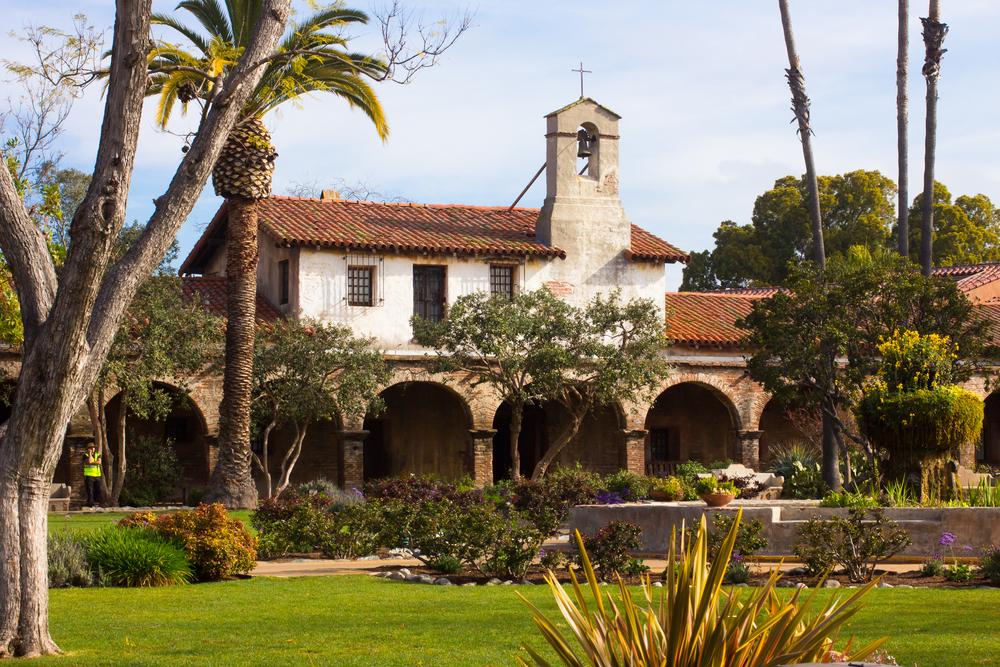
Just 50 years later, California became part of Mexico. The mission lands were secularized and redistributed as large ranchos, bringing with them a cattle-based economy and the “Californio” culture –ranching, horsemanship, and a distinct blend of Spanish and Mexican traditions — that is still evident today.
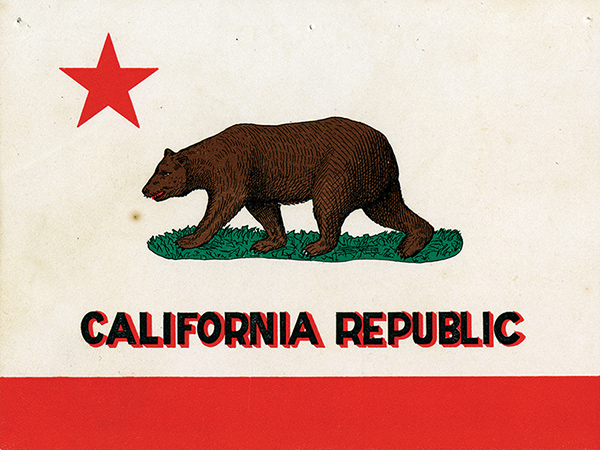
Everything changed with the Mexican-American War. Settlers in California staged the Bear Flag Revolt in 1846, briefly declaring California an independent republic, but it ended two years later with the Treaty of Guadalupe Hidalgo. Mexico ceded California, Texas, and other territories to the United States.
The California Gold Rush began with the discovery of gold at Sutter’s Mill in 1848 and sparked a massive migration across the United States. Within just a few years, California’s population exploded with folks panning for wealth and n 1850, California was admitted as the 31st state.
It entered the Union as a free state, playing a key role in the balance between free and slave states leading up to the Civil War. California gold was used to fund the Union efforts, but a large part of Southern California was for secession. The Union held and soldiers from the state were sent eastward to hold off the Confederate Army in what is now New Mexico and Arizona.
The film industry took hold in the state in the early 1900s, moving from its former hub in New Jersey. Thomas Edison held the patent on movie cameras and was enforcing it through litigation with independent filmmakers. Looking for a way to avoid legal repercussions, they found the natural beauty and sunshine of Southern California (and its proximity to the Mexican border should they need to escape) ideal. By the 1910s the film industry had largely relocated to Hollywood, where land was cheap and the sun was always shining.
Today, California has more people living there than any other state and is the fourth largest economy in the world (behind the US, China, and Germany) with $4.1 trillion GDP.
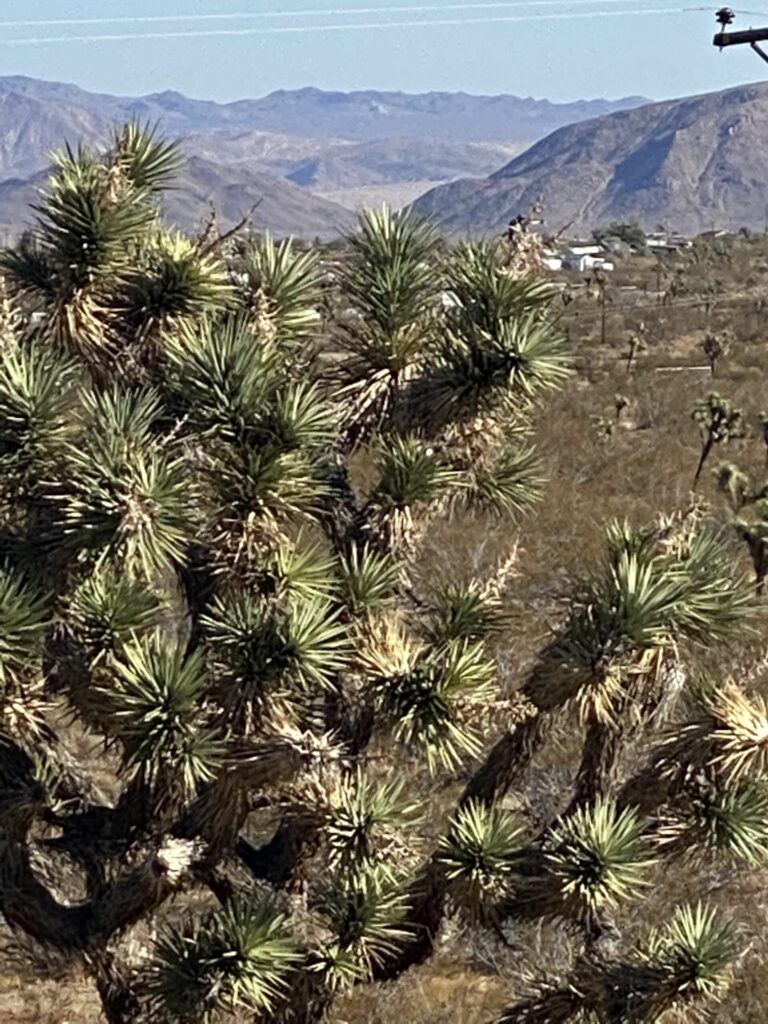
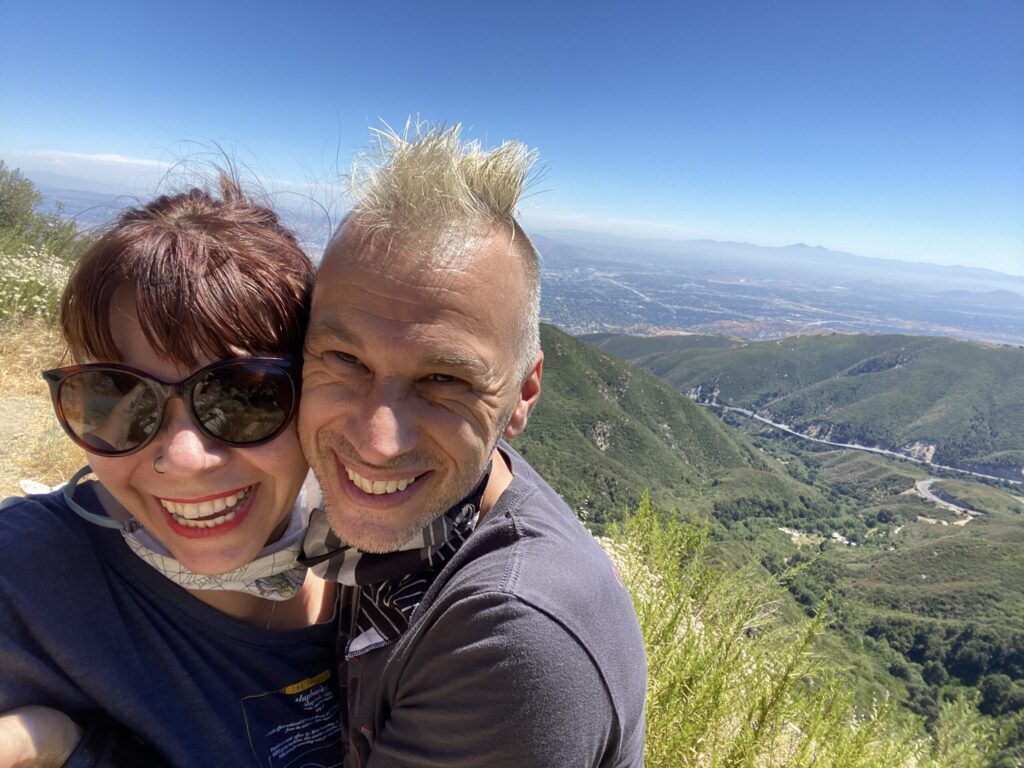
California runs the full spectrum of landscape, from the Mojave Desert to the Sierra Nevada mountains. During our time living in Los Angeles—five years for me, and nearly twenty for Hawke—we took every opportunity to explore that range.
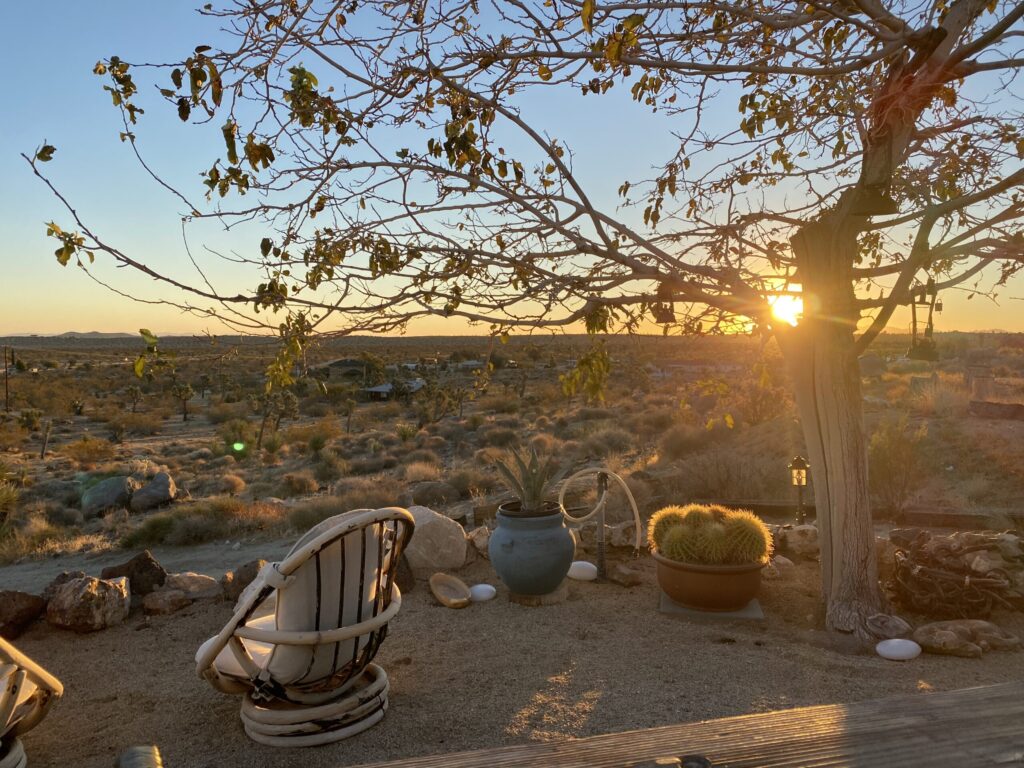
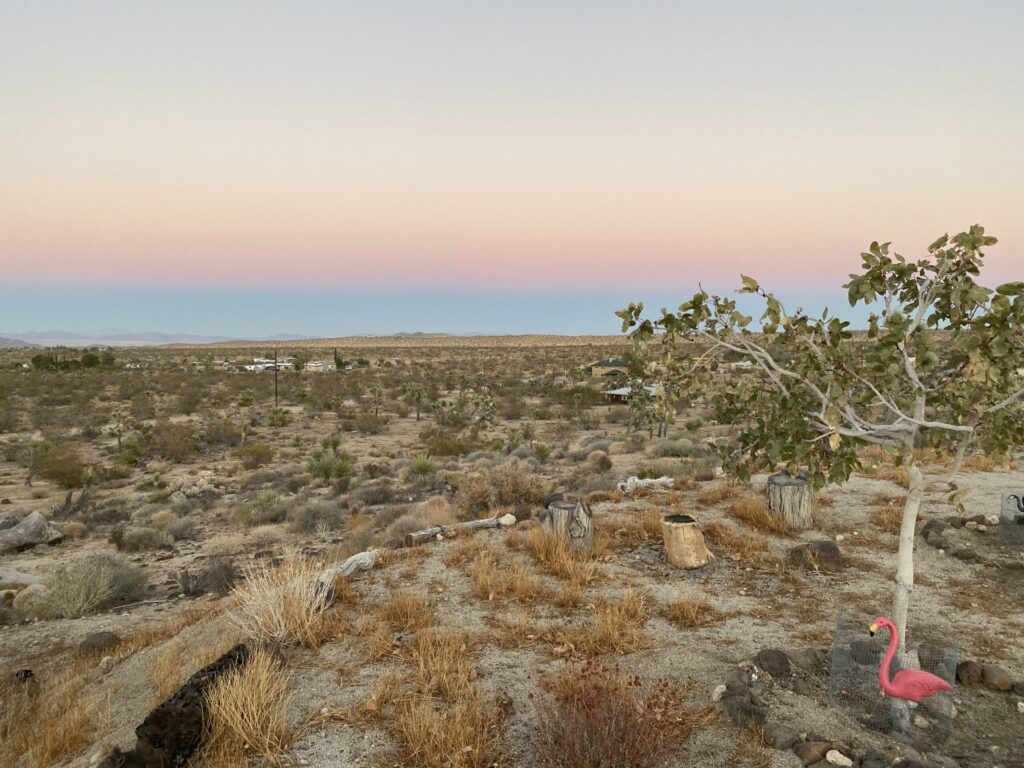
One place we returned to again and again was Joshua Tree National Park. There’s something otherworldly about it with the almost-cartoony Joshua trees, the quiet of desert, and the massive rock formations that I can only describe as “Flintstones rocks.” With miles and miles to explore, we found our way out here at least once a month for nearly a year.
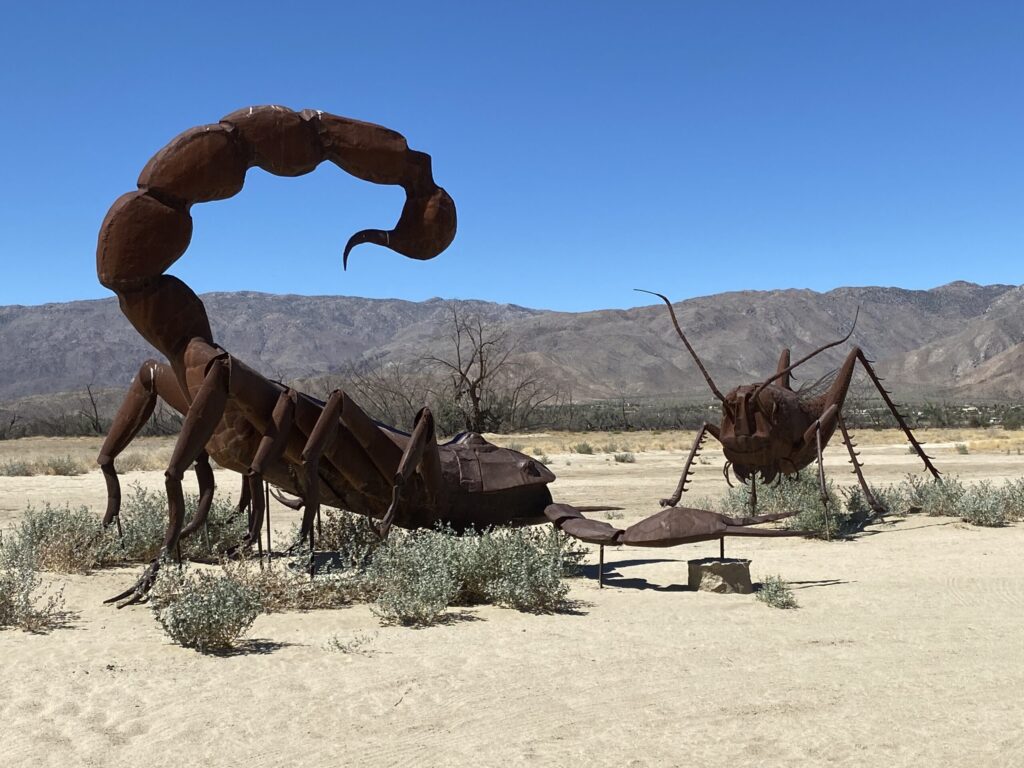
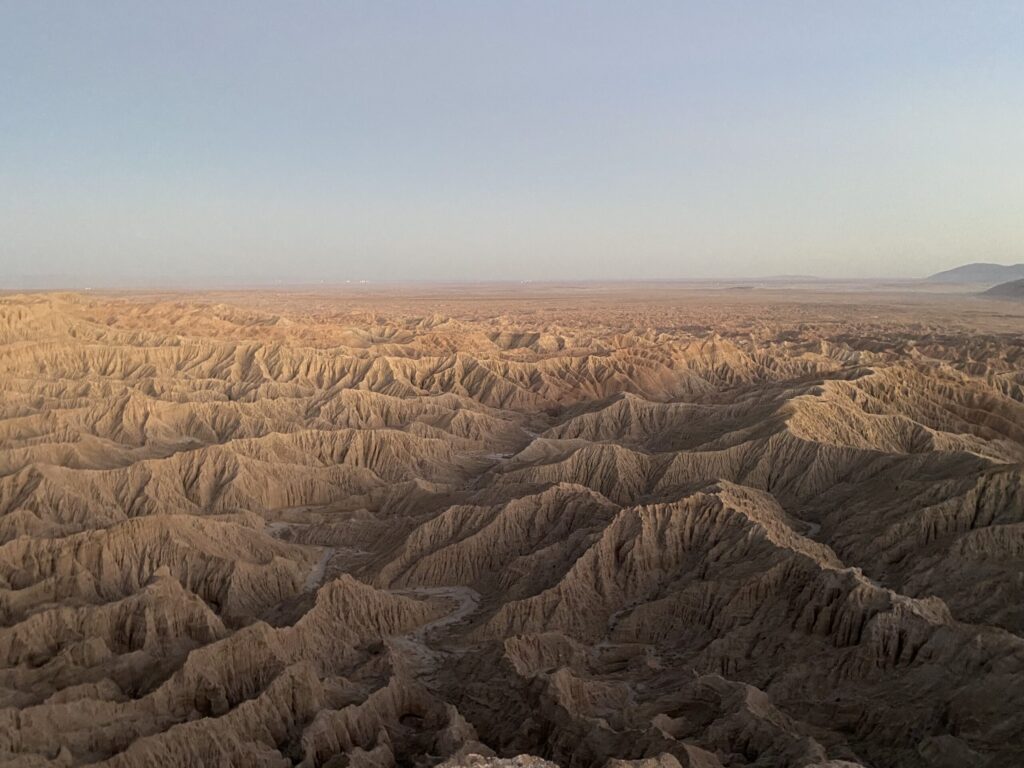
Not far to the south, Anza-Borrego Desert State Park offers a different kind of desert experience—and on a much larger scale. It’s the largest state park in California, covering over 600,000 acres, which makes it bigger than the entire state of Rhode Island. It’s made for adventure with miles of off-roading trails (perfect for his Jeep), easy and rugged hiking routes, ample campsites, and some of the clearest night skies you’ll ever see. As an official Dark Sky community, it has a kind of stillness and stargazing that’s hard to describe. Of all the places we explored, Anza-Borrego remains one of my absolute favorites in the United States.
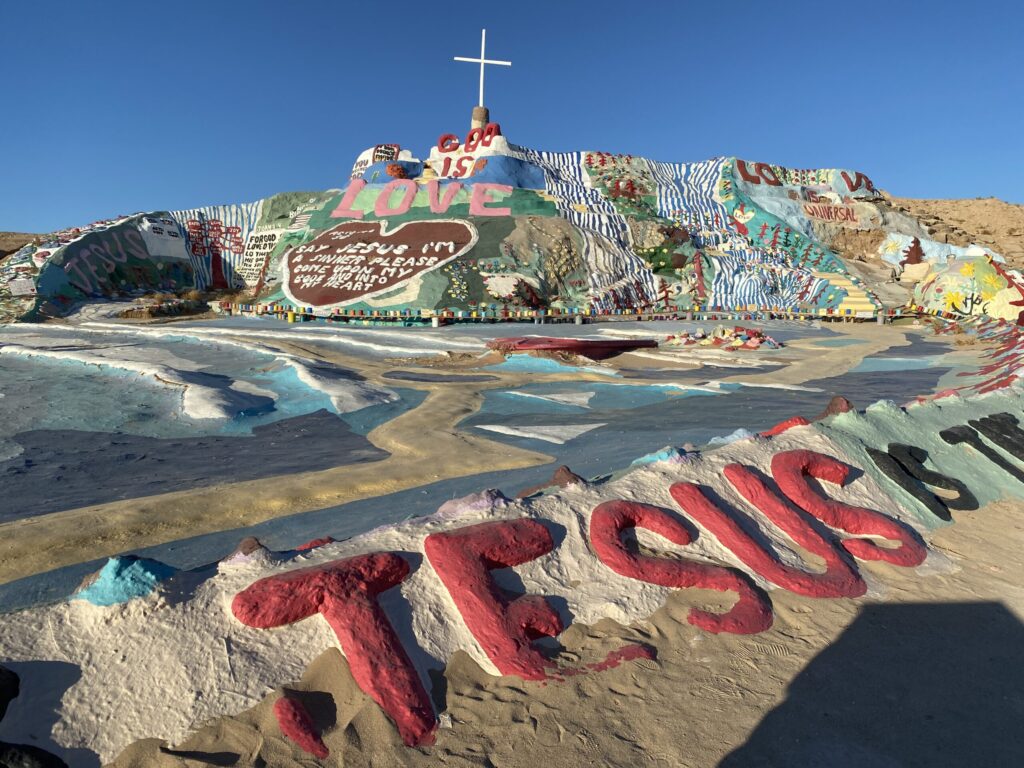
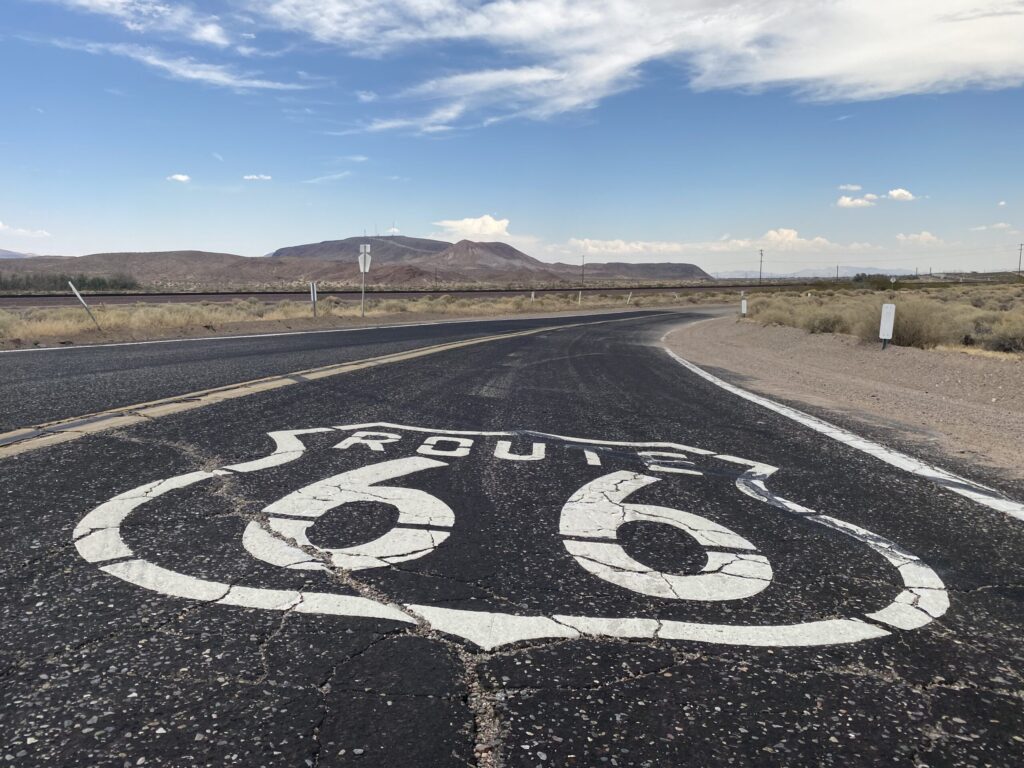
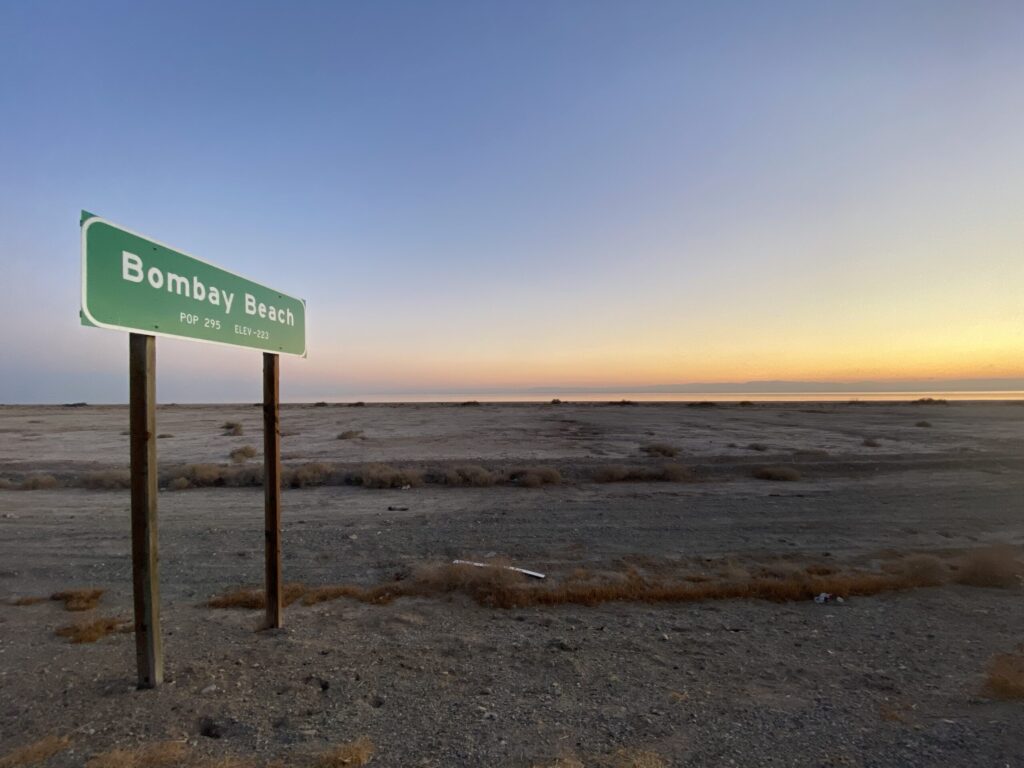
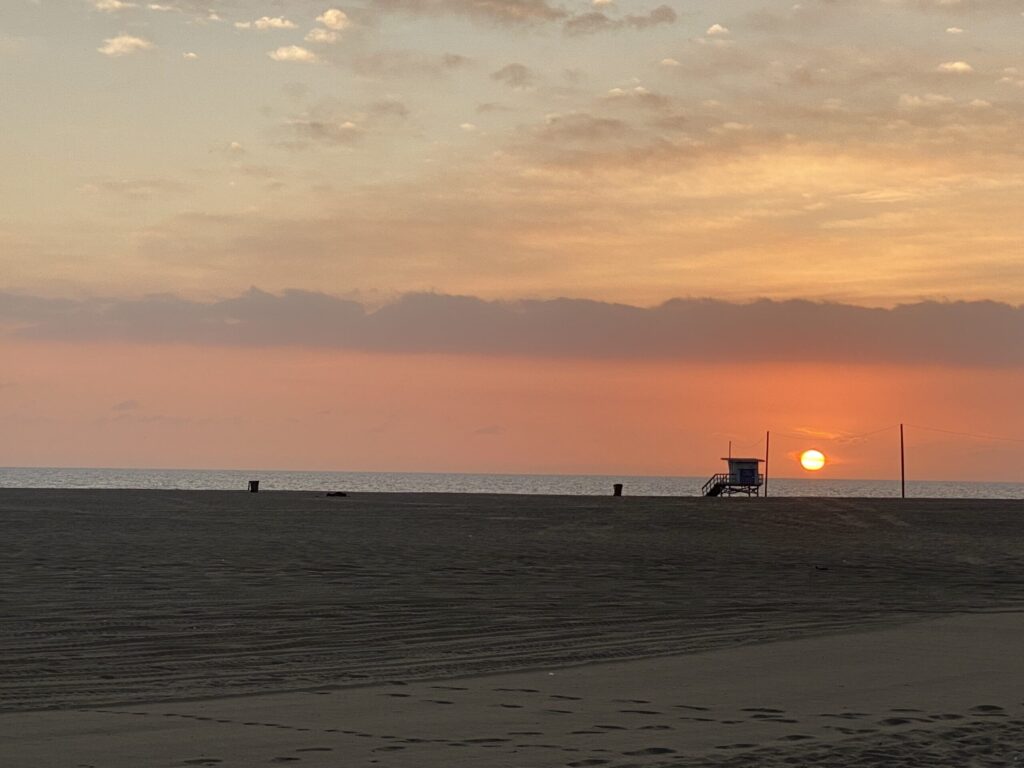
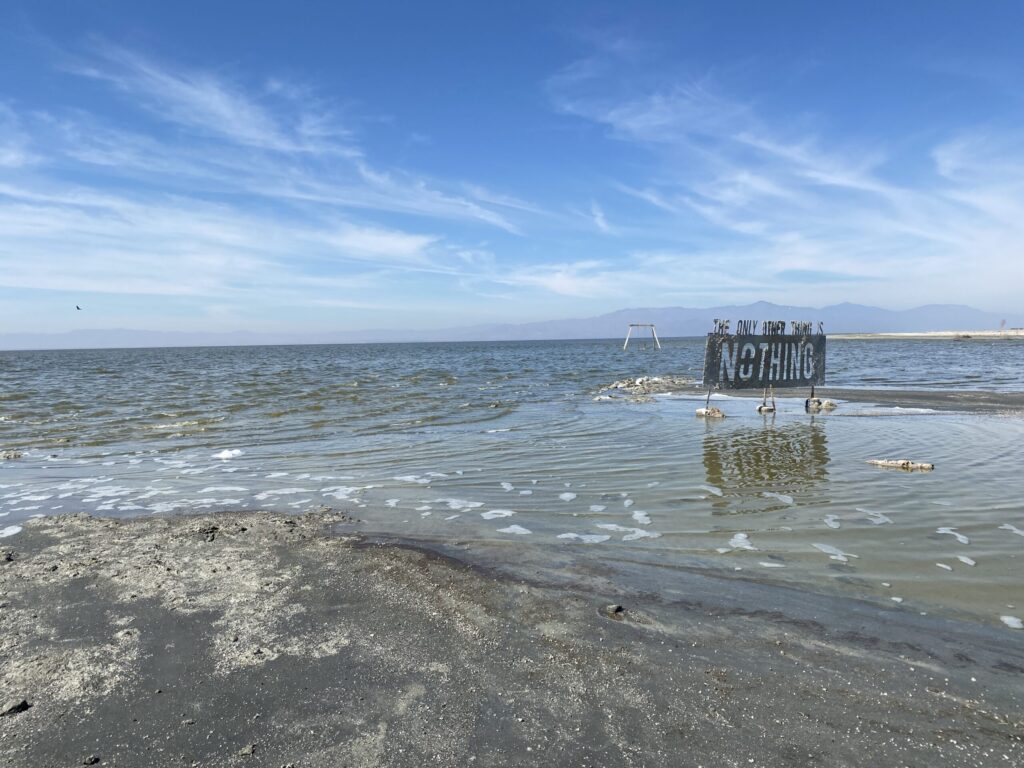
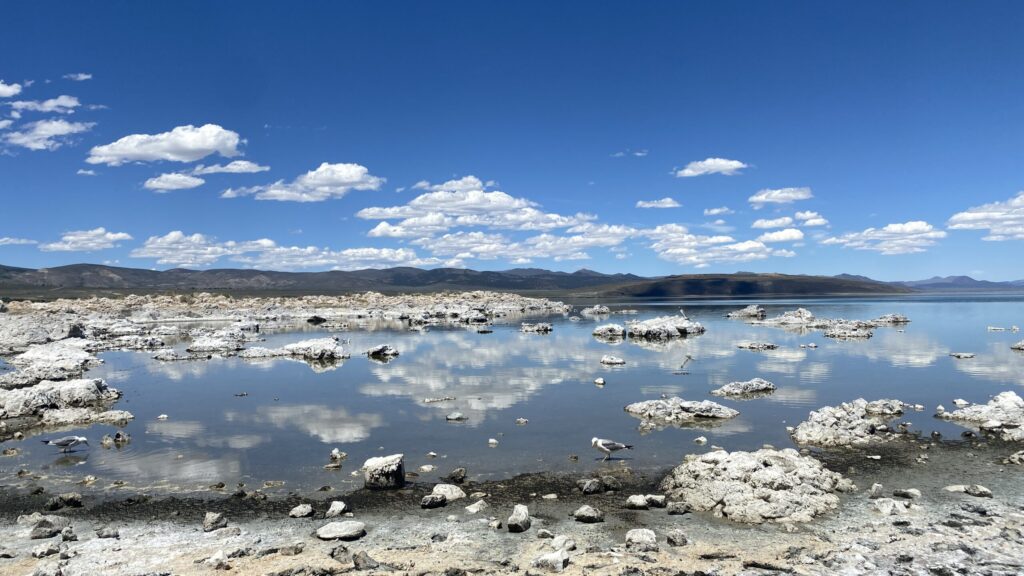
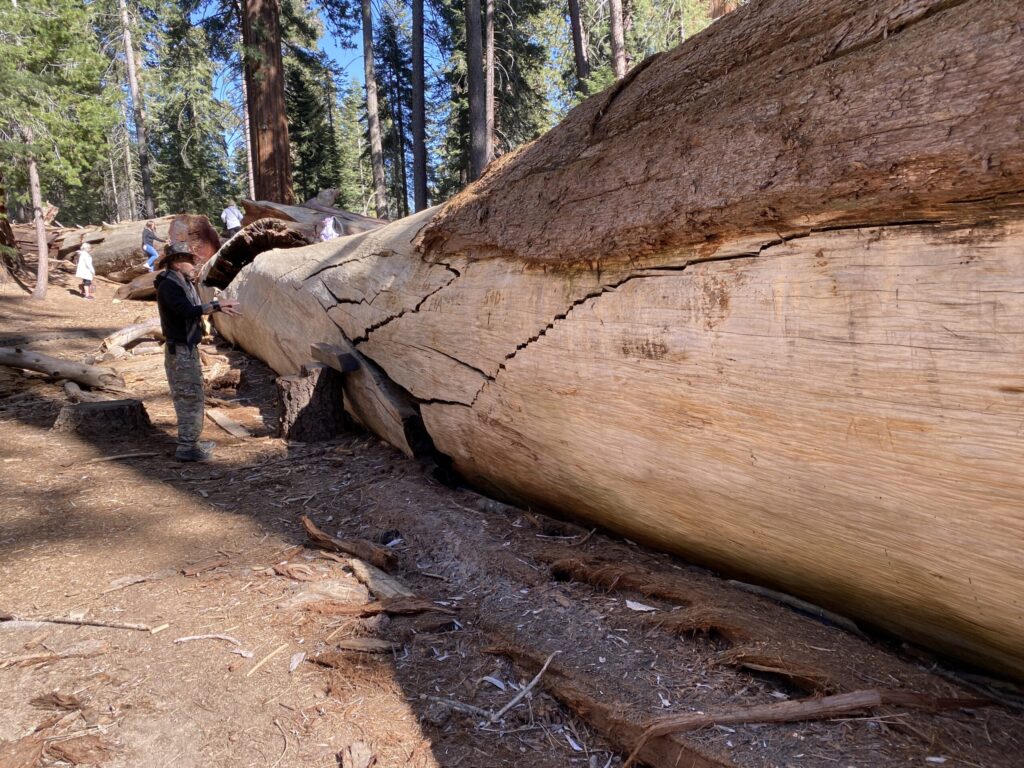
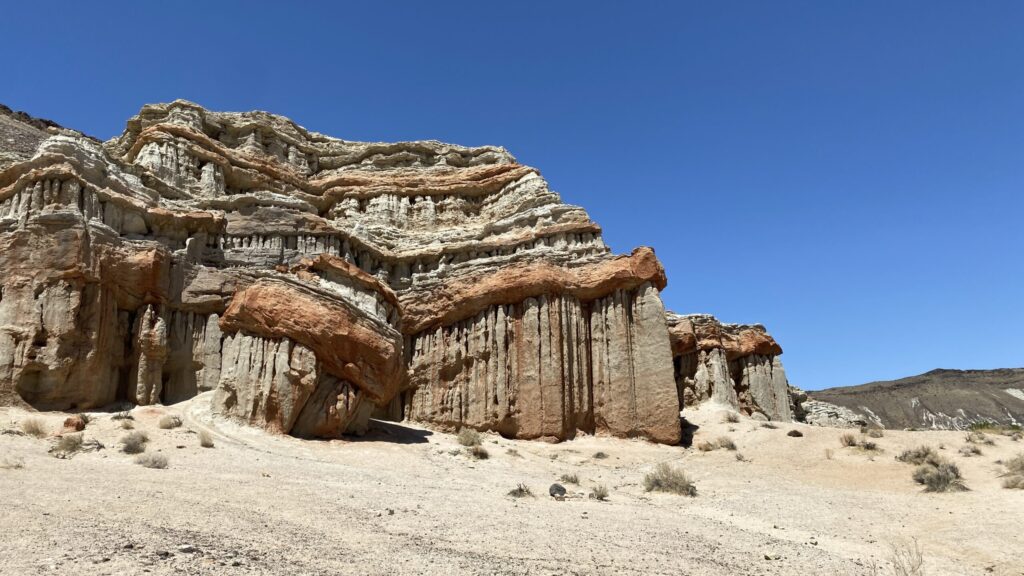
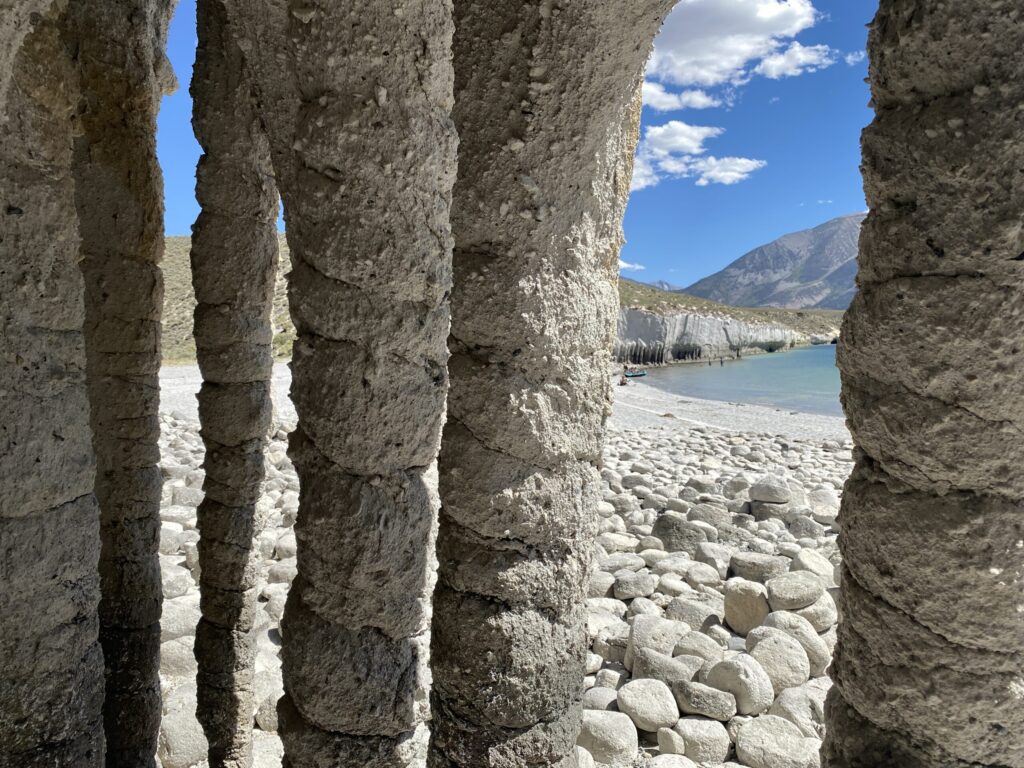
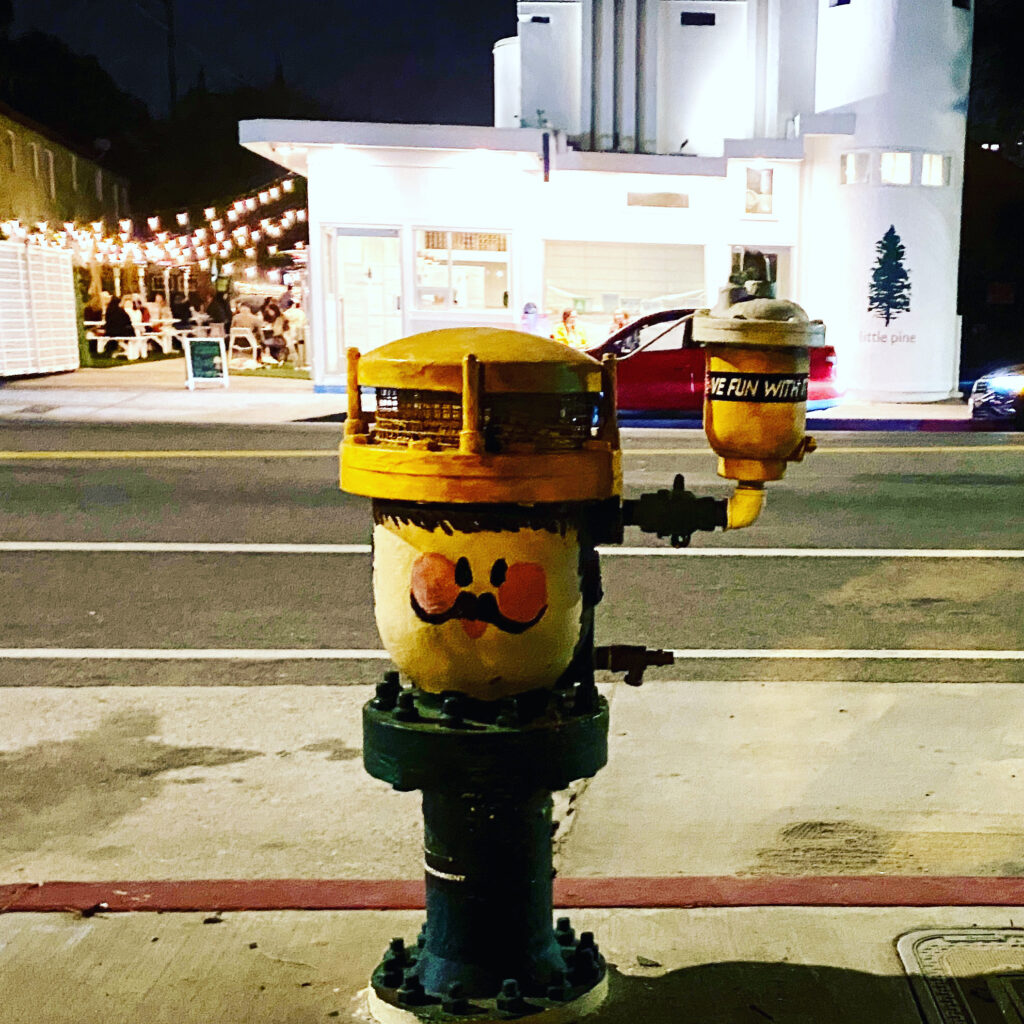
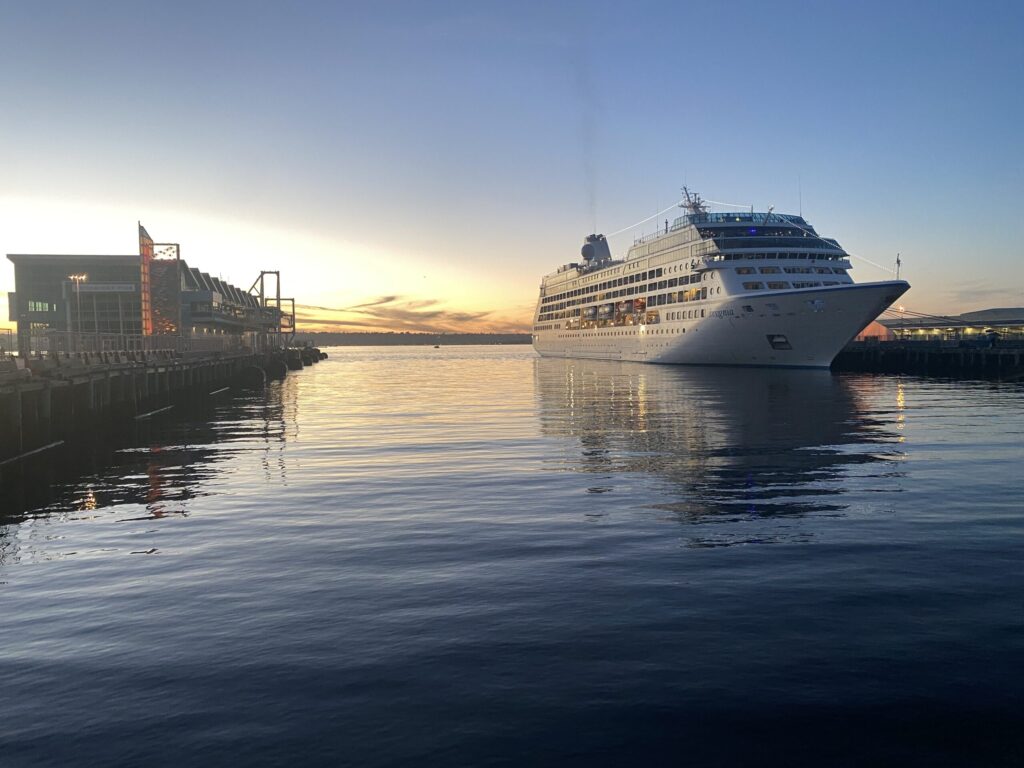
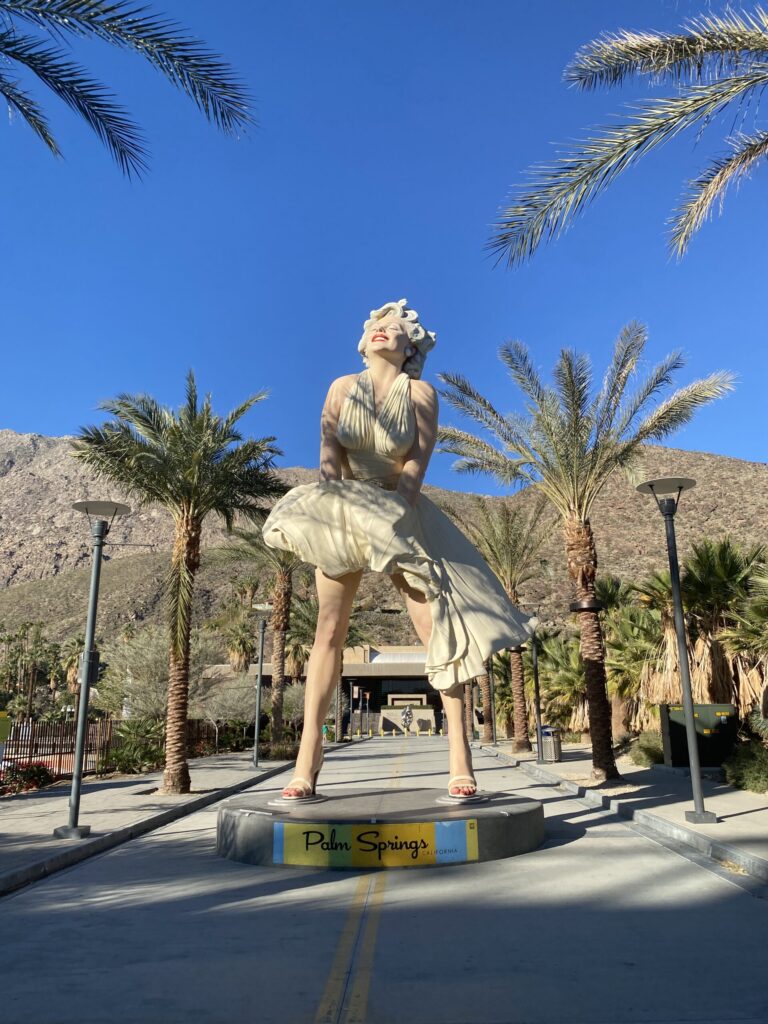
I have a million places that I love in CA that I could tell you about, but here are a few pics of my faves.
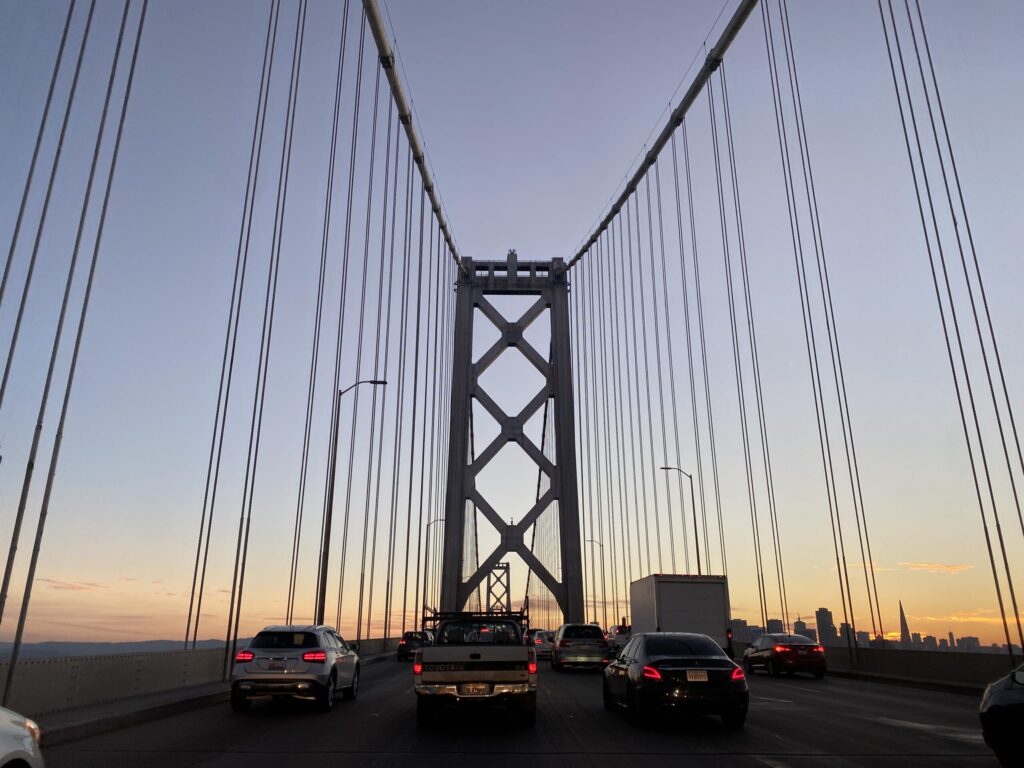
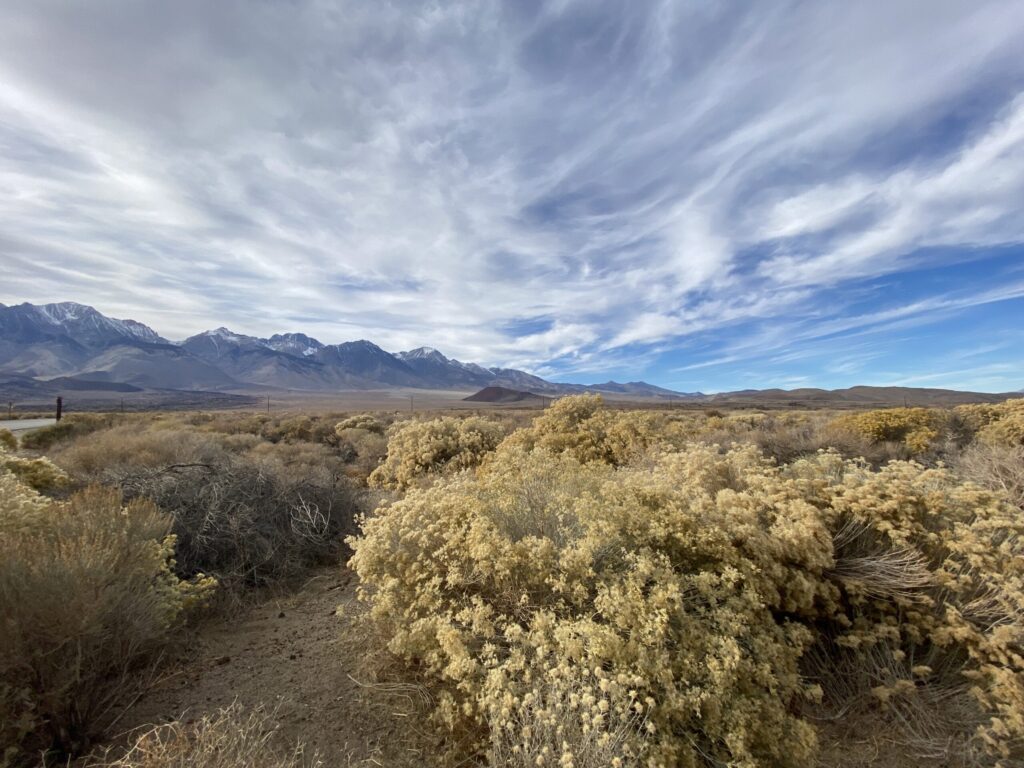
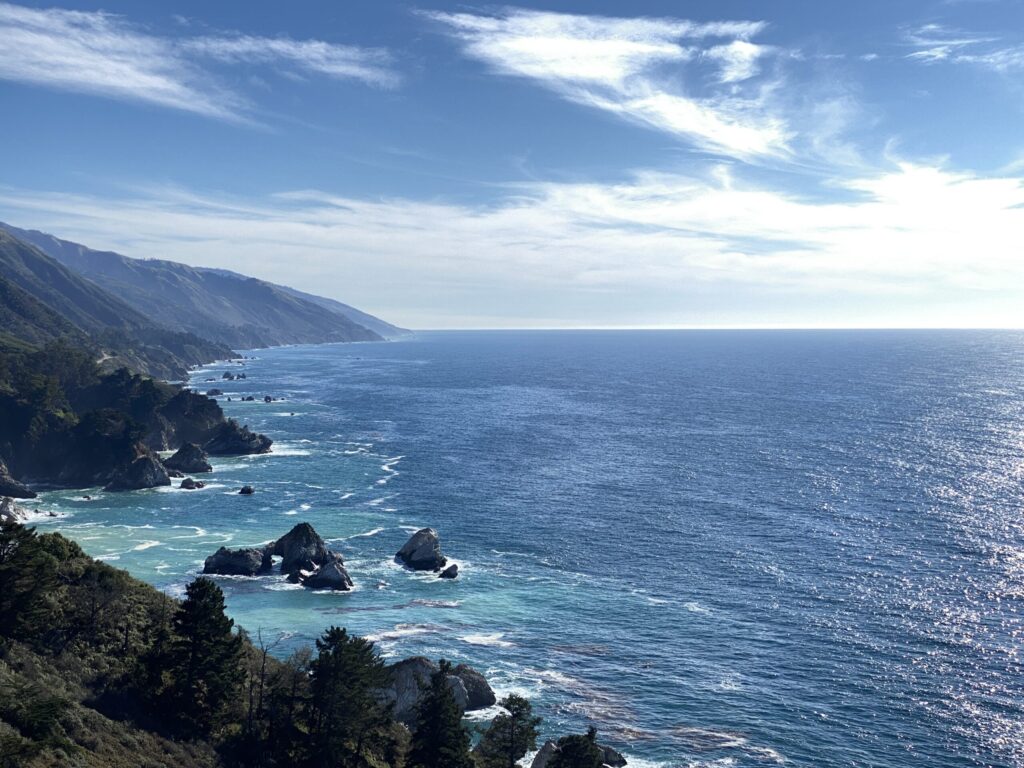
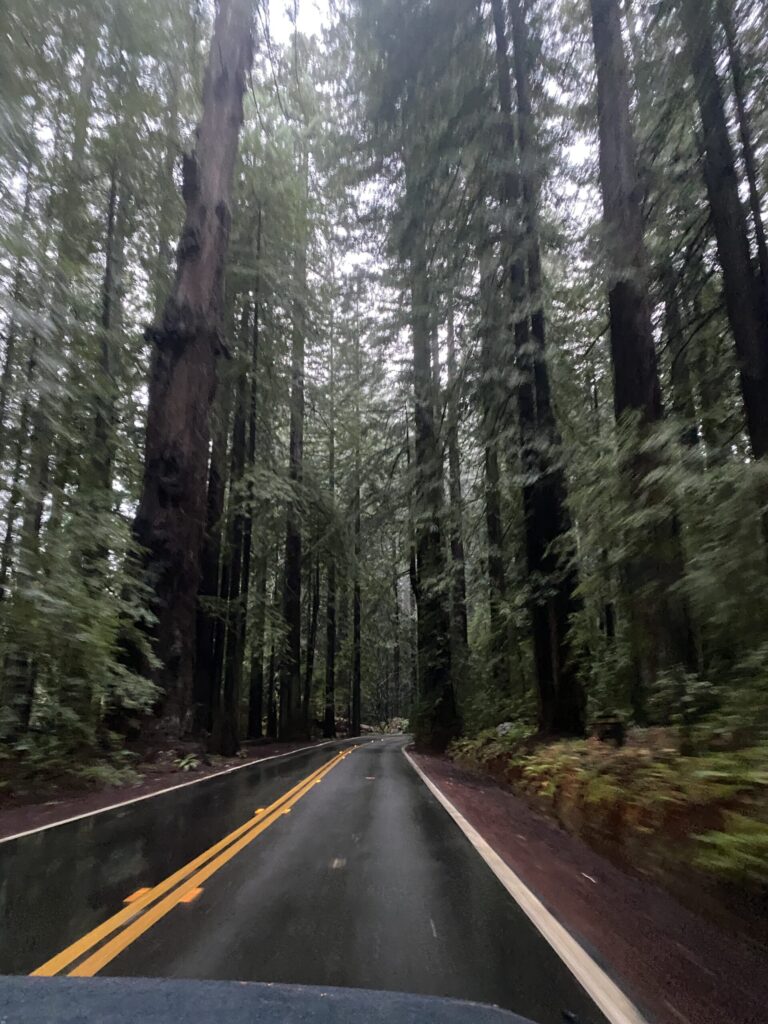
Quilt Block
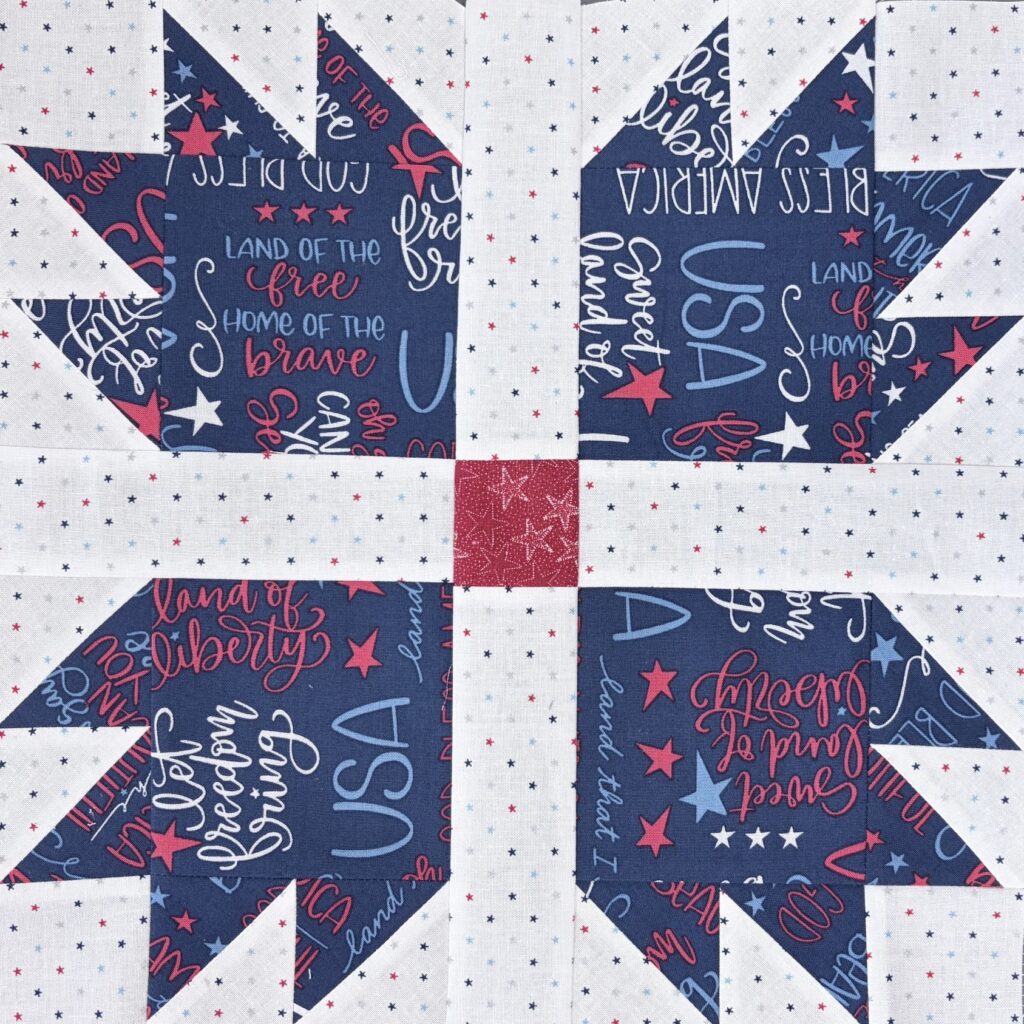
There are so many things that remind me of California, but I wanted to choose something that didn’t make you think of Hollywood, Yosemite or Joshua Tree or anywhere specific. So I chose to the California Grizzly Bear, emblazoned on the state flag, but now extinct.
The California Bear block for the Quarter Millennial Quilt is made like a traditional “bear paw” with half-square triangles and simple shapes, so the real challenge here is making sure the points are accurate. Watch the tutorial for a few tips that helped me get them right. You could make two paws red and two blue or go all red, be creative!
Purchase the QMQ California block.
Quilt Shops
California has dozens of quilt shops worth visiting, but here are a few of my favorite places.
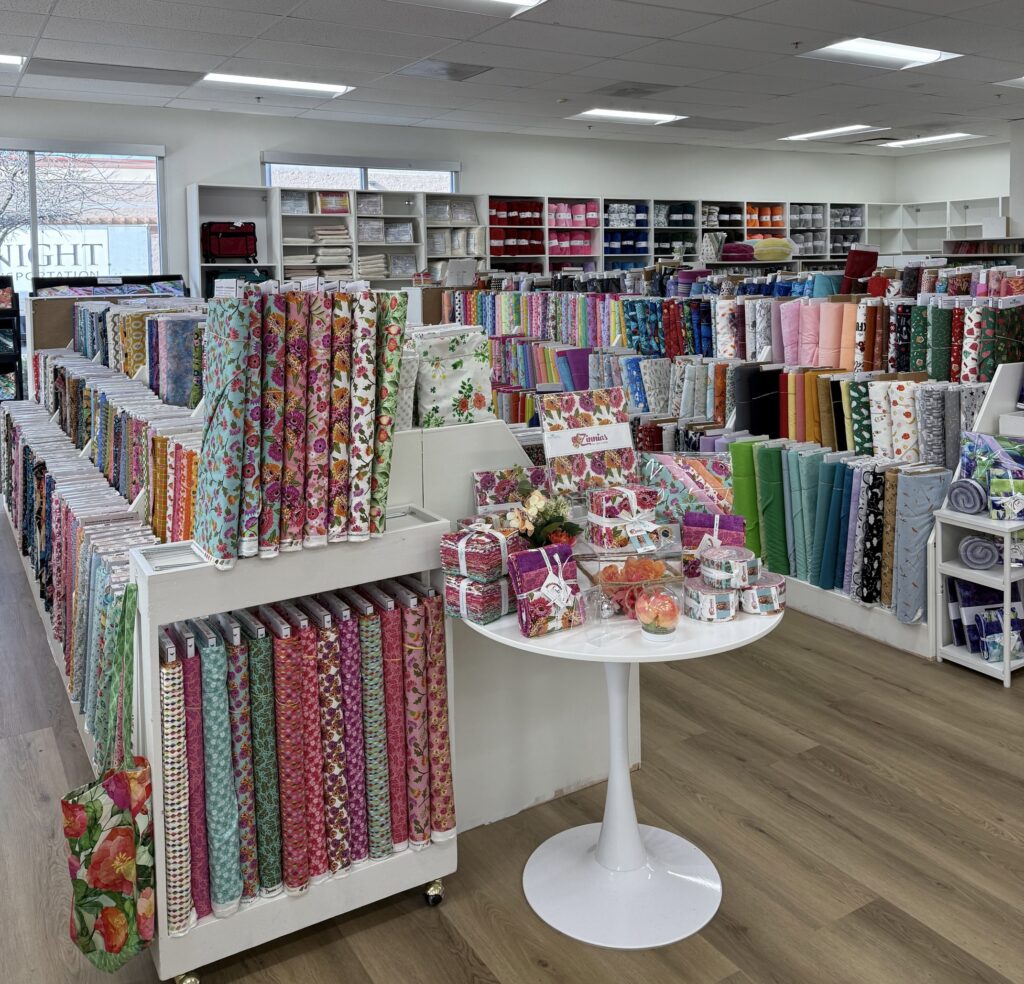
- Cali Quilt Co in Roseville has been a frequent stop for me on my travels and I love to see how the store has grown and developed since the first time I stopped in seven years ago. They were both the first shop and the last stop on our LQS tour, so I have a special place in my heart for Tayva et al.
- Old Town Quilt Shop in Orcutt is a sweet shop with a mother-daughter pair as owners. They are well stocked with lots of patterns and the classes tho teach you how to make the most of them.
- Orange Quilt Bee in Orange is the largest shop in Orange County (and I might like it especially because they have Elemental Coat classes!)
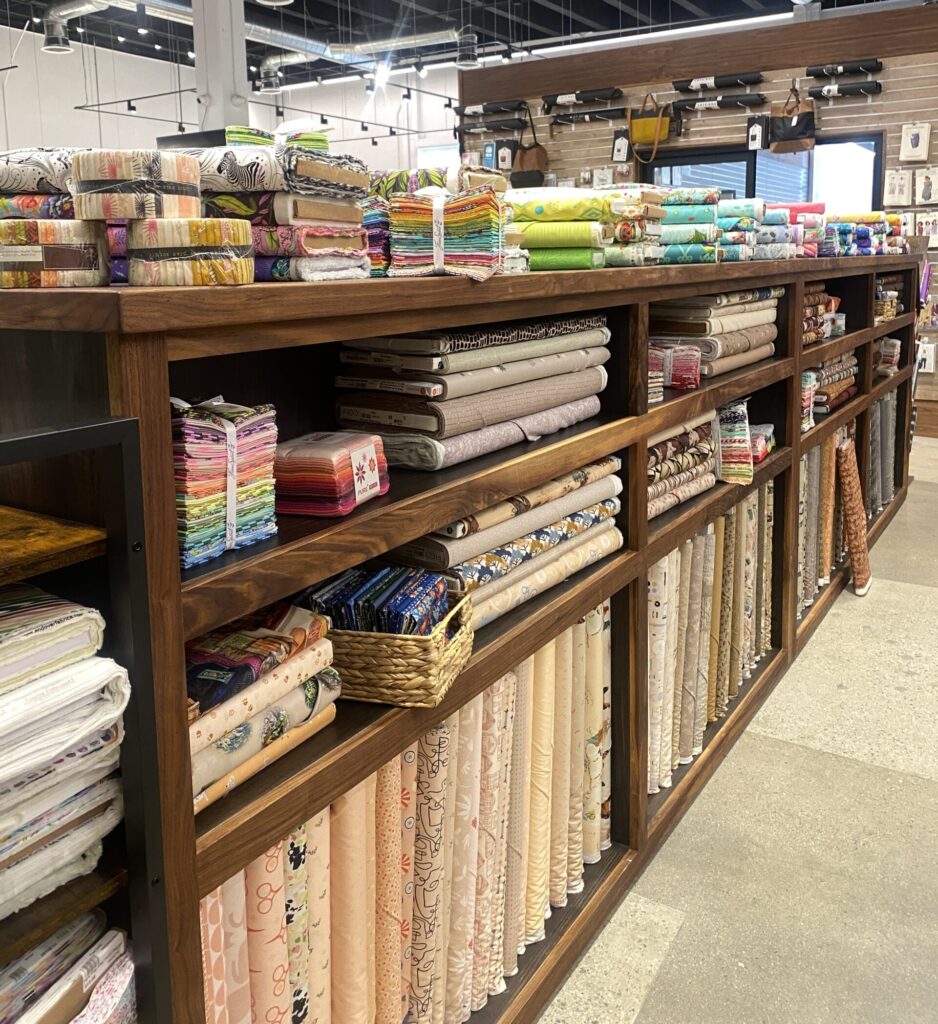
- Picking Daisies in San Luis Obispo is filled with modern quilting fabrics and a delightful array of apparel fabrics, as well. Plus they have a whole part of the shop that sells handmade napkins, which, of course, I bought when I visited.
- Superbuzzy in Ventura is the best place to find Kokka and other Japanese brands of fabric, as well as modern quilting cottons, canvas and wide-backs. Make sure to check out all the books, too!
- Sewing Arts in Los Angeles was the closest to me when I lived in LA and got even better when they moved to their current location. It’s bright, well-lit and a wonderful space for classes, as well as shopping for modern guilting and garment fabrics.
- In Stitches in Davis was where we celebrated Hawke’s birthday once, but it’s also a great place to find machines, tools and the funniest staff to help you out.
You have listed some of my favorite places too! (I’m going to have to check out Anza-Borrego Desert State Park next time I’m down there.) I would also love to see a larger version of that Salton Sea photo, as I have a photo by a local artist taken of the same art at sunset but not in the water. (It wasn’t there when I visited.) Also, next time you are in the Bay Area we have some lovely quilt shops near San Francisco, including Bay Quilts, Cotton Patch and New Pieces. Unfortunately there are no longer any in The City. Would really love for you to do one of your coat classes around here! Thanks for the lovely post about California!
Terri